Unknown's avatar

Yellow, Orange, Red but when White???

Each week Italy assigns a color to each region based on the latest coronavirus data… the colors identify the set of restrictions that will be in place for the week. We felt quite fortunate that Tuscany (our region) was Yellow for five weeks. We used the time to do a bit of exploring in Tuscany, including a morning of birdwatching in a nearby park, a visit to a beautiful Abbey, and a wonderful lunch with friends in a nearby town. But then we moved to Orange – meaning no travel outside of your town (except for essential activities), restaurants closed (except take out and delivery), and all museums closed. The rumors have been flying that we would move to Red this week… and so we asked the question that we’ve asked before “What do we need to do before we turn Red?” BUT… we stayed Orange for at least another week. Whewwww! We have a new Government in place (sorta like a new Administration for the US Federal Government) so I’m expecting some of the baseline rules to change in the next few weeks. And dreaming of becoming a White zone.

Vaccines are now being given throughout Italy and Tuscany is doing a great job of getting them into people’s arms. The Government has published a multi-phase approach to distributing the vaccine and we are in the second phase. It will start when the first phase is done – and they are not yet predicting when that will be. So we wait… Execution of the plan has been slower than expected due to delays in the distribution of the vaccine.

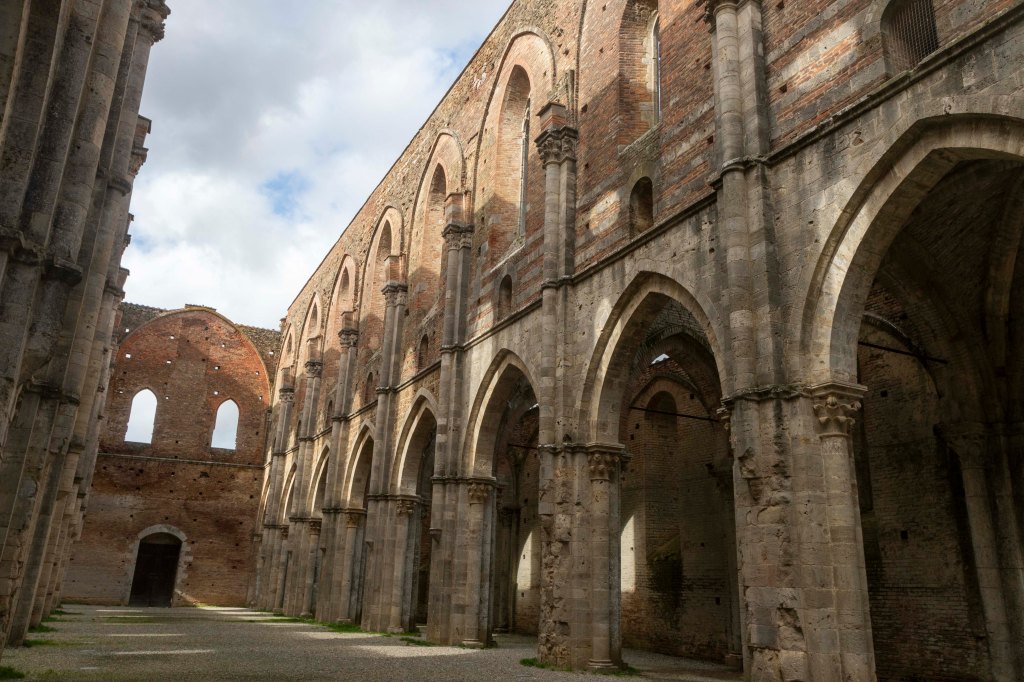
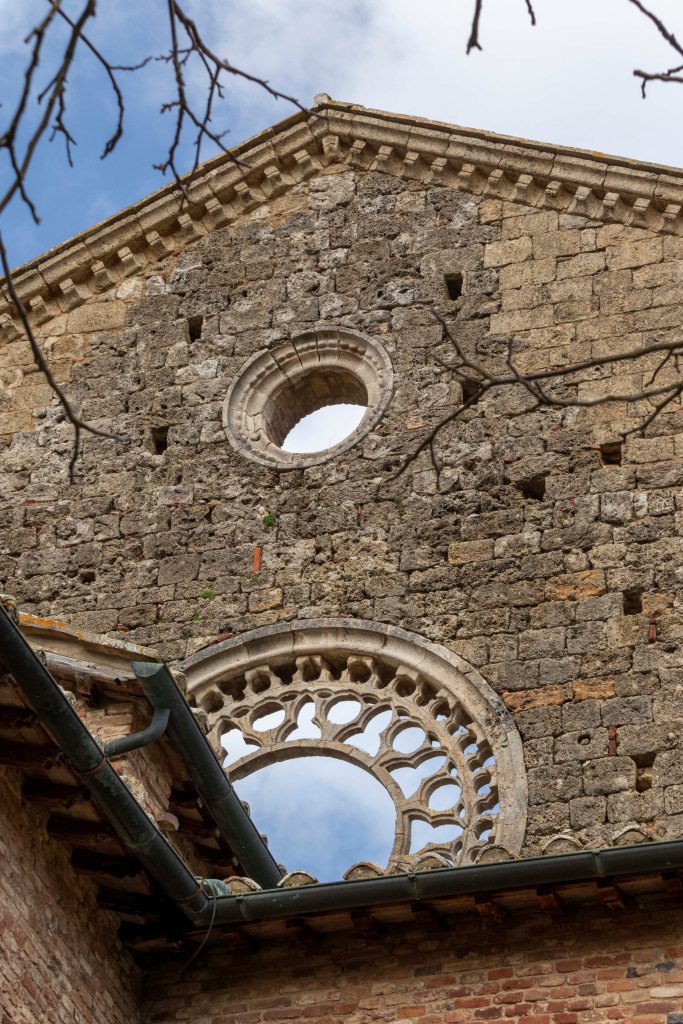
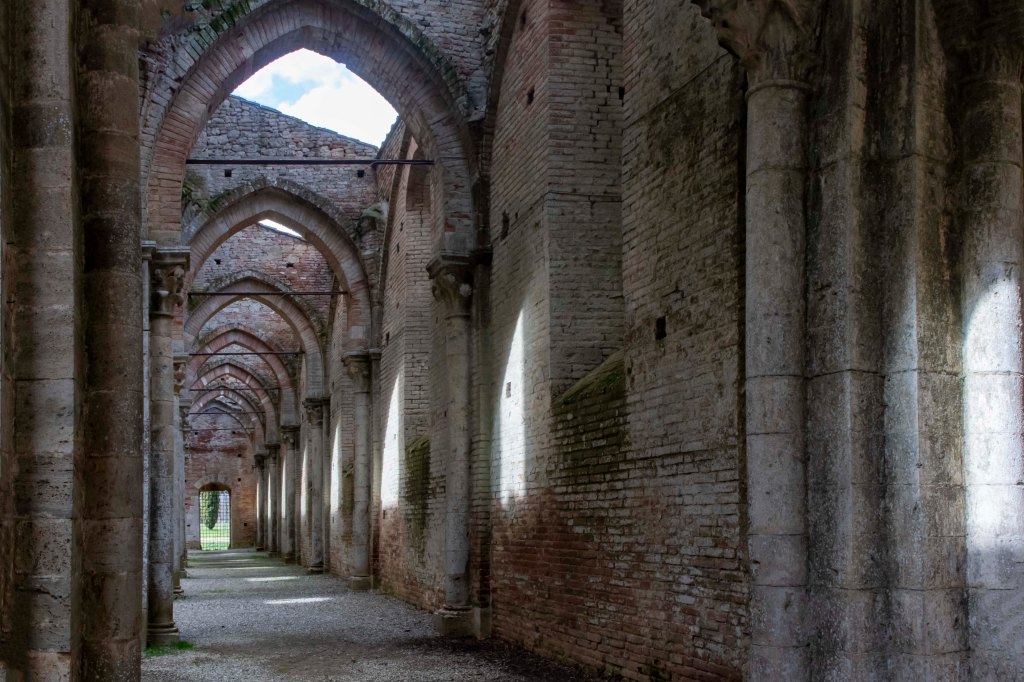
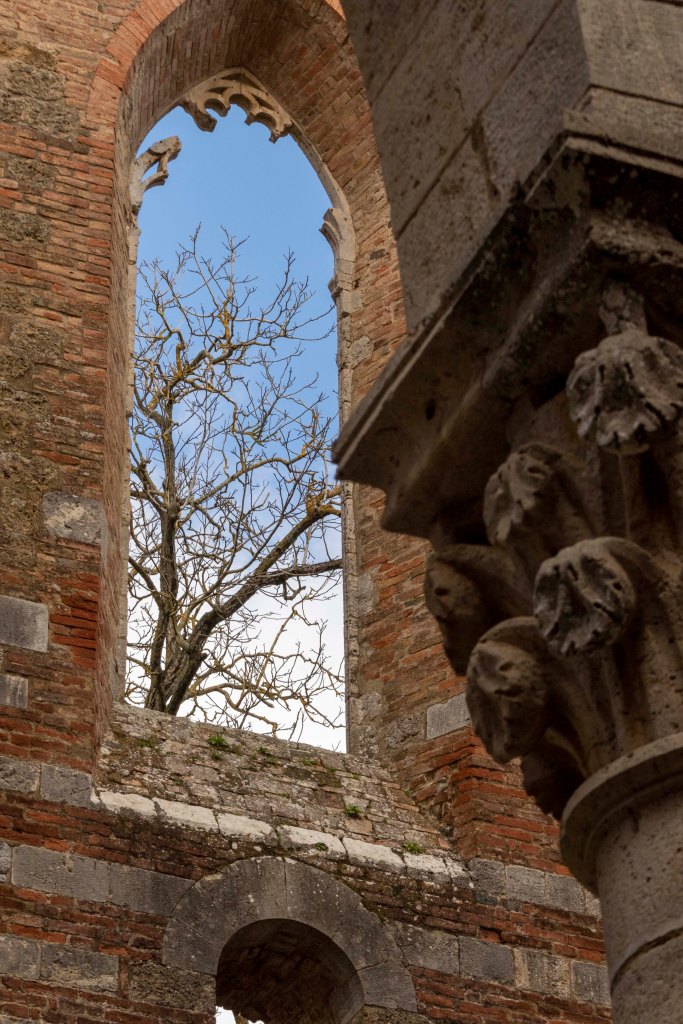
Abbey of San Galgano

I have been looking forward to visiting this Abbey for several years. Before moving to Italy, I joined a Facebook group called Paradiso…Toscana that is primarily used for posting beautiful pictures of Tuscany. I kept spotting this Abbey and dreaming of visiting it one day and taking pictures of the wonderful architecture of the ruins of this Abbey. It is about a two hour drive from our home… we zipped down the coast then through very twisty roads to find the Abbey in the countryside.

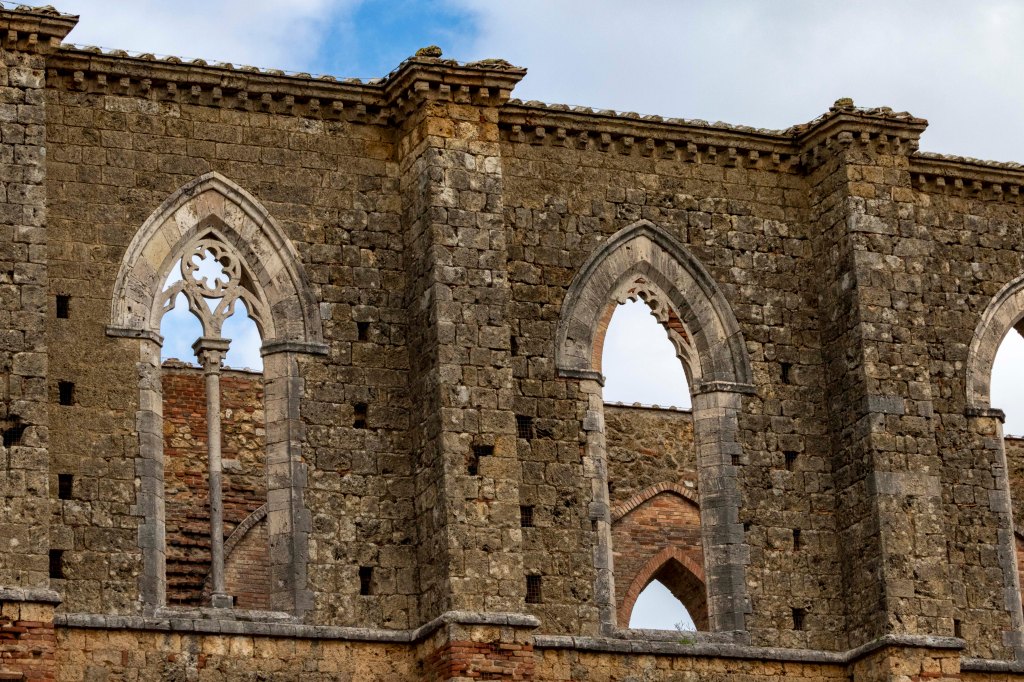
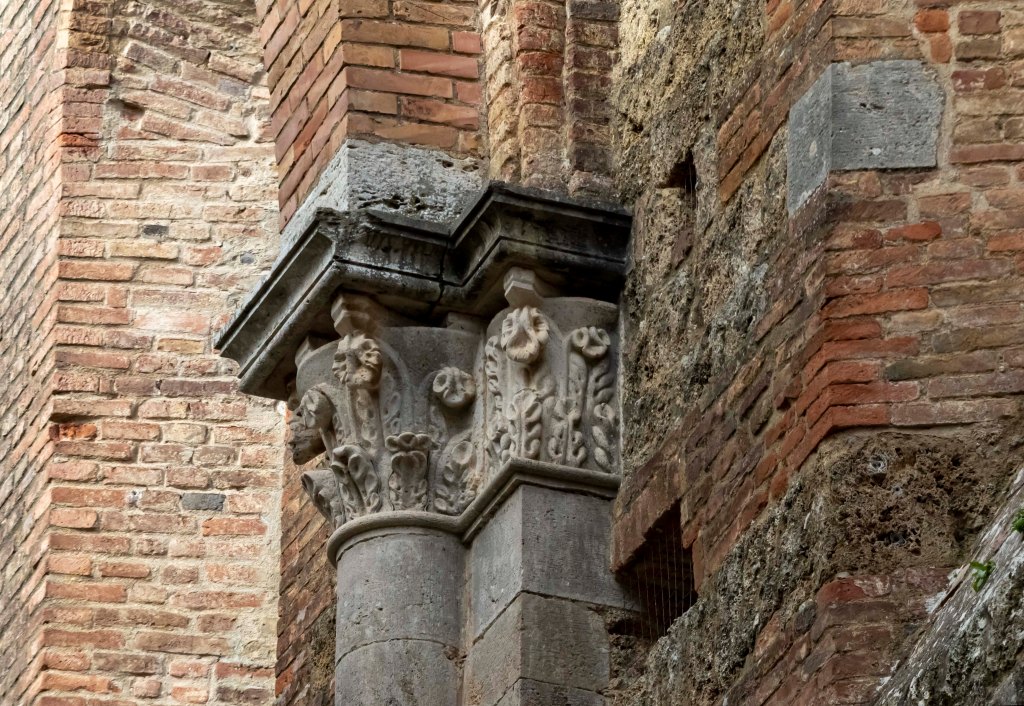
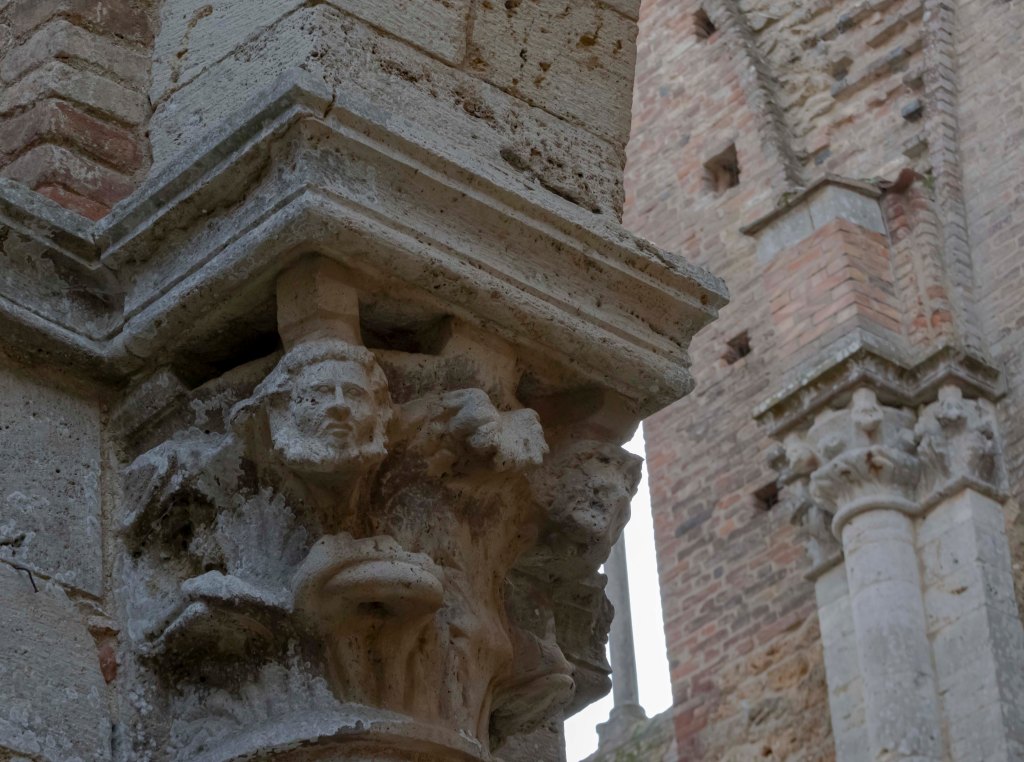
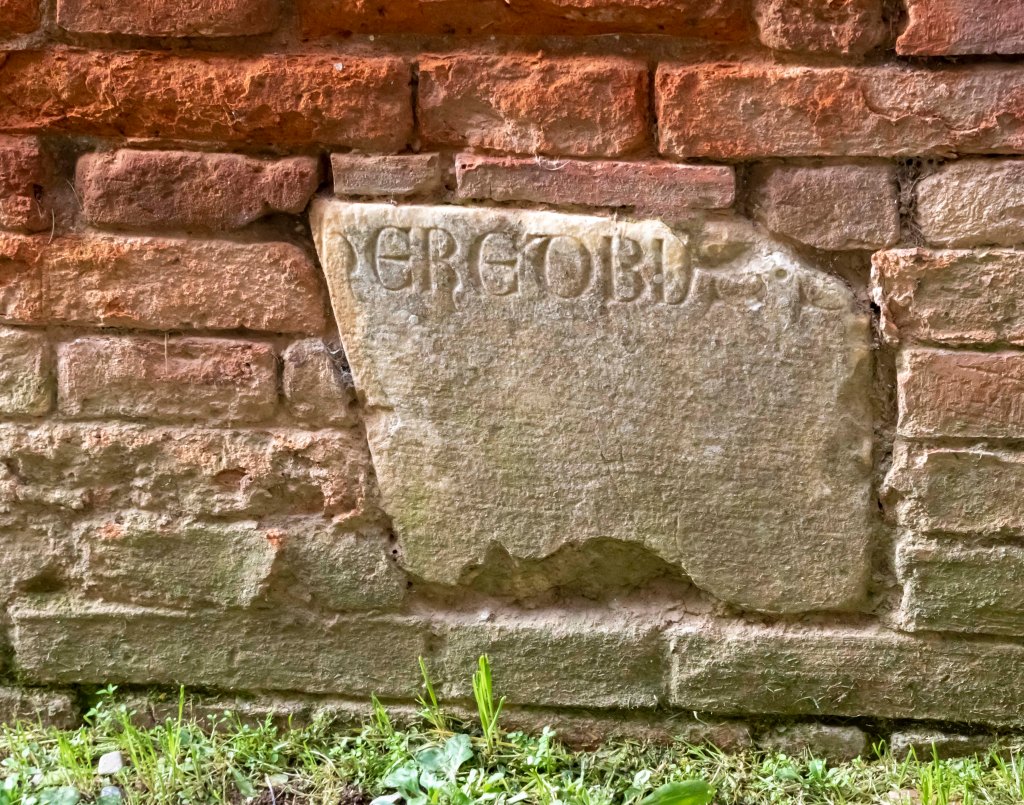
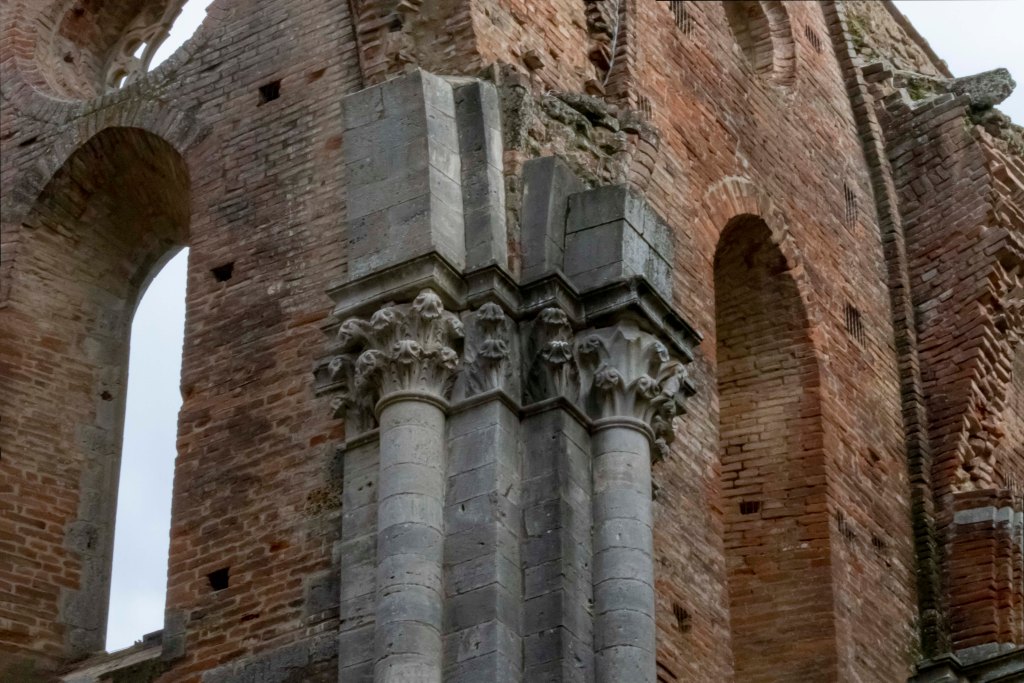
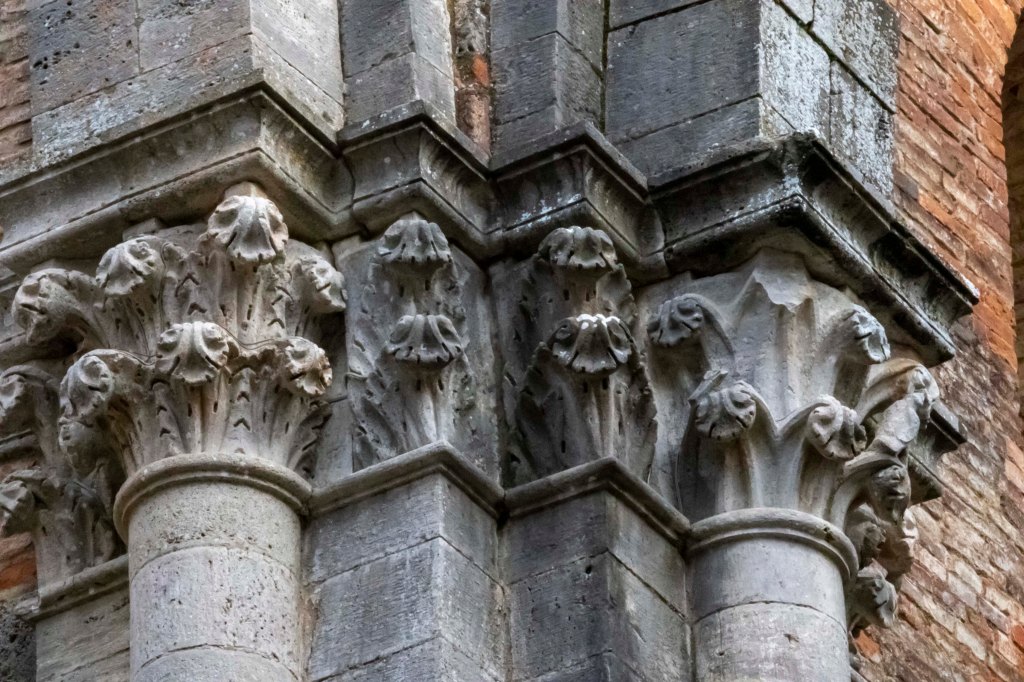
We visited this Abbey with Brian and Victoria Rice, American friends who have been living in Lucca for a few years. They have learned to expect a bit of a history lesson during the drive to each destination… This Abbey was built during the 13th century. Saint Galgano lived and worshiped in a nearby hermitage, so when the Abbey was built it was named after him. In the 1500s some people removed and sold the valuable lead roof. Hence we have a beautiful and unusual ruin today! Brian took a very cool video that gives you the sense of the building without its roof. I particularly like the carvings that were scattered across the ruin. The head is thought to be a likeness of the last architect in charge of building the Abbey.
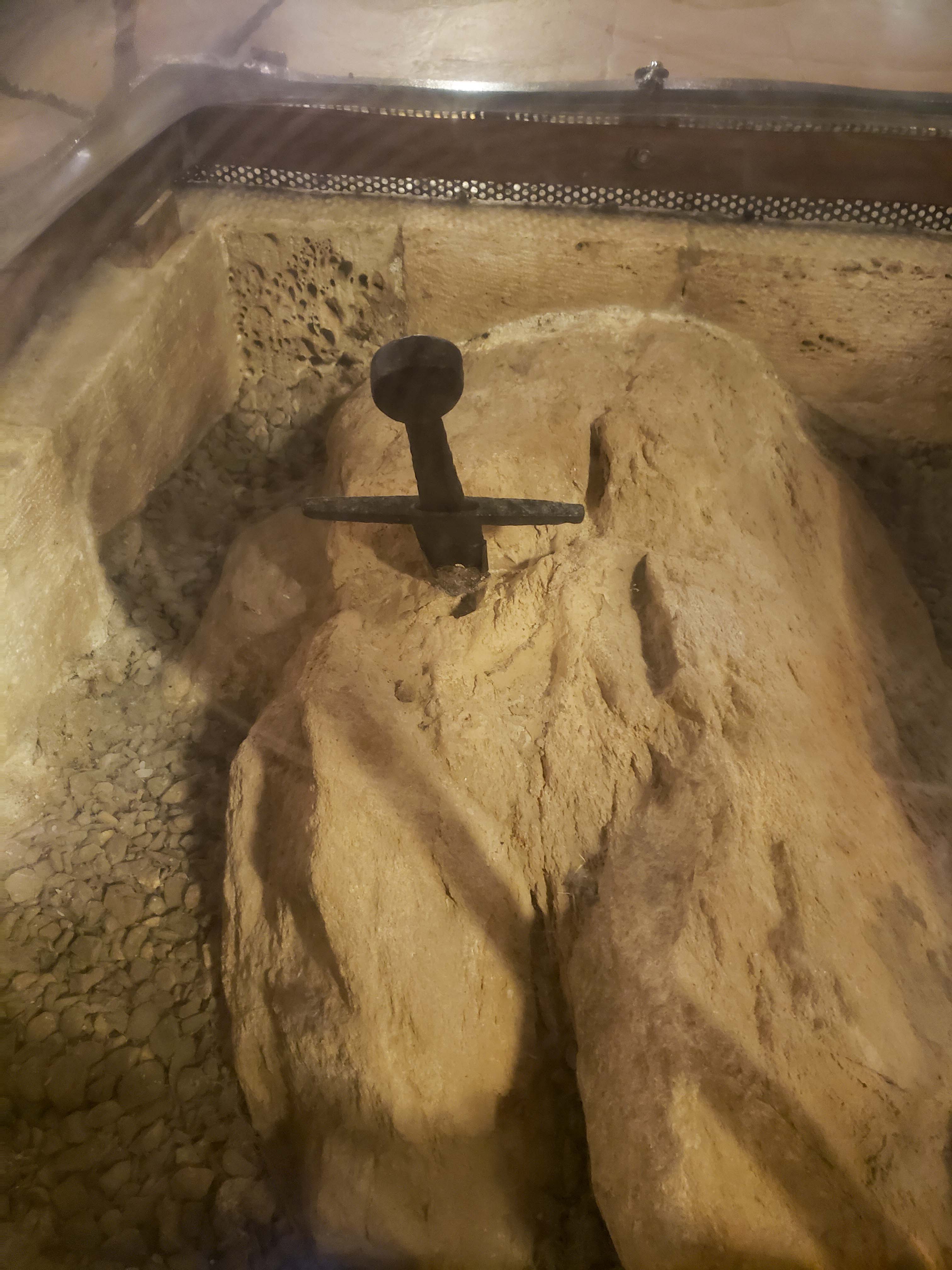
Above the Abbey is the Hermitage of Monte Siepi. At the center of the round chapel is the stone where San Galgano stuck his sword as a sign of having definitively left his weapons to start a new life faithful. Archaeologists have confirmed that the sword is of the style and material used during his lifetime. Scientists can’t say the age of the metal for sure, but there are no indications that the metal is not from that time period AND they have confirmed with ground penetrating RADAR that the handle and blade are intact. Yep! Another Sword in the Stone!
Monteriggioni and some wonderful pasta!

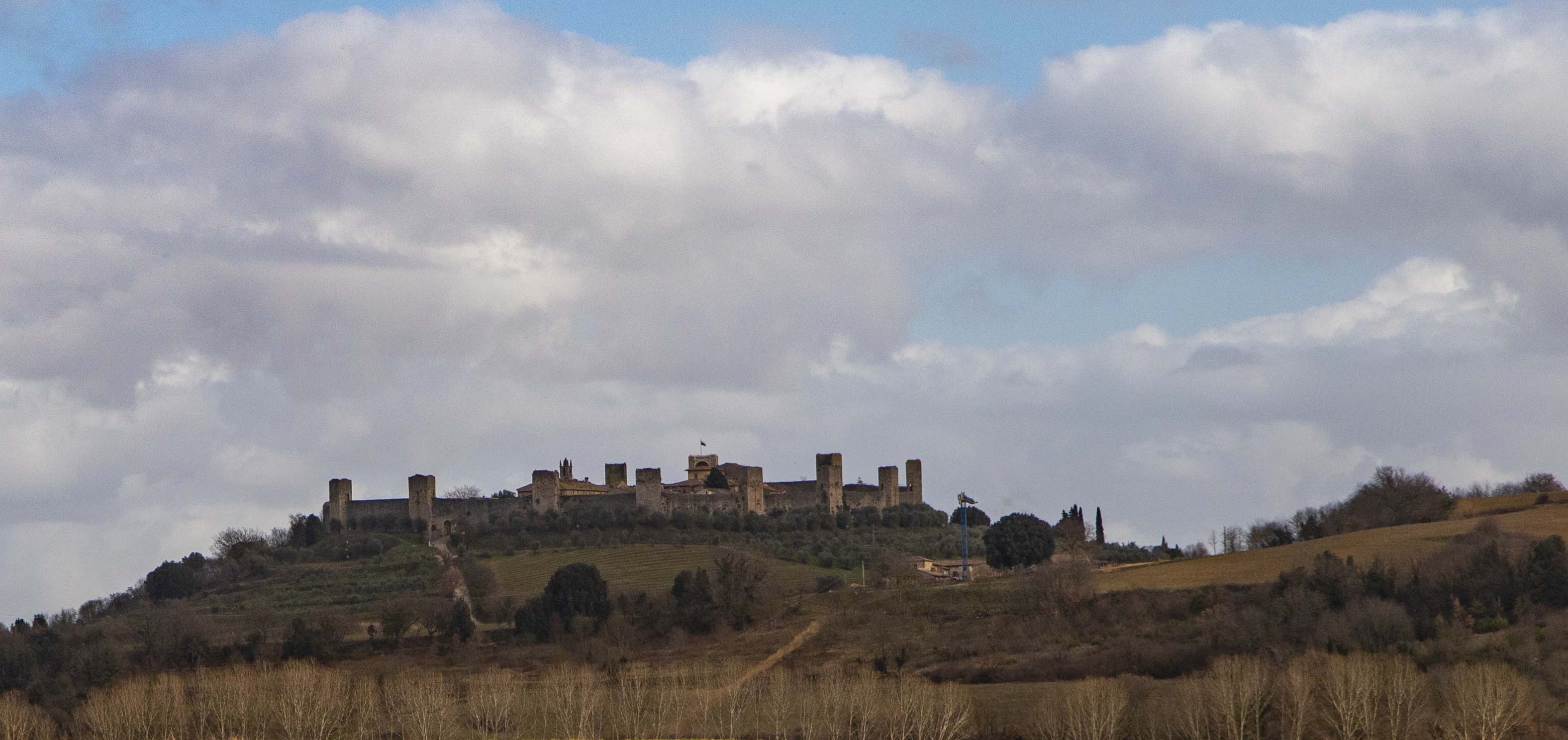
After our visit to the Abbey and Hermitage we headed to Monteriggioni, a VERY small walled town nearby, known for its medieval fortifications and watchtowers. The walls are quite impressive when approaching the town. You can usually walk along the wall’s perimeter on an elevated walkway. And from there, you can enjoy the beauty of the Chianti countryside. The walkway was closed during our visit, so we will need to return in the future!
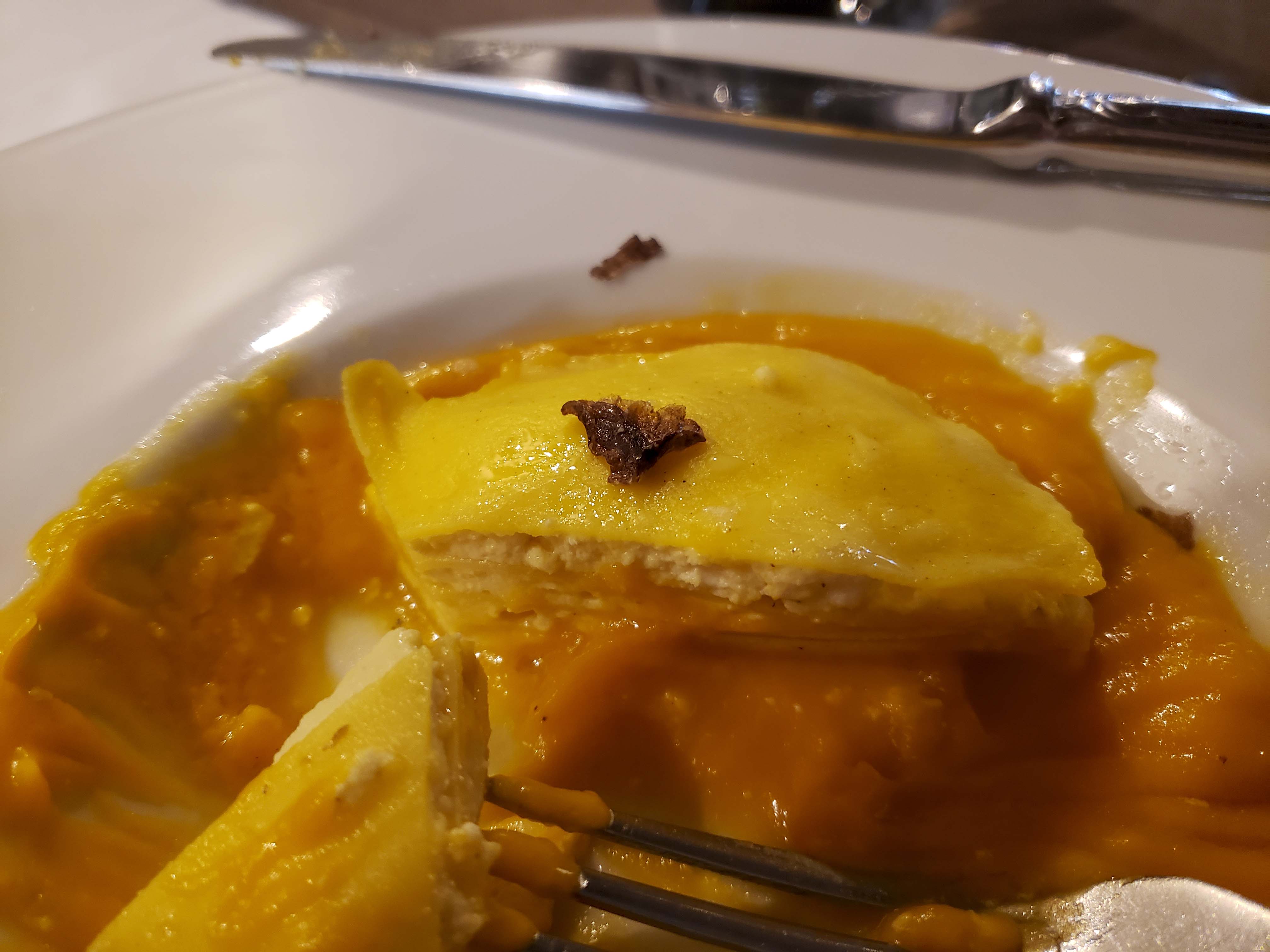
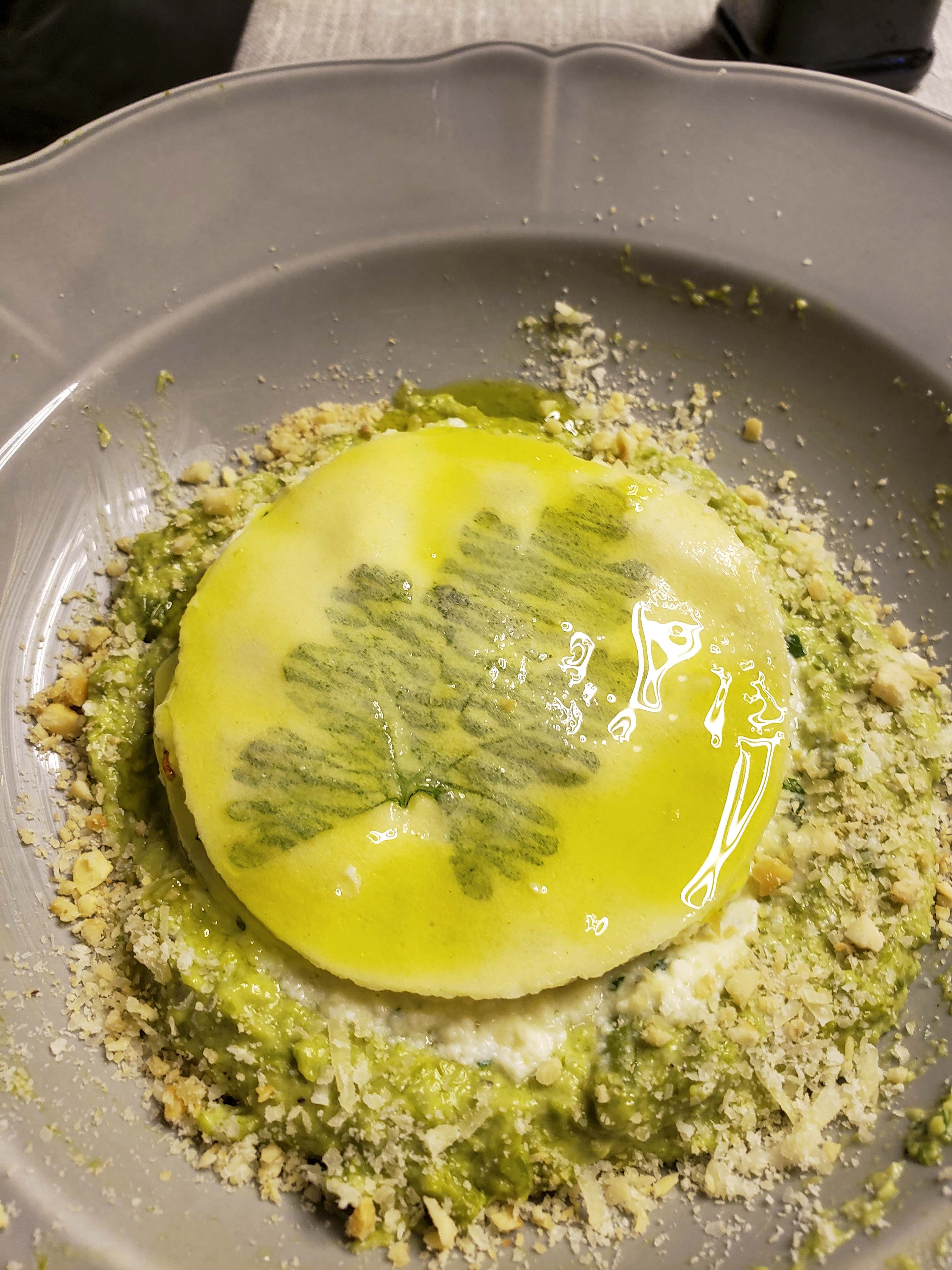
We ate lunch in one of the wonderful restaurants in town and I had a most unique pasta dishes. It was called “Aperto Raviolo” which can be translated to “open raviolo” – not sealed like normal and only a single raviolo (plural is the more familiar name of ravioli). It was stacked up similar to a lasagne with ricotta filling between the pasta layers and served on pumpkin sauce. Game on! I wanted to make this at home. That day I started my Internet searches and found several similar dishes that gave me further inspiration. So I made a stacked raviolo with ricotta filling and embedded a parsley leaf INTO the pasta; I served it on top of asparagus sauce with crushed hazelnuts and parmigiano reggiano. Time consuming (like 3 hours!) to make but surely a lot of fun!
Anniversaries

Tomorrow is the one year anniversary of Jim’s retirement. March 9 is the one year anniversary of our arrival in Italy. Not what we expected, but still no regrets.

Unknown's avatar

The Siena Duomo and Learning Italian

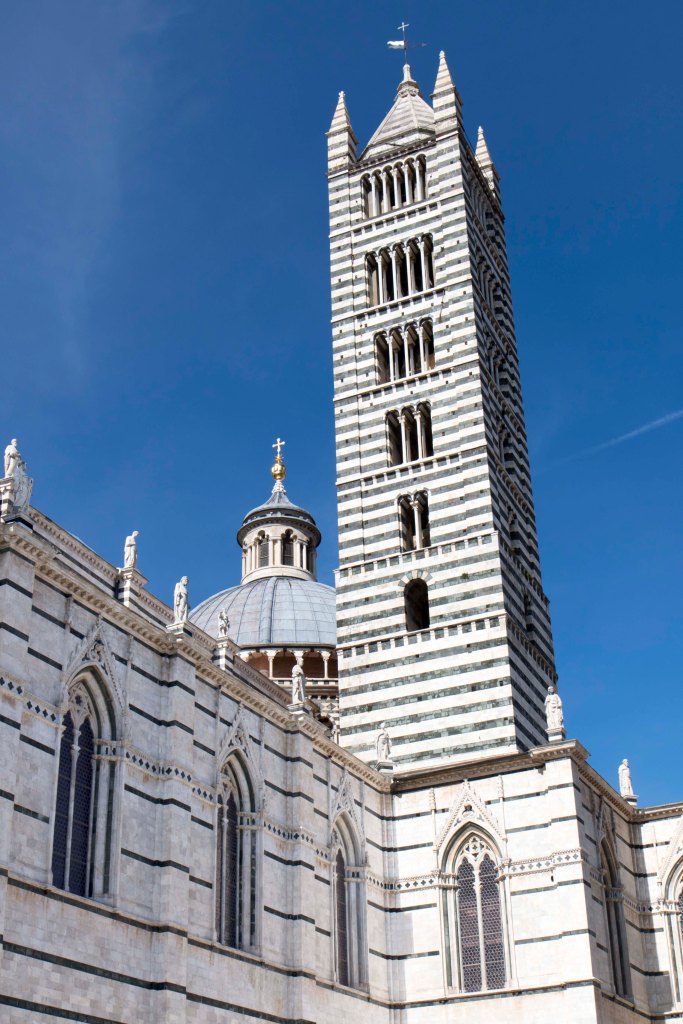
The Beauty of Italy… the Siena Duomo

We took a day trip to Siena a few weeks ago with Brian and Victoria, an American couple that lives in Lucca. All of us had been there before, but Siena is such a lovely town we all wanted to return! There were some tourists in town, but not nearly as crowded as our earlier trips. My favorite church in all of Italy is the Siena Duomo (Cathedral) so I’ve included pictures from this trip and earlier ones. Here are a few pics of the exterior taken in pre-COVID 19 days:

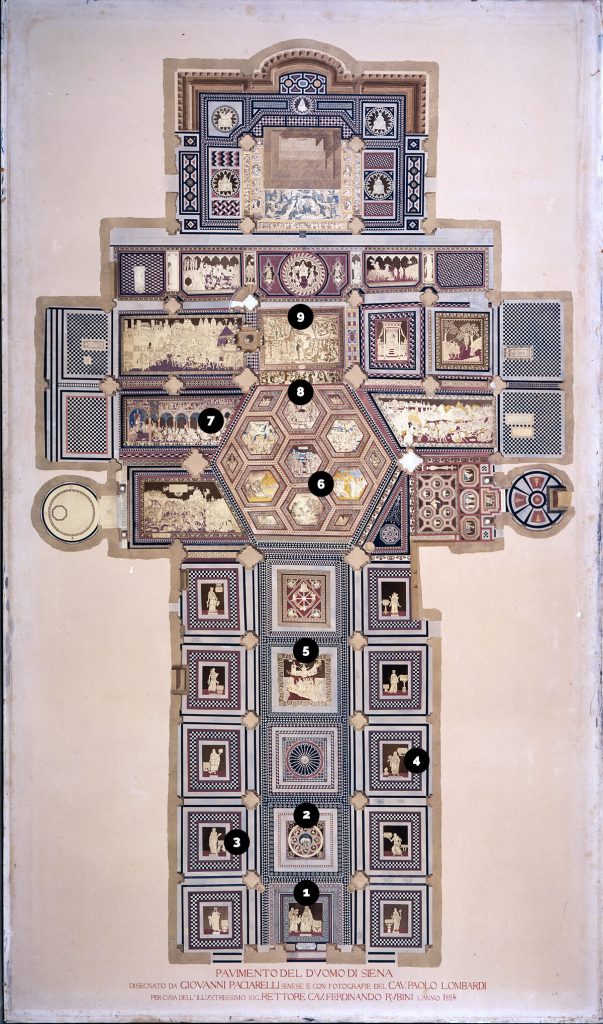
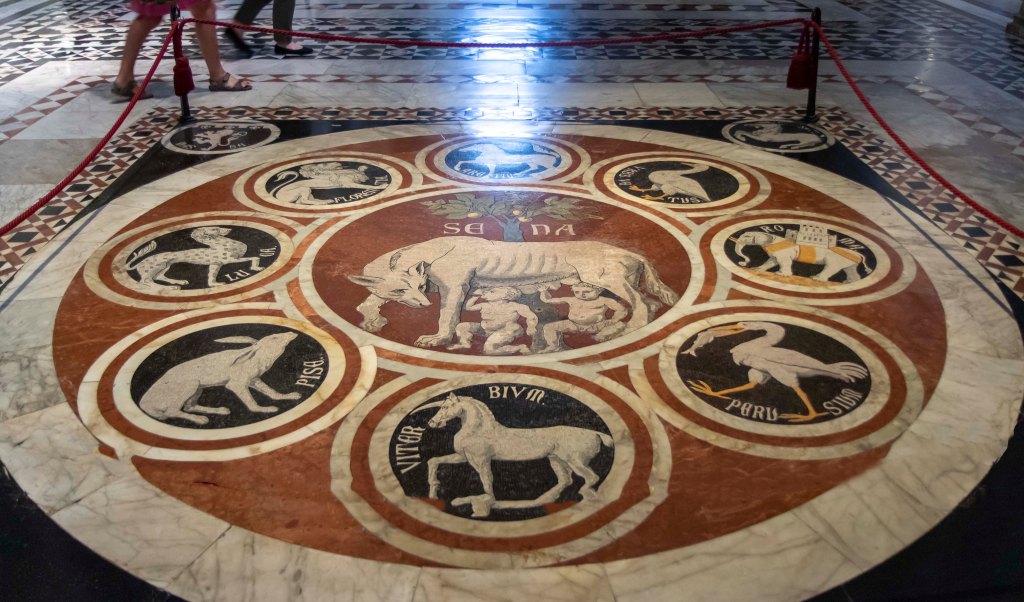
It’s sounds rather odd, but one of the most striking elements of the Duomo is the floors. The floors consists of 56 individual panels, fit together like a jigsaw puzzle. This picture shows how the original designers planned out this masterpiece:

I took pictures of the earliest panel – number 2 in the above diagram. The She-Wolf of Siena (center) with the emblems of the confederate cities probably dates from 1373 (then restored in 1864). And one of those confederate cities is Lucca!

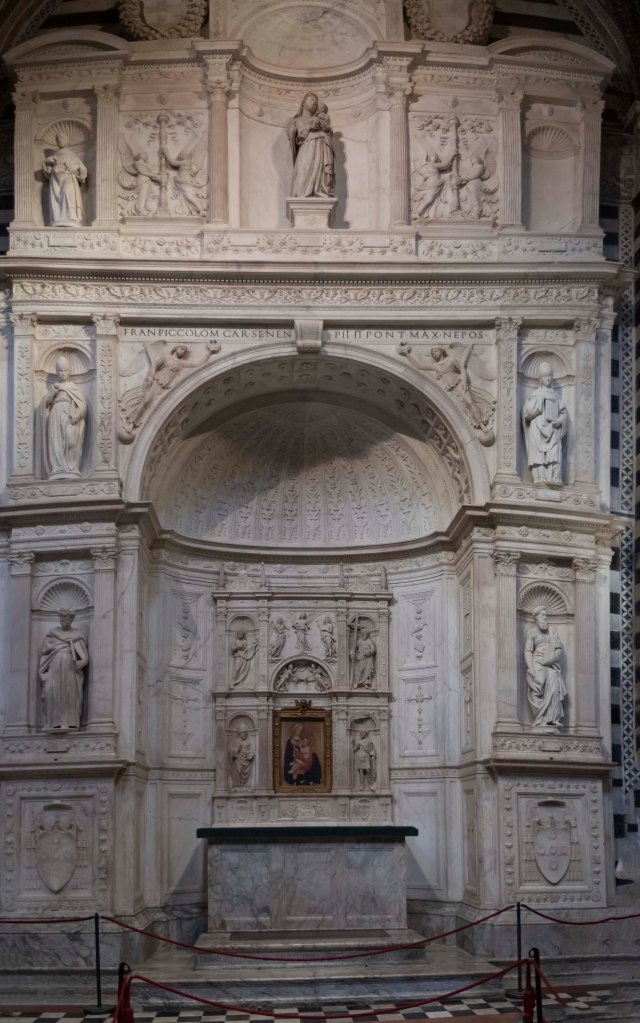
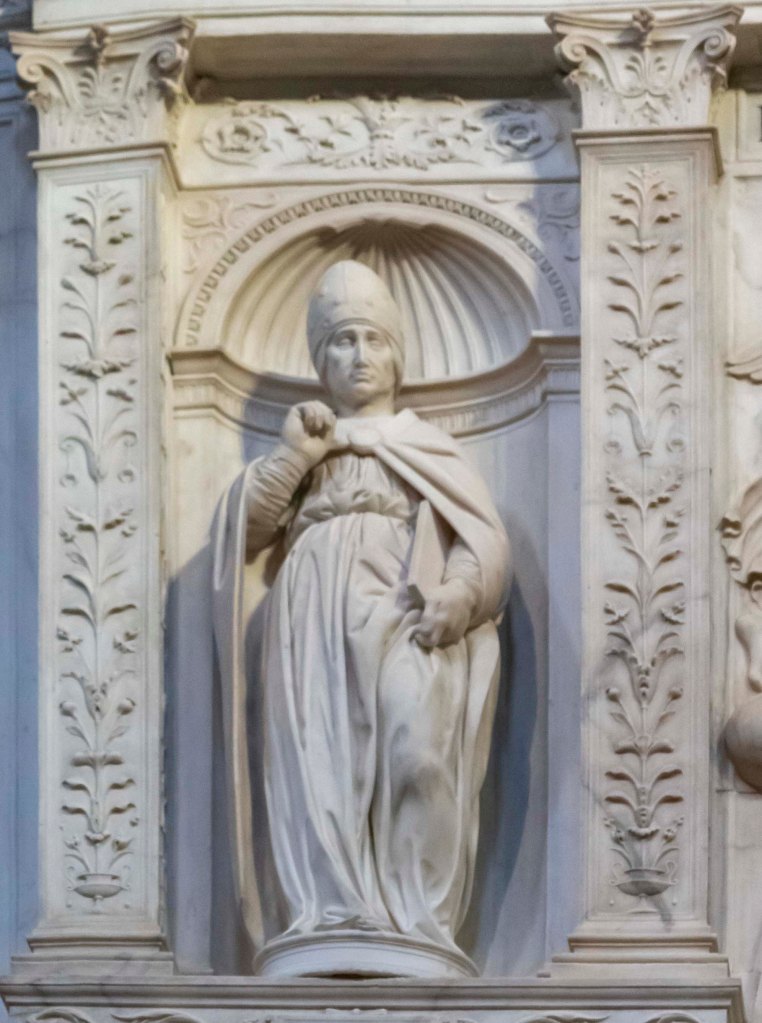
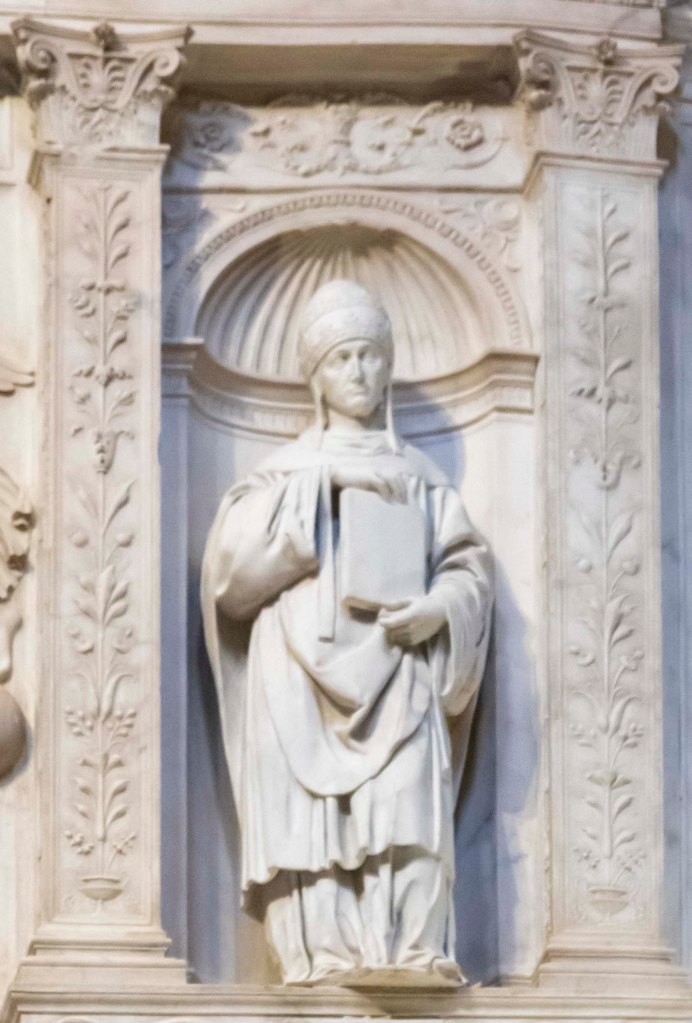
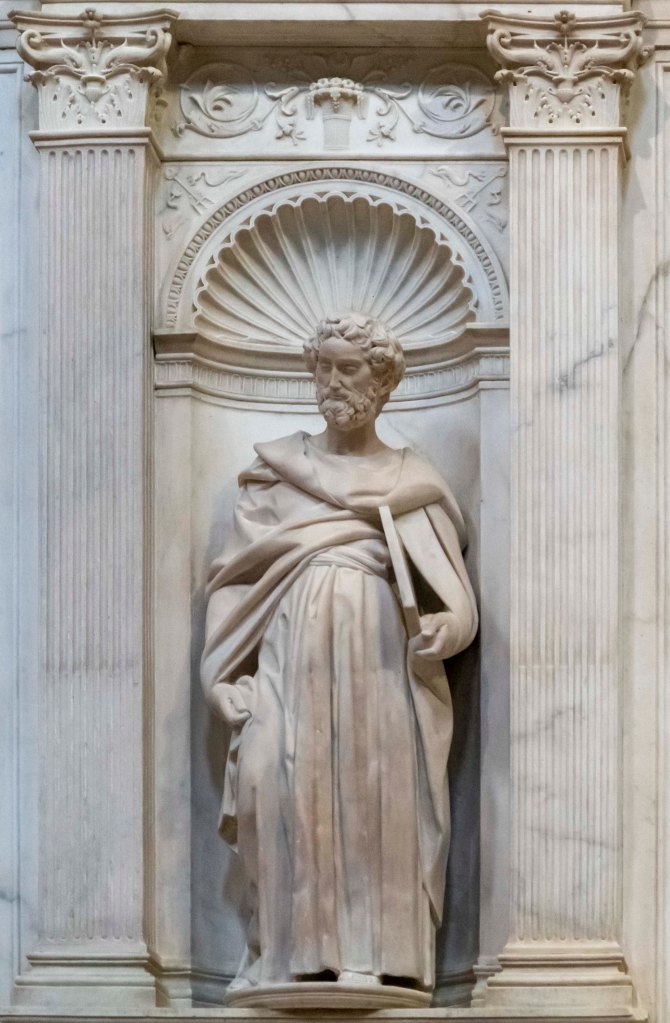
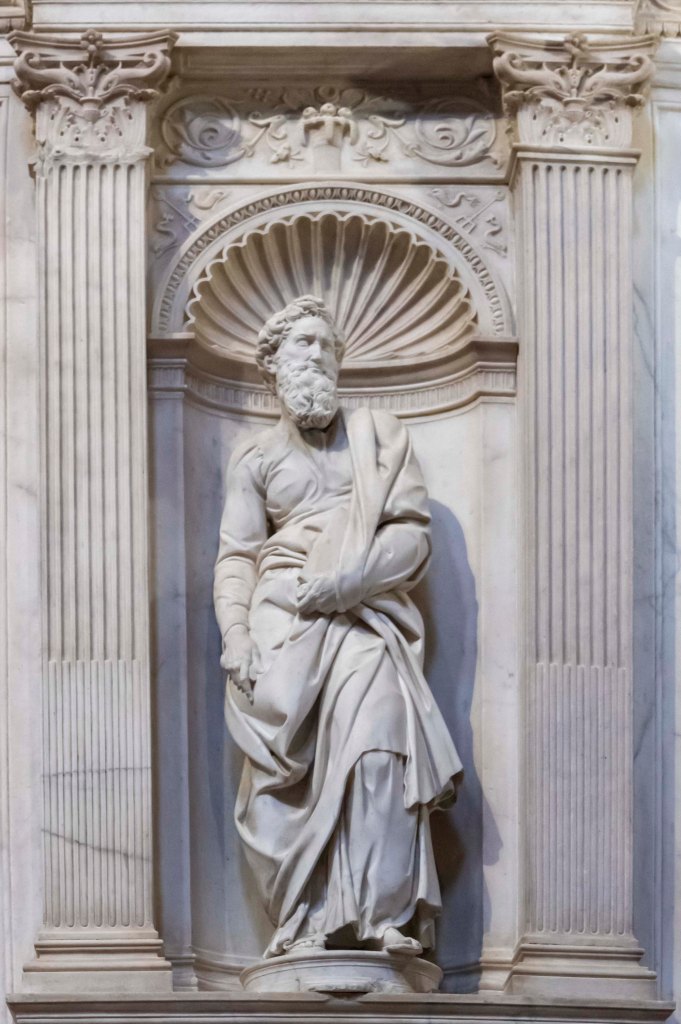
The pictures below are of the Piccolomini Altar. Piccolomini was a very wealthy patron of the church, born in Siena in 1439. The original intent of this altar was to serve as his tomb. But by the time that he died in 1503, he had become Pope Pius III (for less than a month!) and was buried in the Vatican. When the altar was being built, Michelangelo was a rising star, so was contracted to do 15 statues for it. However, he then received much better offers (including sculpting the David), so was only involved in the 4 larger statues at the bottom. And, out of the four, he only completed one of them himself. I’ve included closeups of all four statues. Which one do you think that he completed himself? (The others were completed by his students.)

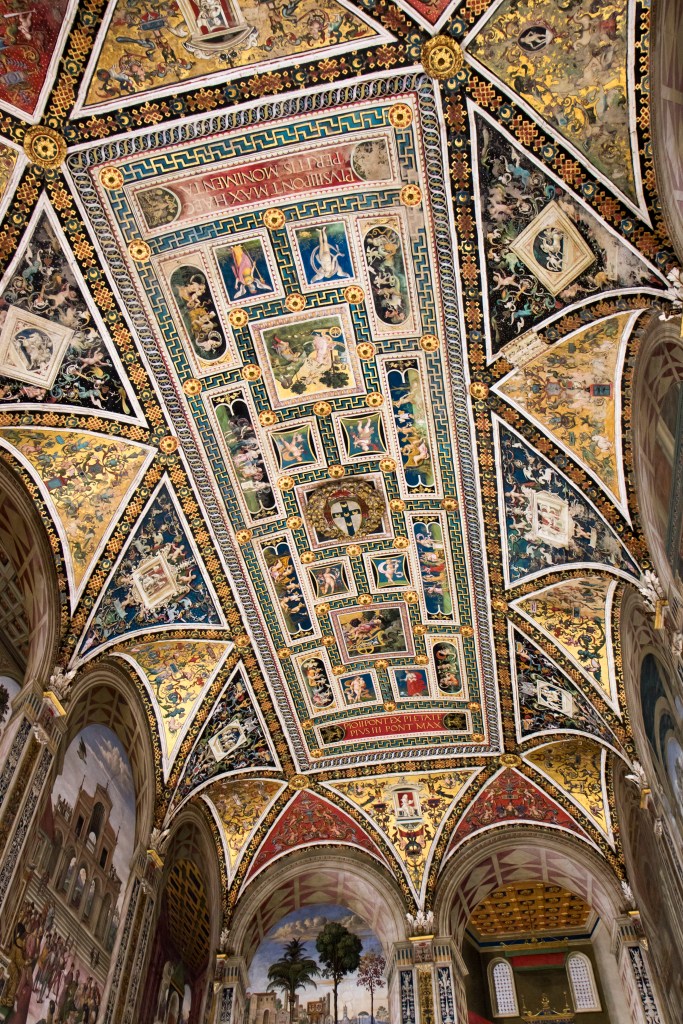
Unfortunately the most beautiful room of the Duomo was closed during this visit due to coronavirus. It is the Piccolomini library which was built in memory of him and to conserve the rich collection of manuscripts he had lovingly collected. The “books” in the library are illuminated choir books, but it’s hard to notice those books with the brilliant frescoes on the walls and ceiling. Here is a picture I took from an earlier trip:

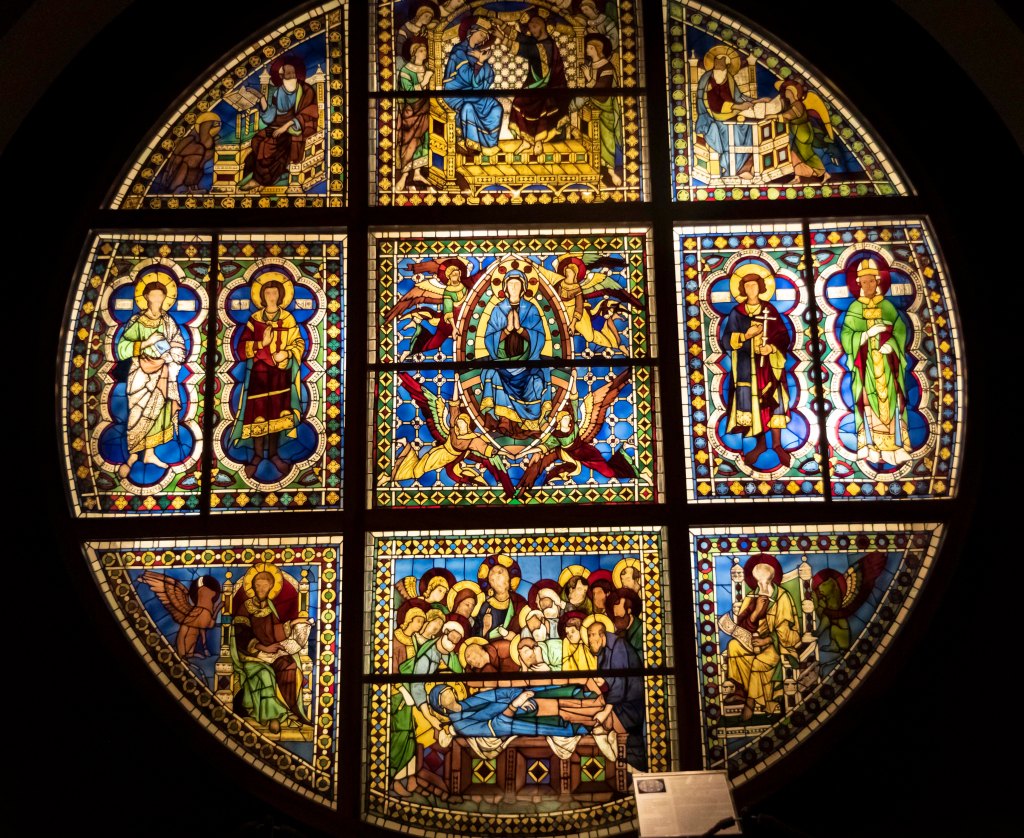
One of the original stained glass windows is now in the museum next door, where you can see the detail close up. The window was made between 1287 and 1288 by Duccio di Buoninsegna and in considered one of the most important windows in Italy. “The stained glass window depicts the Death of the Virgin (bottom), her Assumption (center) and Coronation (top). On the two sides of the Virgin of the Assumption , the 4 patron saints of the city of Siena are depicted , namely San Bartolomeo and Sant’Ansano on the left and San Crescenzio and San Savino on the right. The 4 corners of the stained glass window depict the 4 evangelists seated on the throne and their symbols (the eagle for Saint John, the winged bull for Saint Luke, the winged lion for Saint Mark and the angel for Saint Matthew ).” Only 4-6% of the glass has been replaced over the centuries, so this really is THE original!

So that was a lot of info on one church, but I did say that it is my favorite in all of Italy. And I didn’t even talk about the incredible pulpit and the artwork of Donatello!

Everyday life in Lucca… learning the language

Both Jim and I are working hard at learning to read, talk, and understand Italian. Understanding the spoken language is the hardest. I started studying the language in 2017 but started and stopped multiple times since then. I took a 12-week adult education class in America, used the Memrise app for vocabulary building, had several weeks of full-time classes at the Lucca Italian School and have used several tutors via Verbling and now in person. This patchwork of methods and starts/stops has brought me to a point where I can communicate with shopkeepers, ask simple questions to people on the street, and have casual conversations with friends from our local church. However, I still have a lonnngggg way to go. 

We watch one show on TV several times a week called “4 Ristoranti“. The host takes the owner/chef of four restaurants to visit each of their restaurants, they all judge each others’ restaurants and then select a winner. VERY formulaic. Perfect for learning the language. I know when the host will describe how the restaurants will be judged and try to understand more of it each time. I know when they will all guess the amount of the check and I listen for the amounts. And we get to see restaurants all over Italy. 🙂

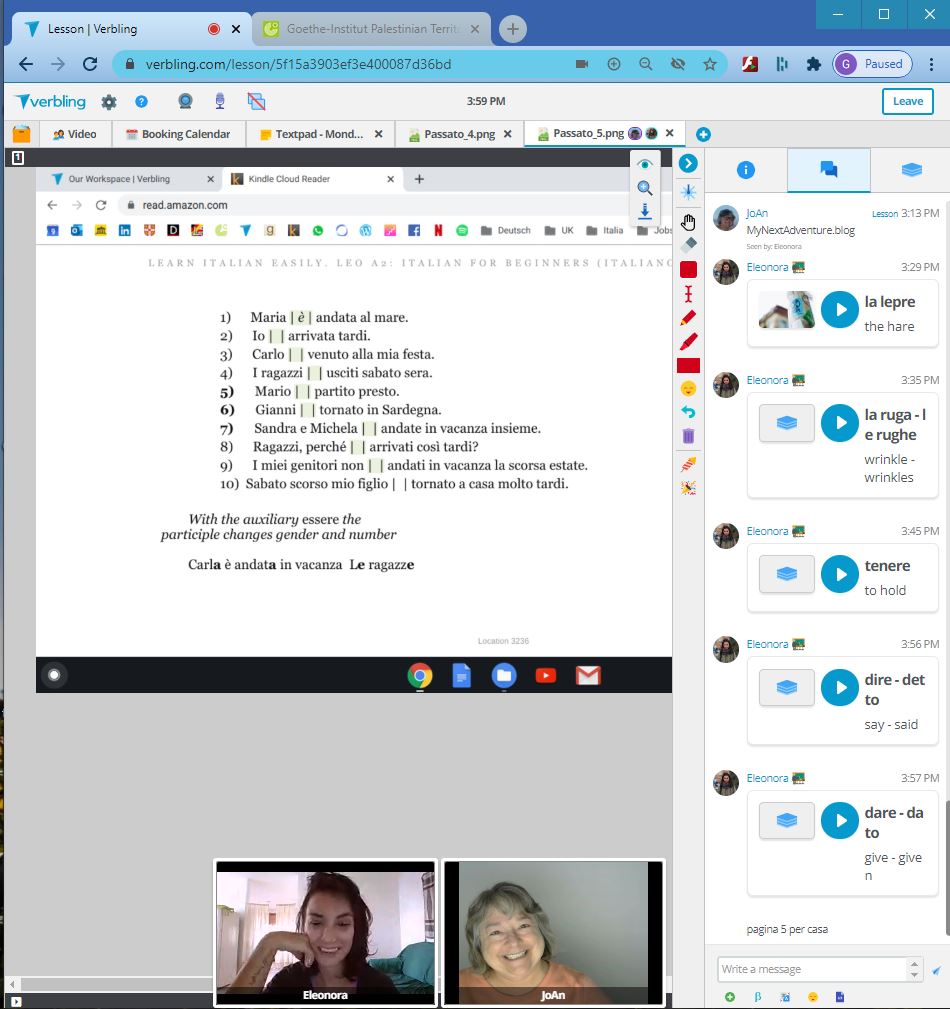
Our primary studying method is using online tutors. We started during the lock down because that was the only available option. Eleonora, my tutor, is Italian but now lives north of Jerusalem in the Palestine State. She teaches German there! I meet with her twice a week for an hour each time. We are reviewing some of the grammar that I studied earlier, but it sticks with me more the second time – and when I have opportunities to use it on a daily basis. I’ve also started meeting with a local tutor for an hour a week for more conversation practice in person. So to prove that I can speak a bit of Italian, here is the request that I made to my tutor to get the photo below: “Scrivo nel mio blog sullo sto imparando dell’italiano. Posso fare uno screenshot della nostra lezione?”

Jim studied for a few weeks at Lucca Italian School and then quickly forgot much of what he learned. He now studies with an online tutor three times per week and is making a lot of progress quickly. His tutor is Italian but currently lives in Helsinki. 

Within a few years of becoming a resident, we will need to take a test to demonstrate that we can speak basic Italian. But we want to be ready much earlier than that… in order to really become part of the community, we need to be read, talk, and understand Italian!