Unknown's avatar

Stone, Sea, and Sun: A Journey South

April 25 – May 7, 2026

Italy is made up of 20 regions, think of them as the Italian equivalent of USA’s states. Jim and I made a promise to ourselves after we moved to Italy: we want to visit all of them. This trip let us tick three off the list in one go: Basilicata, Puglia, and Molise. This trip was our best “let’s explore a new region.” We saw a lot, did a lot, but had enough down time to enjoy it all.

We hadn’t expected it, but the unofficial themes of the trip emerged quickly: birds everywhere we looked, and wildflowers carpeting every hillside and roadside. What lovely surprises!
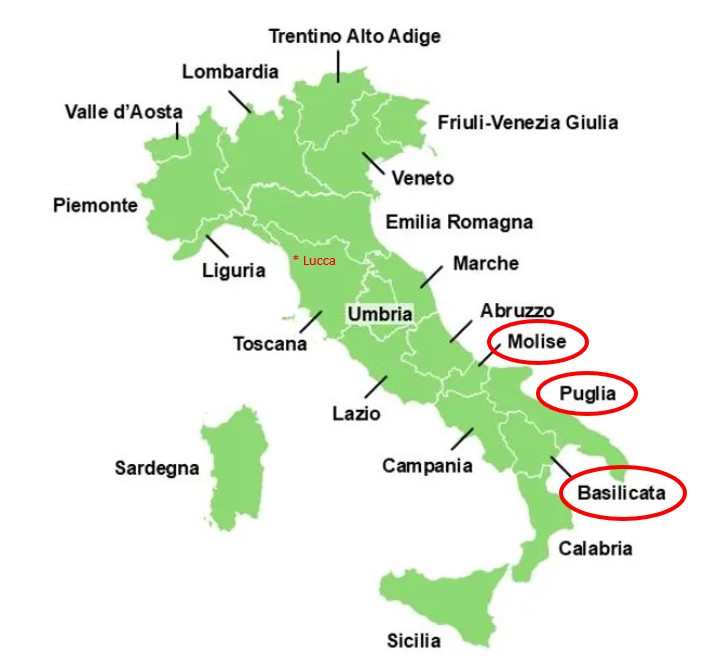
Part 1 – The Volcanic South: Venosa & Matera

Our first stop was an overnight in Venosa, a friendly town in the northern part of Basilicata. We happened to arrive on April 25th, Liberation Day, a national holiday, and the whole town was out celebrating. There was a festive energy in the air that made the most ordinary piazza feel like a party. Very big and imposing castle in the main piazza, along with nice Roman ruins and a half-built basilica made this town more than just an overnight stop.
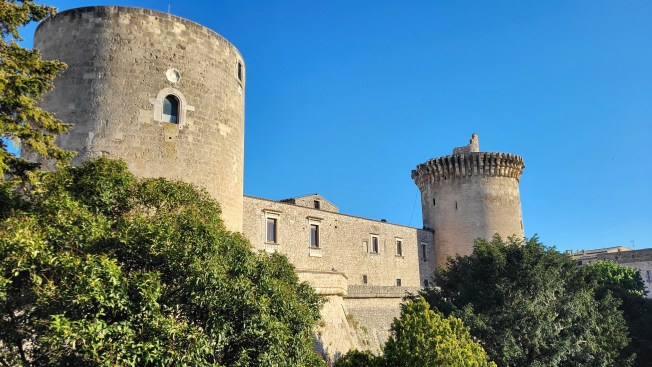
Venosa castle in town
This beautiful castle dominated Venosa’s main piazza.
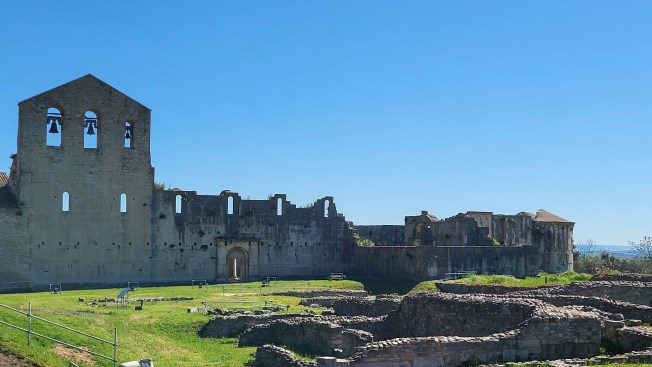
Venosa abby and roman ruins
Just outside of Venosa, an archaeological park preserves the ruins of the ancient Roman colony of Venusia, birthplace of the poet Horace, alongside a massive 13th-century unfinished basilica. It’s like visiting a construction site of a medieval church when all of the workers have left for the day.

We then visited the Elena Fucci winery, where we tasted her Aglianico del Vulture — a rich, volcanic red wine that is one of the south’s best-kept secrets. The name comes from the ancient volcano nearby, and you can almost taste the mineral intensity of that land in the glass.
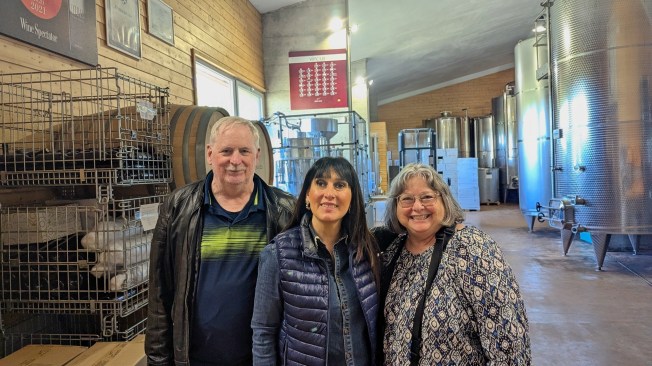
Elena Fucci, Jim and JoAn
Elena Fucci, Jim and JoAn. Unlike many Italian wineries with centuries of heritage, Elena Fucci built hers from old family vines that had never been sold commercially.

The drive to Matera was a delight in itself. Birds of prey circled above the ravines, and we pulled over more than once just to watch them and take pictures. Basilicata is a rugged, largely untouched landscape of rolling hills, deep ravines, and ancient volcanic peaks.
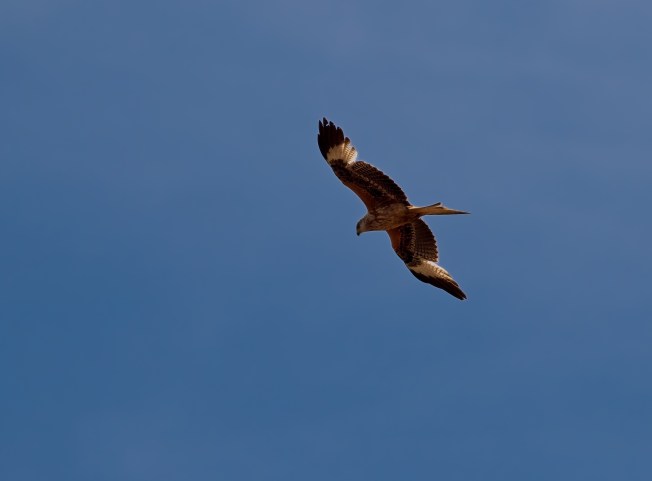
Red Kite
We saw both Red and Black Kites soaring over the countryside.

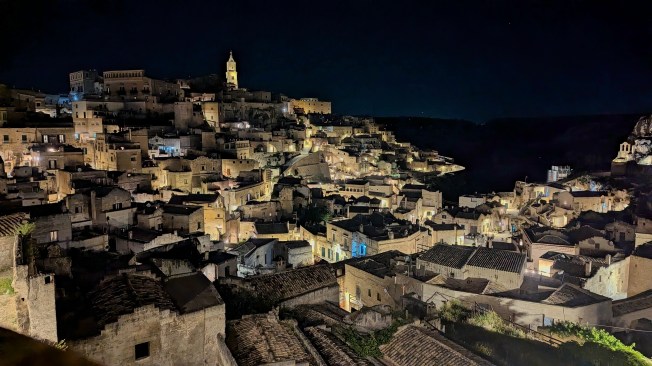
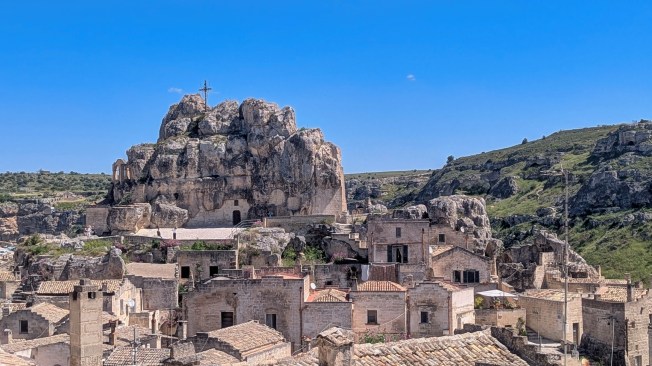
Matera is difficult to describe – not beautiful in the typical Italian sense, but striking. It is one of the oldest continuously inhabited cities on earth, with cave dwellings carved into the limestone ravines, called the Sassi, that date back over 9,000 years. In the 1950s, the Italian government considered the Sassi a national embarrassment and forcibly relocated its residents to modern housing; decades later, UNESCO declared those same caves a World Heritage Site. Today the Sassi have been transformed into boutique hotels, restaurants, and museums. Matera’s striking landscape has drawn filmmakers for decades, serving as the backdrop for Mel Gibson’s “The Passion of the Christ”, the James Bond thriller “No Time to Die” and many more.

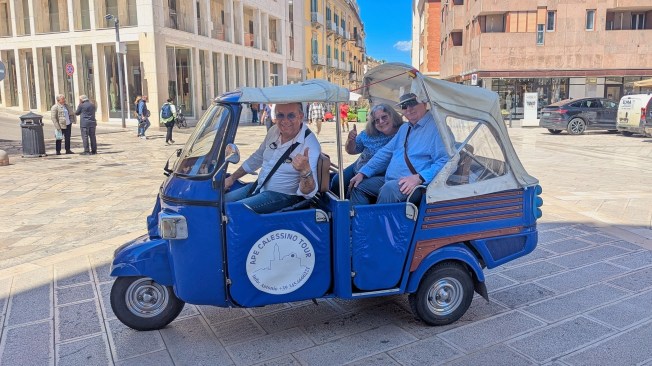
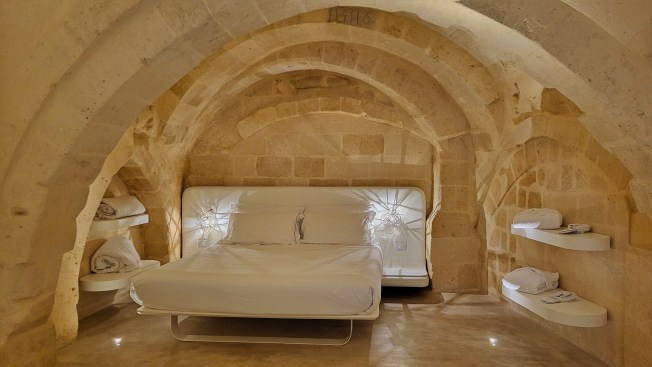
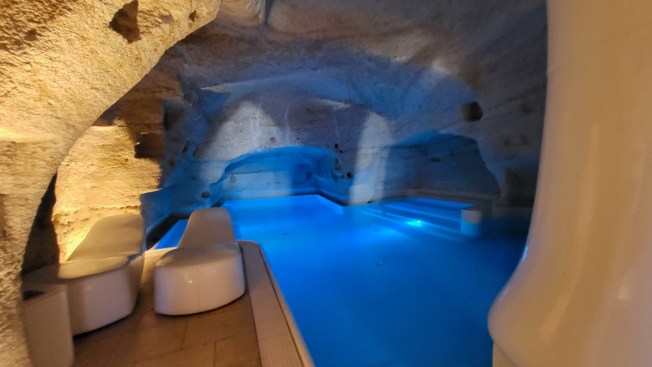
We stayed in the old part of town in a hotel where our room had literally been carved out of the rock. The spa was a bonus and a very welcome one after a day of walking. Getting around the Sassi on foot is rather difficult, with lots of iffy steps, the streets wind and double back on themselves in ways that make maps almost useless. We took a tour in an Ape, one of those tiny three-wheeled vehicles that are perfectly suited to navigating narrow lanes. It was the best possible way to get our bearings. It’s an odd feeling to know that you are just a few minutes away from your destination but you aren’t sure how to get there!
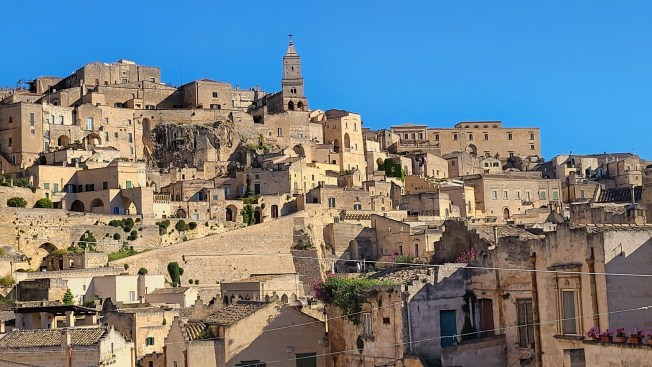
Matera during the day
The Sassi of Matera: 9,000 years of human habitation carved into limestone, once considered an embarrassment, now appreciated for its history and raw beauty.
Matera church in rocks
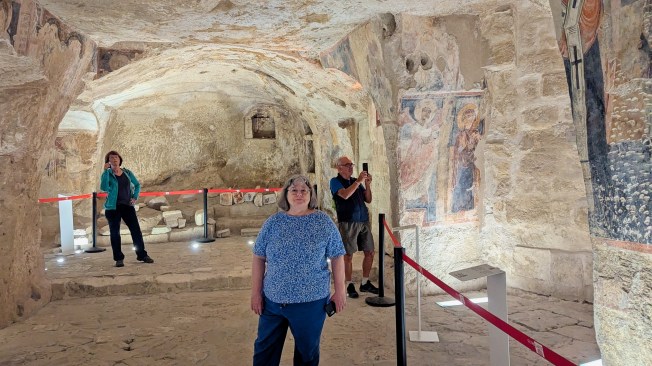
The Sassi churches of Matera were carved directly from the cliff face, sacred spaces hidden inside the stone itself.
Matera inside of church
Standing inside a cave church in the Sassi, surrounded by Byzantine frescoes still vivid after a thousand years.
Matera Ape tour
We zipped around Matera’s tiny streets (but not the steps!) in this Ape.
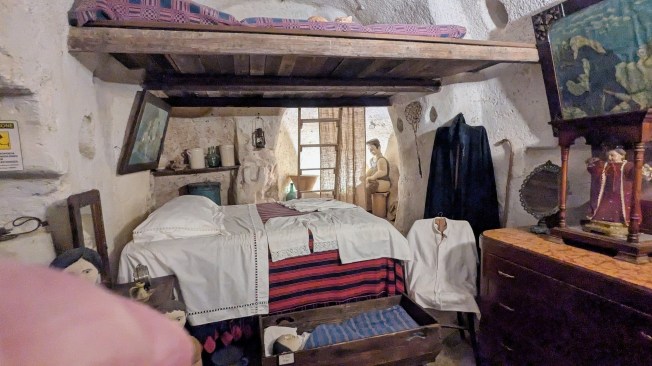
Matera inside cave home
A reconstructed cave home in the Sassi, one room for the whole family, and often the animals too. In the 1950s, the Italian government declared these dwellings uninhabitable and forcibly relocated some 15,000 residents to modern housing.
Matera hotel room
We stayed in a beautiful cave hotel room. Today it is ruggedly elegant.
Matera spa
Our hotel had a beautiful spa carved out of the rock, including this wonderful hot mineral pool.
Matera at night
Nine thousand years of history, lit up for the night.

Part 2 – Baroque Puglia: Lecce

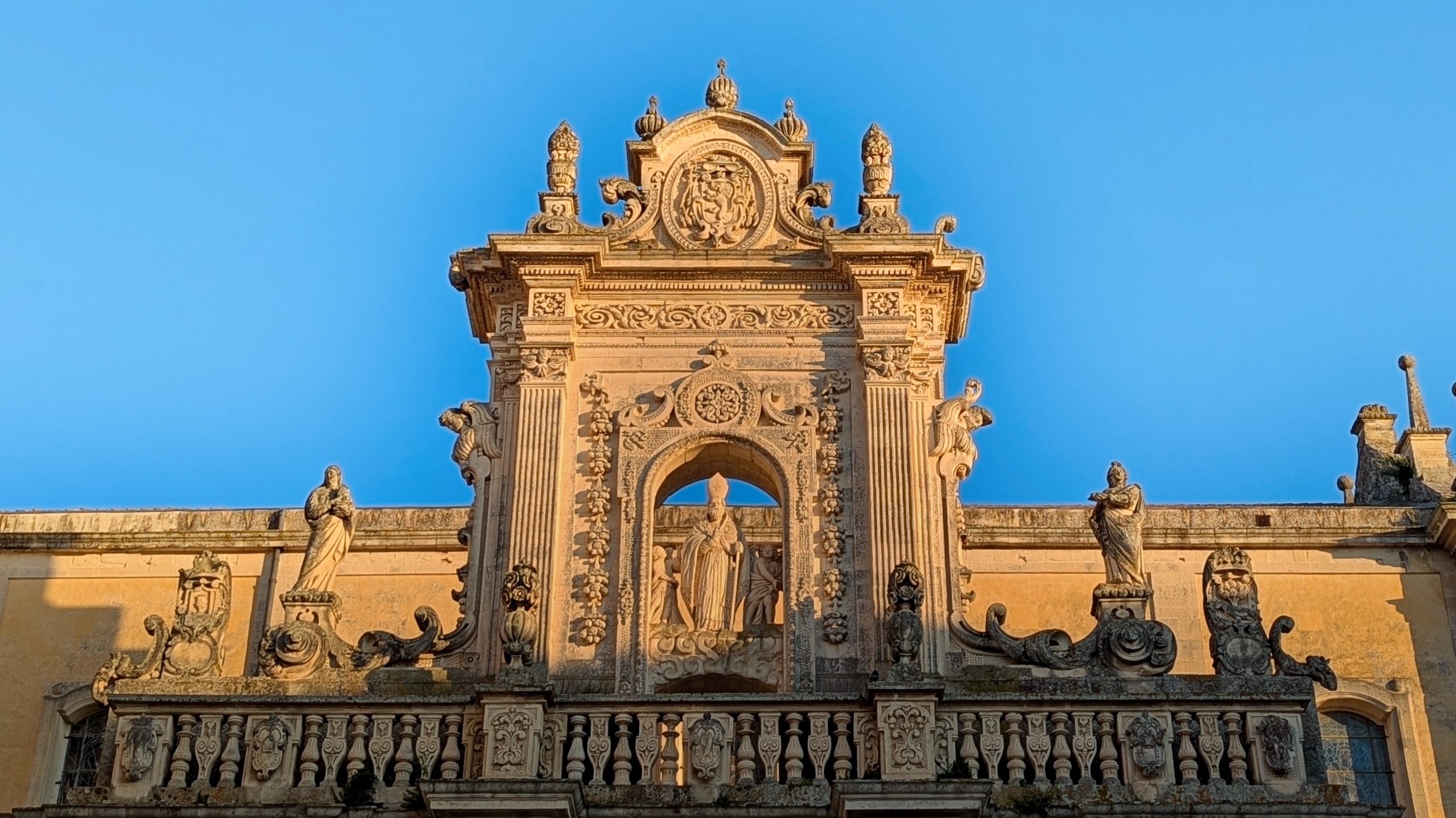
If Matera is all drama and geology, Lecce is all elegance and exuberance. Known as the Florence of the South, Lecce built its reputation during the 17th century when the Catholic Church funded a building boom of extraordinary ambition. Local craftsmen worked a uniquely soft, creamy-colored limestone into facades so intricately carved they look almost lacy. The style became known as Barocco Leccese, and it is unlike anything else in Italy.

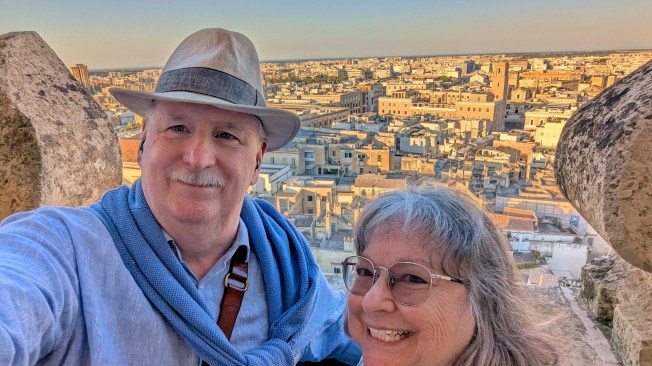
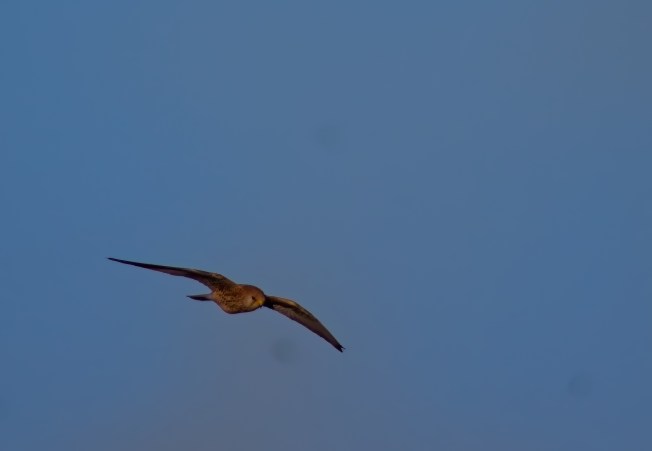
On two different evenings we went up the bell tower of the Duomo to watch the city change in the fading light. The first evening was about the architecture — the way the golden stone glows at sunset is something you have to see to believe. The second evening was about the birds. Kestrels and swifts by the hundreds flew around the tower in formations that seemed almost choreographed. We stayed up there longer than we intended both times.
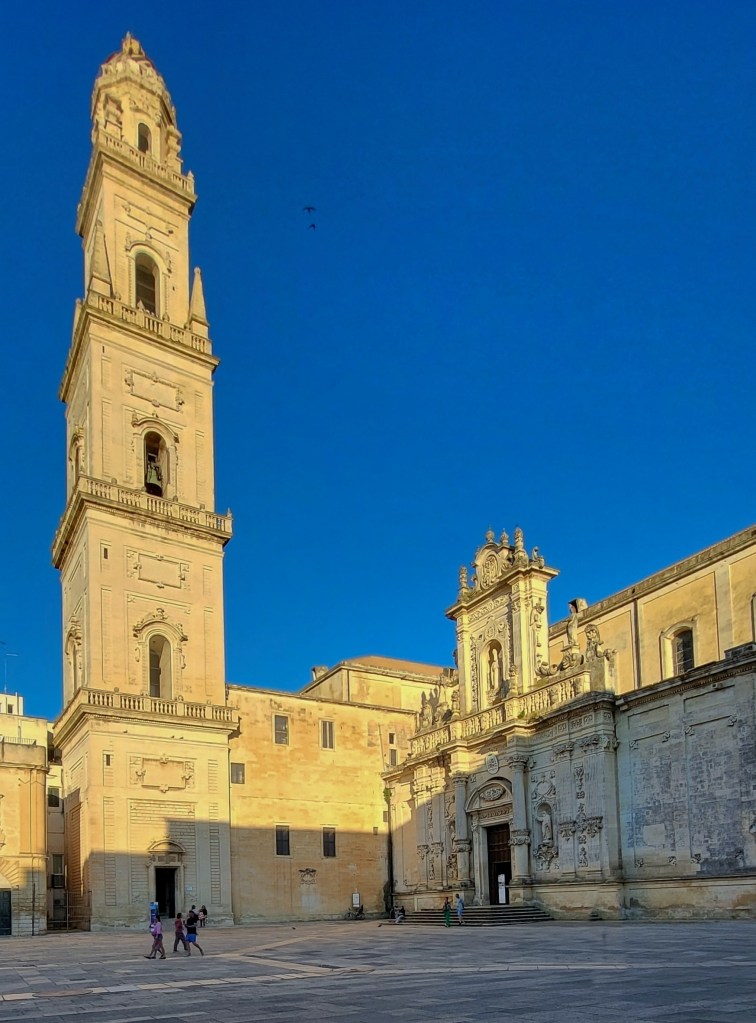
Lecce Duomo and Bell tower
Late afternoon light on the Piazza del Duomo and its grand bell tower.
Lecce Duomo detail
Lecce Baroque in detail: saints, scrolls, and sculptural flourishes cascading across the golden facade of the Duomo at sunset.
Lecce, in Bell Tower
Goofy selfie from the bell tower with the beautiful golden city in the background.
Eurasian Kestrel in flight
We saw Eurasian Kestrels in Lecce and Eurasian and Lesser Kestrels in the countryside.
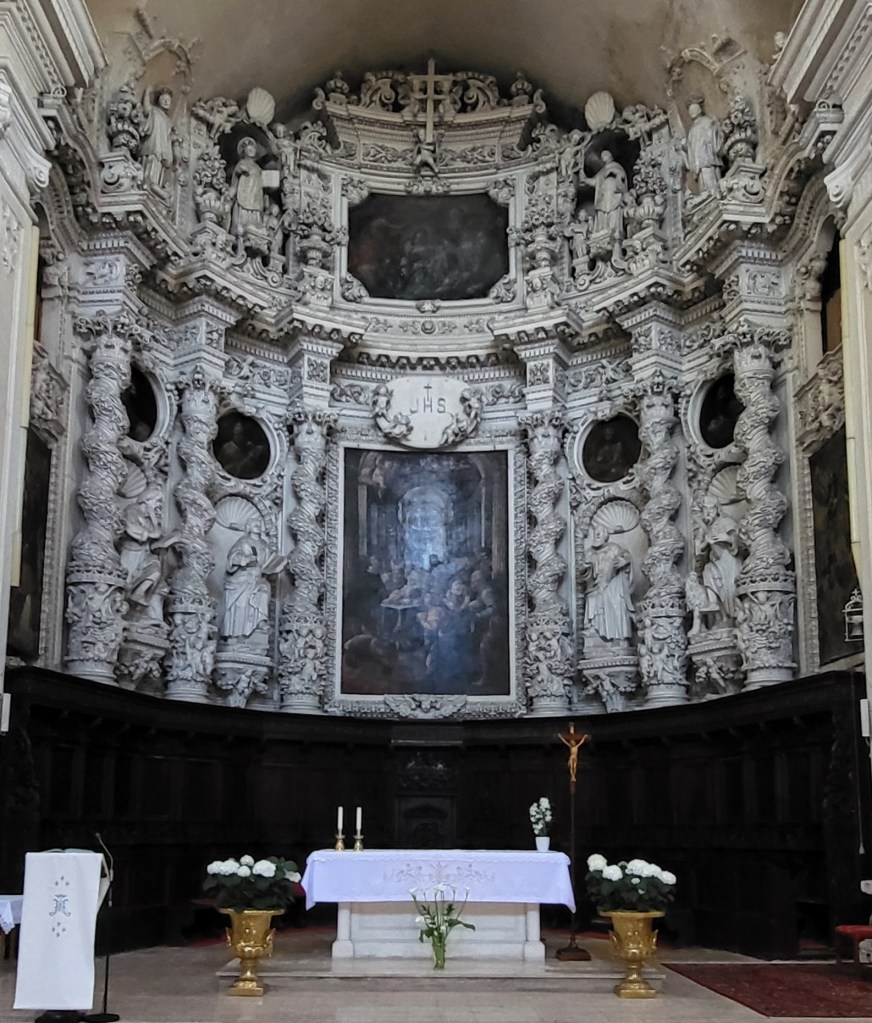
The Altare Maggiore of the Chiesa del Gesù
The Altare Maggiore of the Chiesa del Gesù — twisted columns, intricate sculpture, and the warm glow of local stone. Lecce Baroque at its most extravagant, dated to 1699.
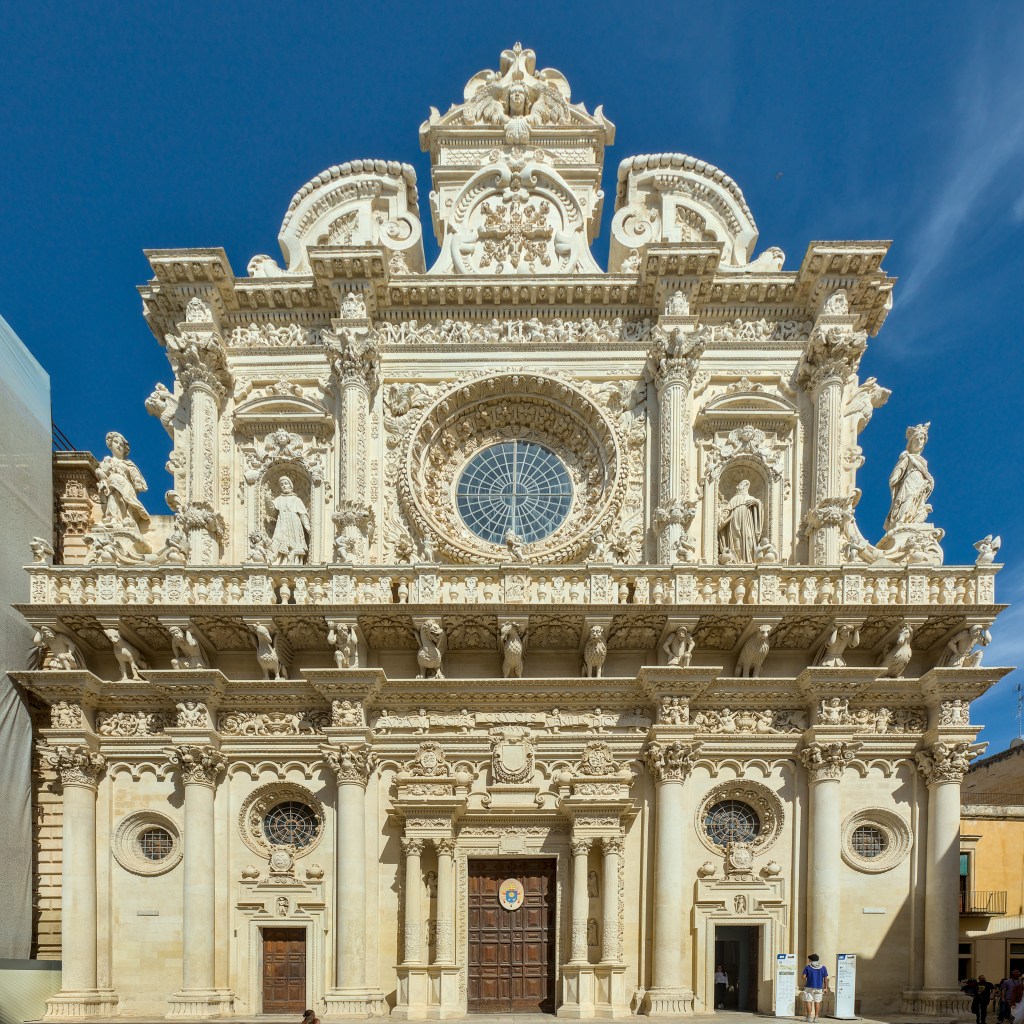
The Basilica di Santa Croce
The Basilica di Santa Croce: Somewhere behind all that carving, there’s a church.

Our wine visit took us to the Leone de Castris winery, one of Puglia’s most historic producers. We tasted several wines, but the highlight was their Five Roses rosé, which has long been one of our favorites. We finally learned the story behind the name — which I’ll leave for you to discover if you visit. Some stories are better told in person.

Part 3 – Trulli, Coast & Countryside: Ostuni → Alberobello → Trani

I plan our trips carefully, but I’ve learned over the years that the willingness to adapt is just as important as the planning. This stretch of the trip gave me several opportunities to do that.

Ostuni, the White City, perched brilliantly above the olive-covered plain, was on our list, but the day we’d earmarked for it turned out to be stormy. Rather than wander a hilltop town in the rain, we pivoted to a nearby cave system that friends had recommended: the Grotte di Castellana. What an unexpected treat. The caves are vast and otherworldly, and they kept us completely dry while the weather sorted itself out above ground.

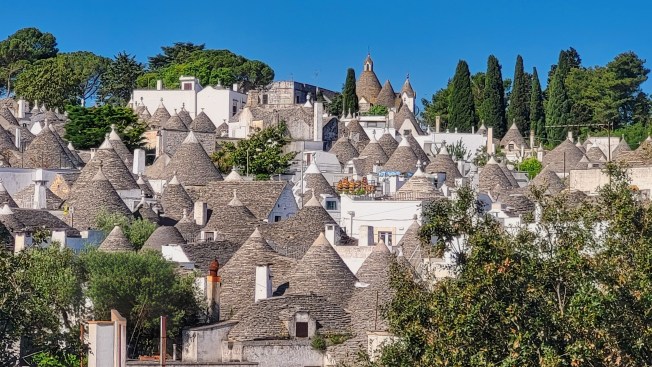
From there we headed to Alberobello, the capital of the trulli. These remarkable cone-roofed limestone dwellings date back to the 15th century, when local farmers built them without mortar on orders from the ruling Count of Conversano, the idea being that a mortarless building could be quickly dismantled if a royal inspector came to levy taxes on permanent structures. The trulli were essentially a centuries-long tax dodge, which somehow makes them even more charming. The town was designated a UNESCO World Heritage Site in 1996 and today has over 1,500 of these extraordinary structures.

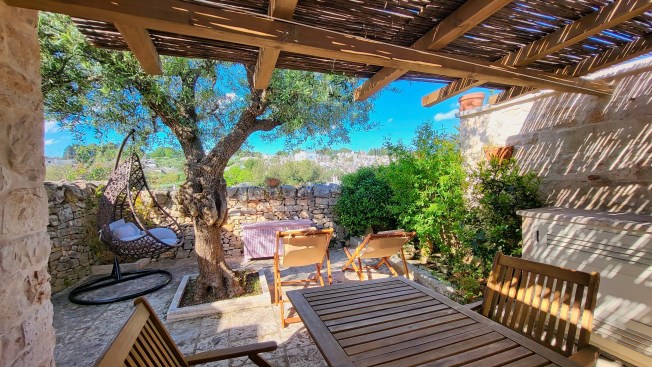
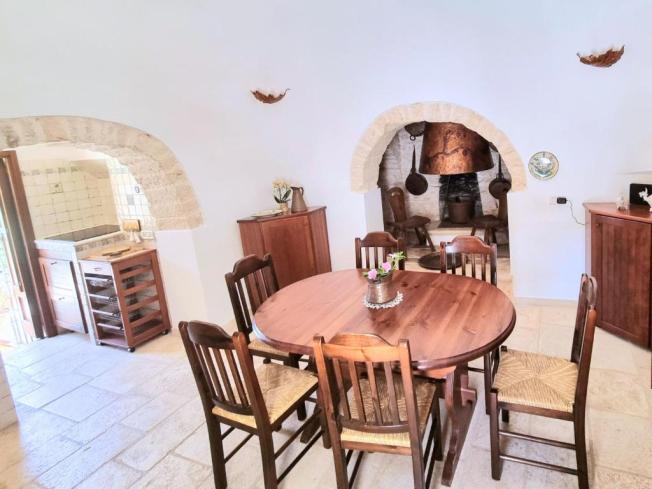
We didn’t just look at the trulli — we stayed in one. Our trullo had a terrazza with an amazing view over a hillside covered in those conical roofs, one cone after another as far as we could see -and even one trullo church! We took a walking tour, wandered on our own, but found that living inside one (the thick stone walls, the cool air, the unexpected coziness) told us more than any guidebook could.
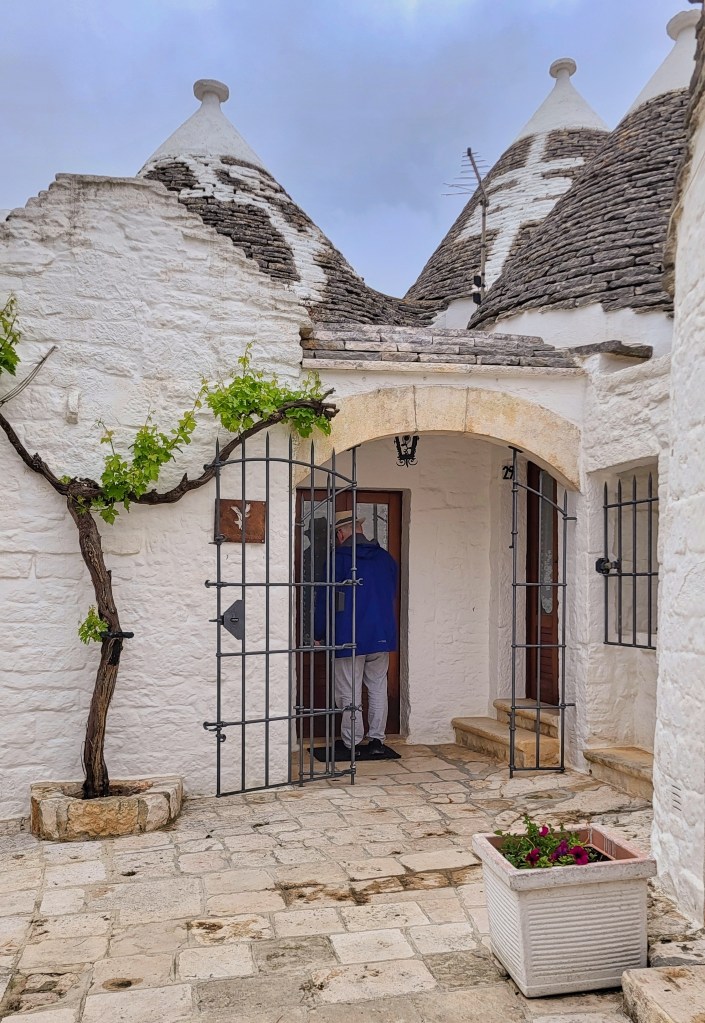
Alberobello, our trullo
We rented this adorable trullo for two nights.
Alberobello, our trullo inside
Inside was cozy and modern, but you could still see the traditional elements of a Trullo like the fireplace and the shape of the ceiling.
Alberobello, our terrazza
We had a spacious and comfy terrazza with an incredible view of the town’s hill filled with Trulli!
Alberobello, view from our terrazza
This view doesn’t get old… This part of town was very touristy and most of the trullis were shops, restaurants, or museums. But still adorable!
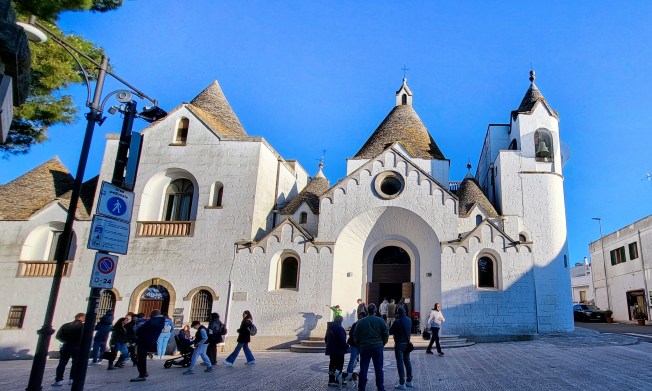
Alberobello, Trullo church
Even this church gets a conical roof in Alberobello!
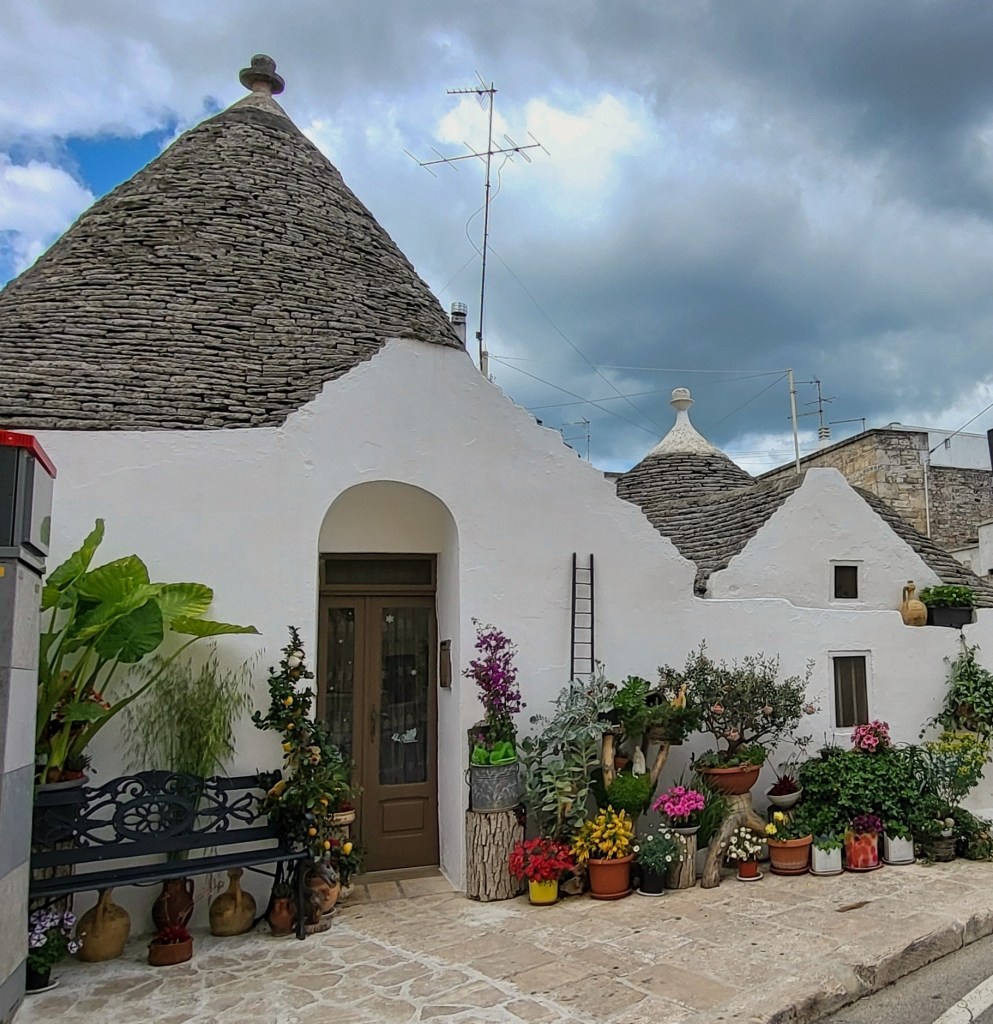
Alberbello adordable Trullo
This had to be one of the cutest Trulli that we saw. Our walking tour guide explained that if there were flowers out front, that someone lived in the Trullo. That makes it even more special!
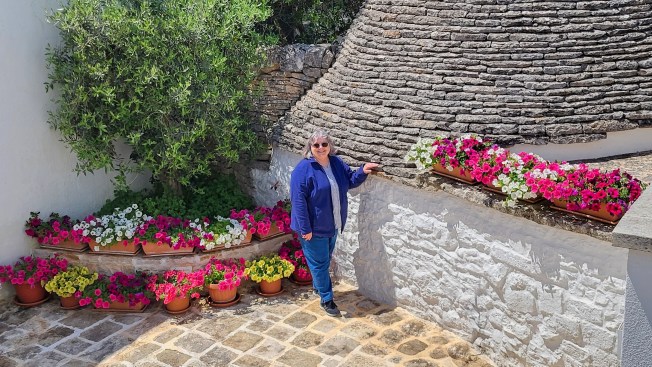
Alberbello pretty terrazza
Some stores had beautiful terrazze that you could visit – and I loved the flowers on this one!

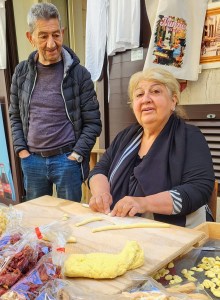
We made another unplanned detour when we dropped a winery visit in favor of a day in Bari. The highlight, without question, was enjoying the back street where women were making orecchiette pasta by hand, just as their grandmothers had; rolling and shaping each little ear of pasta on wooden boards set out in the open air. We bought a bag and were surprised at the thickness of the pasta… not quite our favorite, but I am glad that we experienced it! As for the city itself, a friend had warned us that Bari is “Puglia’s version of Naples” — chaotic, crowded and loud. He wasn’t wrong. We appreciated the orecchiette women and moved on.
Bari pasta lady
Flour, hands, and a lifetime of practice. Bari’s famous street pasta makers are a living tradition.

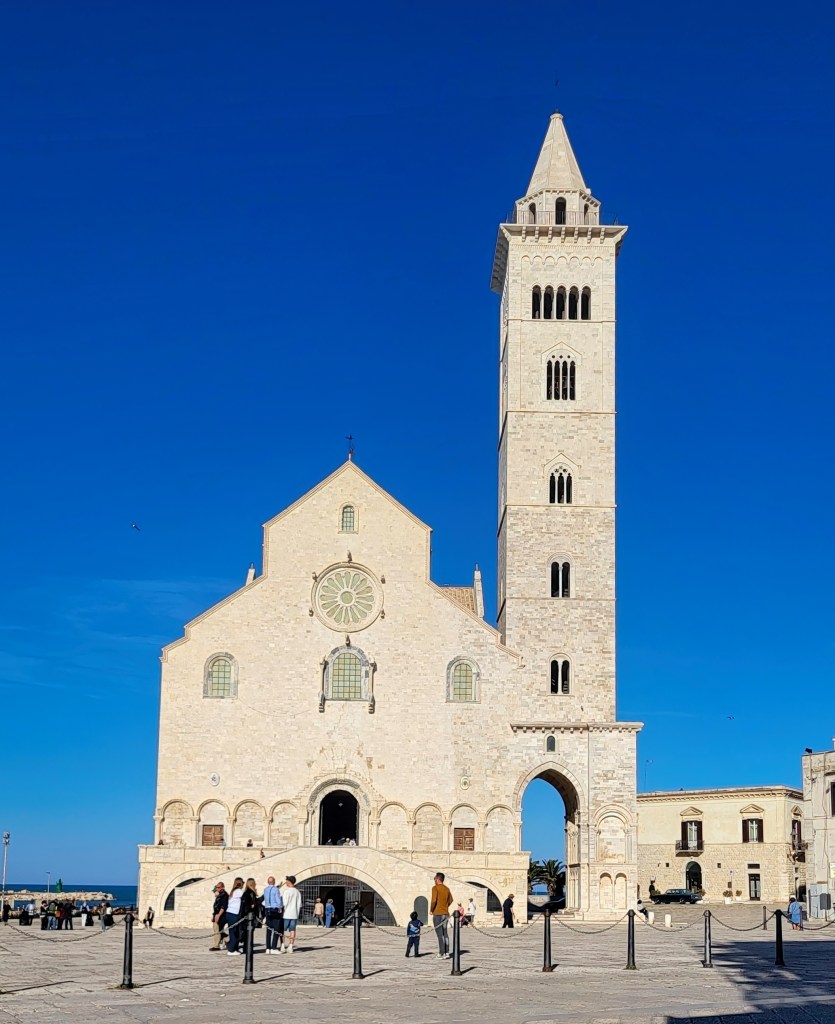
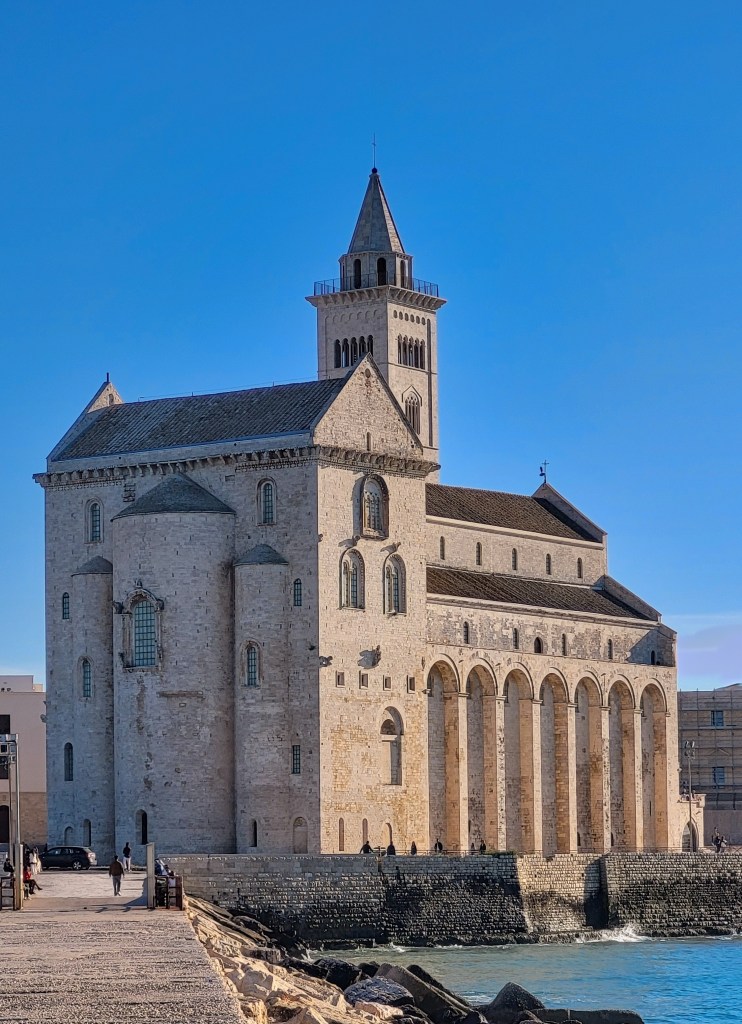
Our final stop for this part of the trip was Trani, a coastal city that doesn’t get nearly the attention it deserves. It flourished in the 11th and 12th centuries as a powerful maritime hub and a departure point for the Crusades, and its glorious Romanesque cathedral is built from a blush-toned local stone and seems to rise directly from the Adriatic Sea. The city had a wonderful ease to it: people out walking, enjoying themselves, not overwhelmed by visitors. After some of the more tourist-heavy stops on this trip, it felt like a gift.

We got a bonus we hadn’t planned on. Driving back to our apartment one afternoon after visiting Castel del Monte, we stumbled into the tail end of a procession for the town’s patron saint, exactly the kind of scene you imagine when you dream of southern Italy. Priests in robes, banners swaying overhead, and a brass band filling the streets with horns and tubas. It was like something out of a movie, and I wished we’d known about it in time to see the whole thing. No pics, only fleeting views…
Trani duomo
Trani’s cathedral dominates the seafront piazza — Romanesque architecture at its best.
Trani Duomo seafront
Where stone meets sea: Trani’s 11th-century cathedral standing watch over the Adriatic as it has for nearly a thousand years.
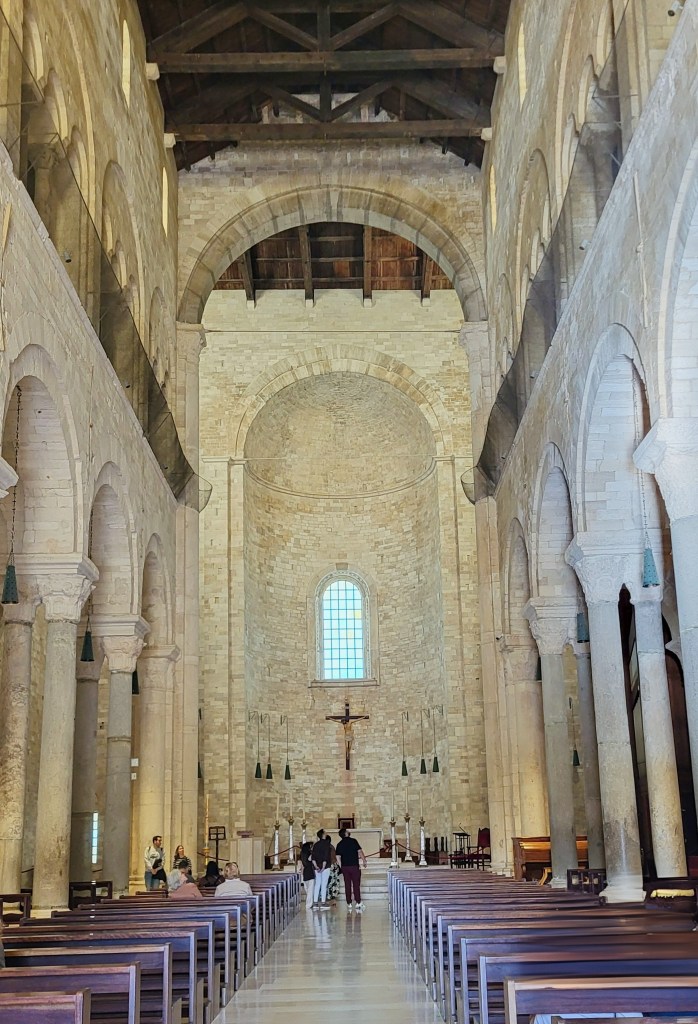
Trani Duomo interior
Romanesque restraint at its finest: the interior of Trani’s duomo lets the stone do all the talking.
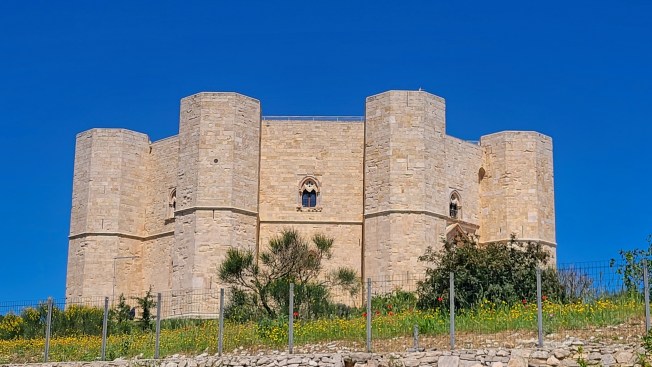
Castel del Monte
Castel del Monte: Frederick II’s geometric masterpiece rises from the Apulian plateau — eight towers, eight sides, and eight centuries of mystery.
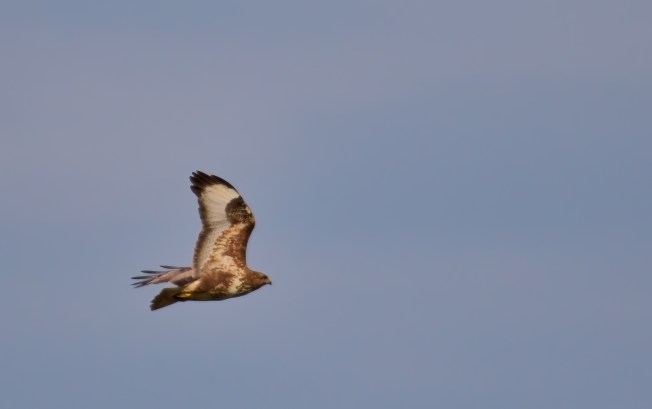
Eurasian Marsh Harrier
Lots of birds of prey in the countryside near the Castel del Monte, including this Eurasian Marsh Harrier.
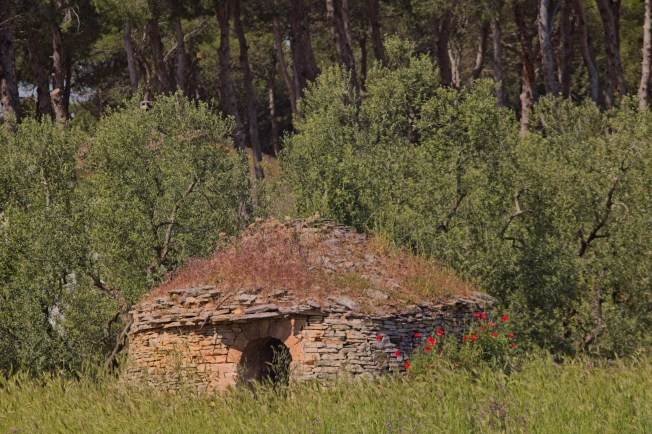
Trullo in countryside
The countryside is scattered with trulli, many of which are still used today to store equipment and supplies for local farms.

Part 4 – Forest, Frontier & the Road Home: TorreVento → Foresta Umbra → Molise

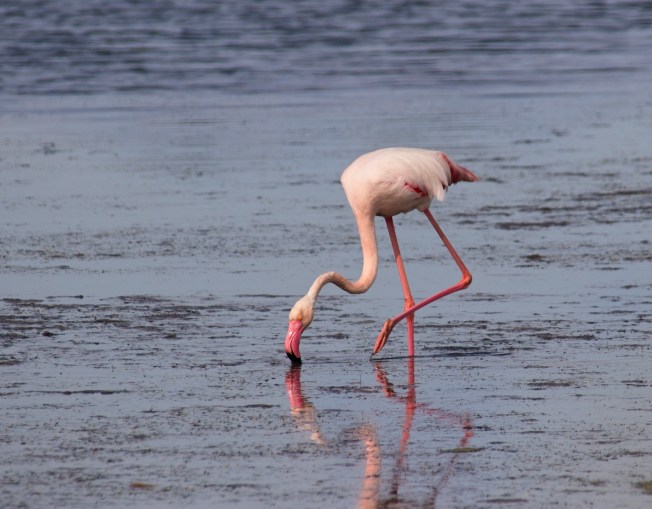
We made one more winery stop in the foothills near Castel del Monte before heading north: TorreVento, set amid vineyards and wildflowers and more of those wonderful birds. Then we pointed the car toward the Gargano Peninsula and the Foresta Umbra, the Shady Forest. On the drive up to the forest, we passed two roadside shallow ponds filled with flamingos – quite a surprise! We pulled over, stared and took lots of pictures.
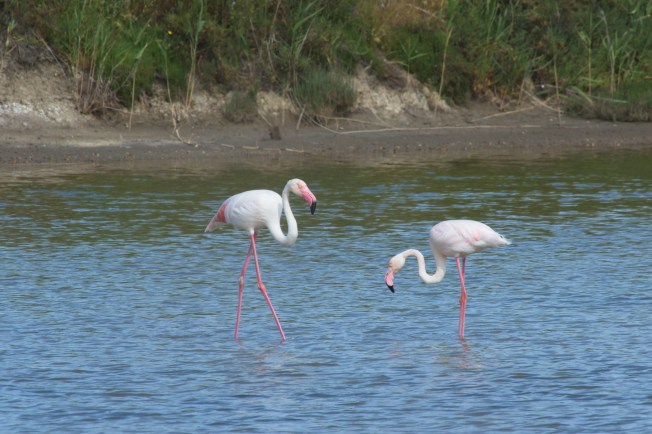
Greater Flamingo
We spotted Greater Flamingos in two shallow ponds right along the road. What a surprise!
Greater Flamingo pair
And here is a lovely pair of Greater Flamingos.
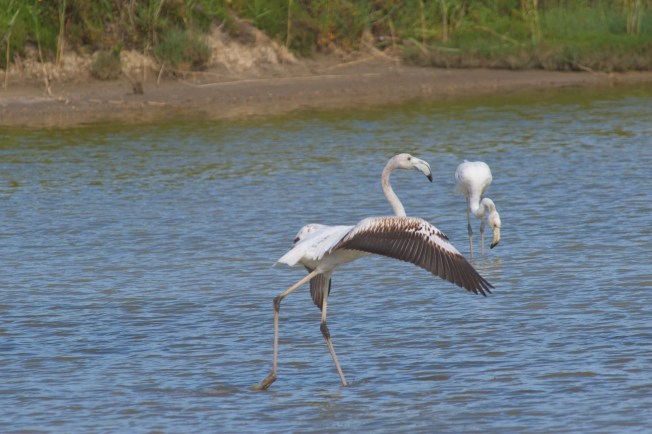
Juvenile Greater Flamingo ready to fly
Young flamingos are born with grey-white plumage — the iconic pink comes only with time and diet. It’s the carotenoid pigments in their food, primarily brine shrimp and algae, that eventually turn them the color we know.

The Foresta Umbra is the ancient heart of the Gargano National Park, one of the last remnants of the primeval beech and oak forest that once blanketed much of Central Europe. Its beech forests are now a UNESCO World Heritage Site, and driving into them you understand why — the trees are enormous, the light filtered and green, the silence deep.

Getting to the forest, however, tested our nerves. The road up was technically two-way but wide enough for only one car. We inched past four or five oncoming vehicles in a series of white-knuckle negotiations, each car easing half off the road to let the other squeeze by. The views were stunning, but the circumstances made it difficult to enjoy.

The destination was worth every hairpin turn. We stayed at the ELDA Hotel, a lovely property tucked right in the midst of the forest, in a cottage outside the main building with a table set perfectly for sitting outside, watching birds, and playing cribbage. We took a lovely walk through the old-growth forest to a quiet pond. The birdsong there was remarkable. I’ve been to a lot of beautiful places, but that morning walk felt like something set apart.
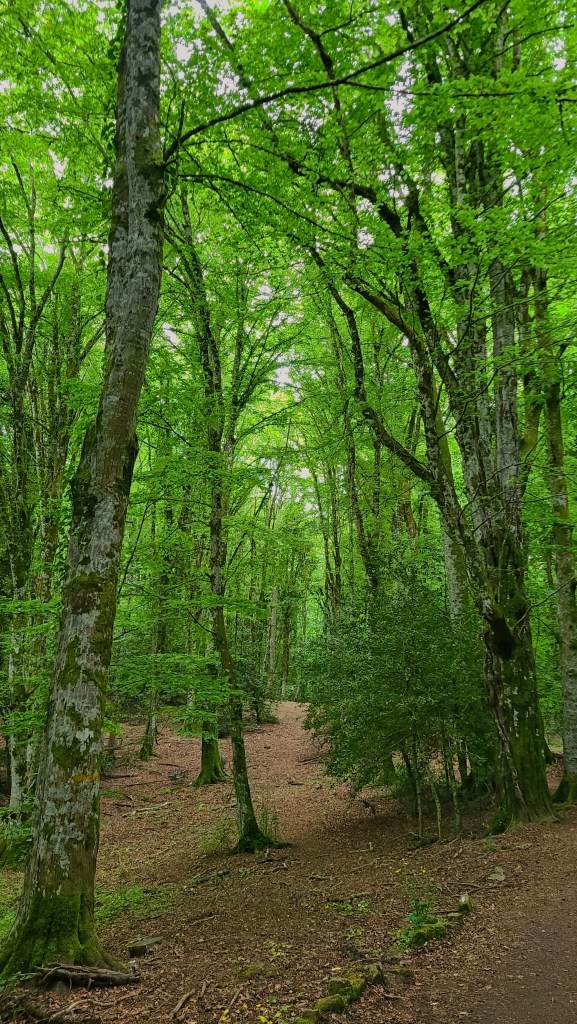
Foresta Umbra
Foresta Umbra, the peace and serenity of an old-growth forest.

From the forest we crossed into Molise —the third region of this trip. Molise is tiny and largely overlooked region, which turns out to be precisely its appeal. The landscape is beautiful and peaceful: forested mountains, green valleys, and agricultural plains. We visited the Claudio Cipressi winery, and his story is worth telling. In 1990, an agronomist friend mentioned almost in passing that Molise farmers used to grow a grape called Tintilia. The variety had nearly vanished; it was too difficult to farm, too obscure to bother with, and quite acidic. Cipressi, who had come to winemaking from a completely different career, became obsessed. He cultivated the grape, submitted it to university researchers, and eventually helped get Tintilia officially recognized as a unique indigenous variety and entered on Italy’s national registry. He tweaked his vinification process until he could consistently produce a well-balanced wine, albeit with several years of aging before its release. Today he is widely credited with saving it from extinction. The wine is wonderful and the landscape around the winery was breathtaking. We bought way too much.
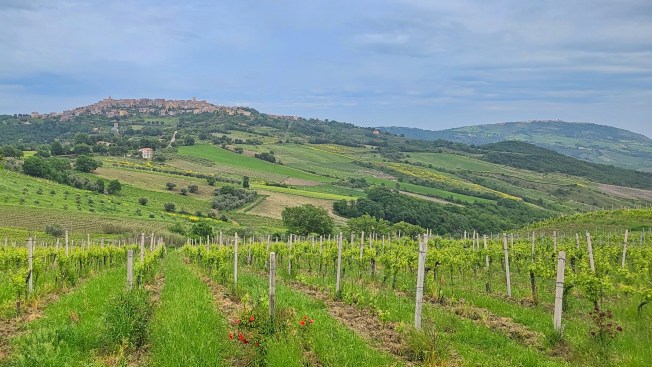
Molise vineyard
The rolling hills of Molise with Claudio Cipressi’s beautiful vineyard.
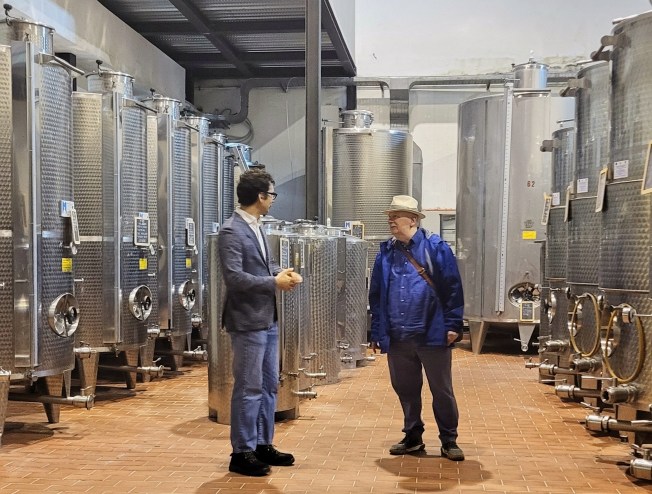
Claudio Cipressi winery
Jim is always very engaged during any wine tour with lots of questions about production methods.

We drove home via an overnight stop outside Orvieto, arriving back in Lucca by noon the next day. Nearly two weeks, three regions, flamingos by the road, orecchiette women, cave hotels, a nearly-lost grape variety, and more birds than we could count — but no itinerary could have planned for the wildflowers that added their own vivid surprise to every road we traveled, from the rocky hillsides of Basilicata to the sun-drenched fields of Puglia. What a trip!
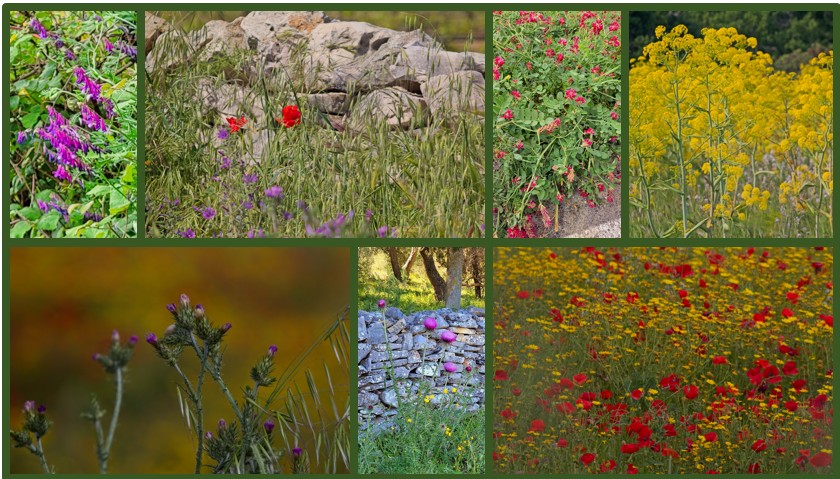
Wildflower collage

Unknown's avatar

Two weeks in the Republic of Ireland

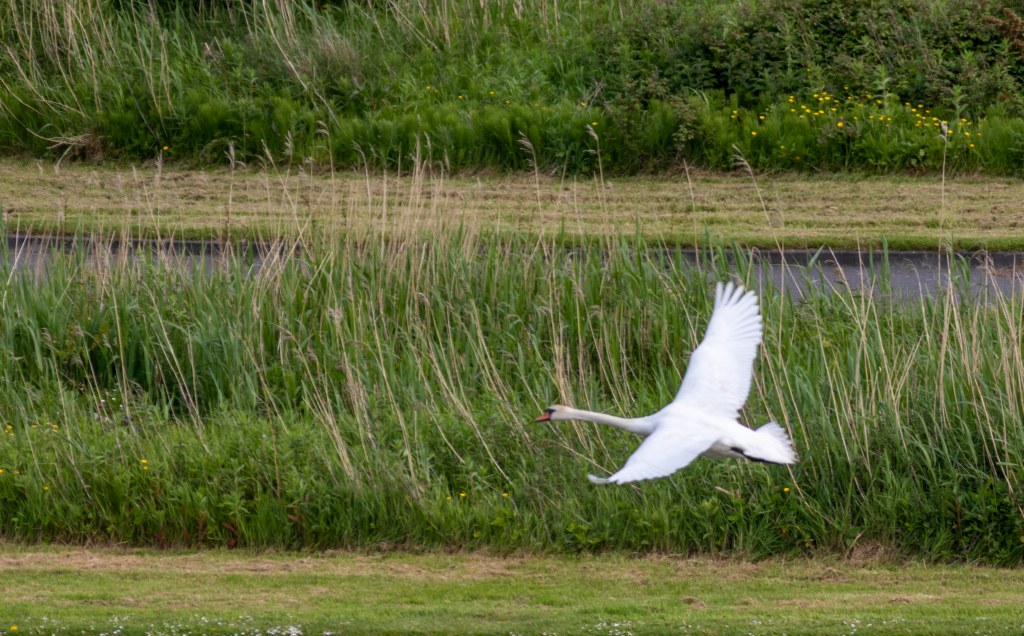
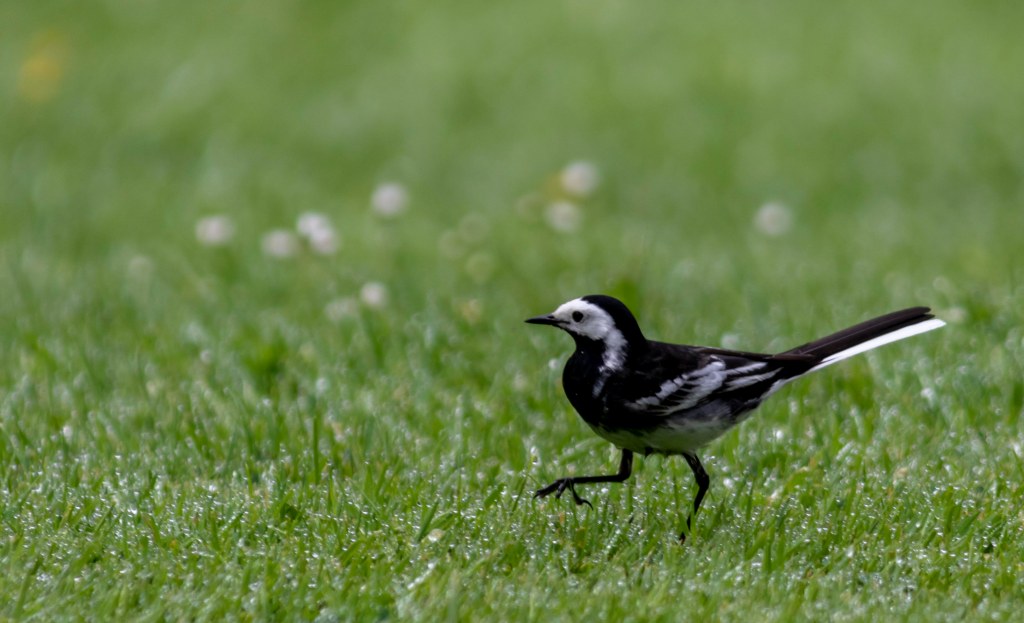
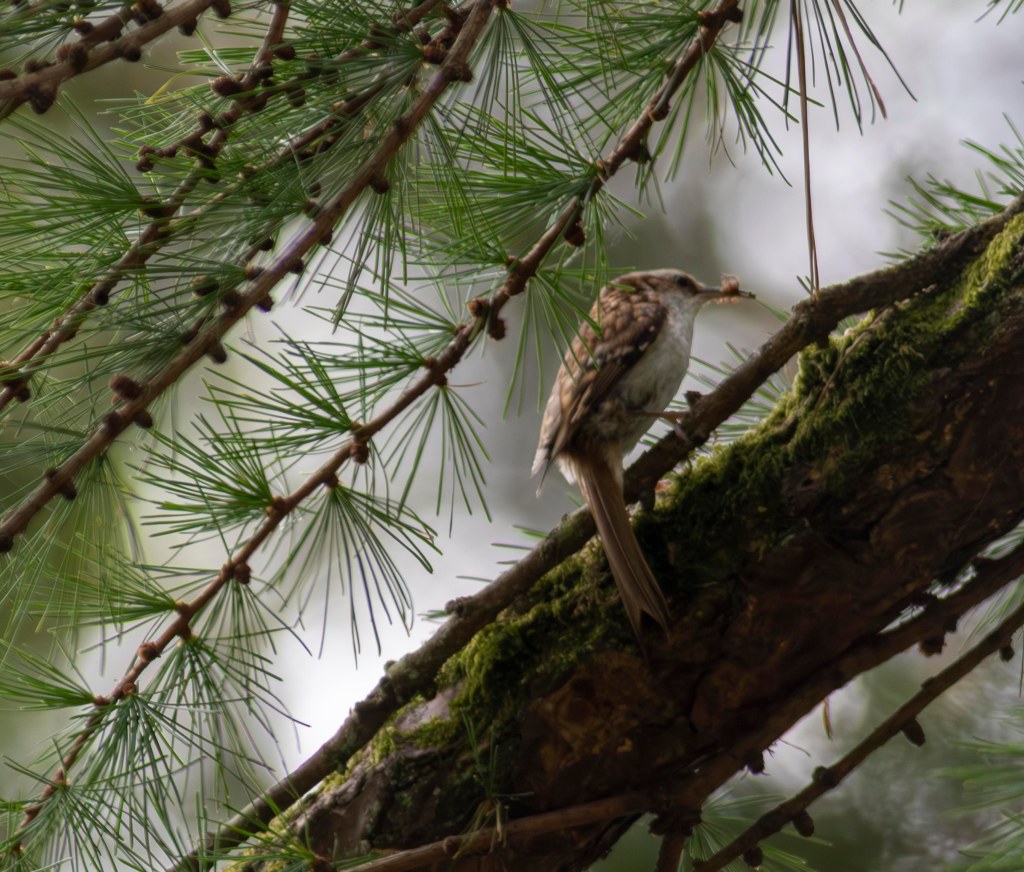
Our Ireland trip by the numbers: 13 days, 5 hotels, 2198 pictures and 22 videos, 1500 KM/1000 miles driven, 2 beer breweries, 2 whiskey distilleries, 33 birds identified and many of them photographed, and countless ruins. Rather than providing a comprehensive description of our vacation, I will share my highlights along with some random observations that surprised us. Click left or right on each photo to see others from that location. At the end of this post, I provide a description of our itinerary and changes made during the trip.

Random Observation: I forgot some of my medicine. ☹ I printed my two prescriptions from my Italian doctor (who sends these via email) and took it to a pharmacy in a small town. One of them was filled quickly and at a reasonable cost. The second was not available anywhere in Ireland, so I couldn’t get it filled at any pharmacy. I was able to stretch that medicine out and all was fine, but I was very impressed how the EU medical systems work together so easily across country boundaries.

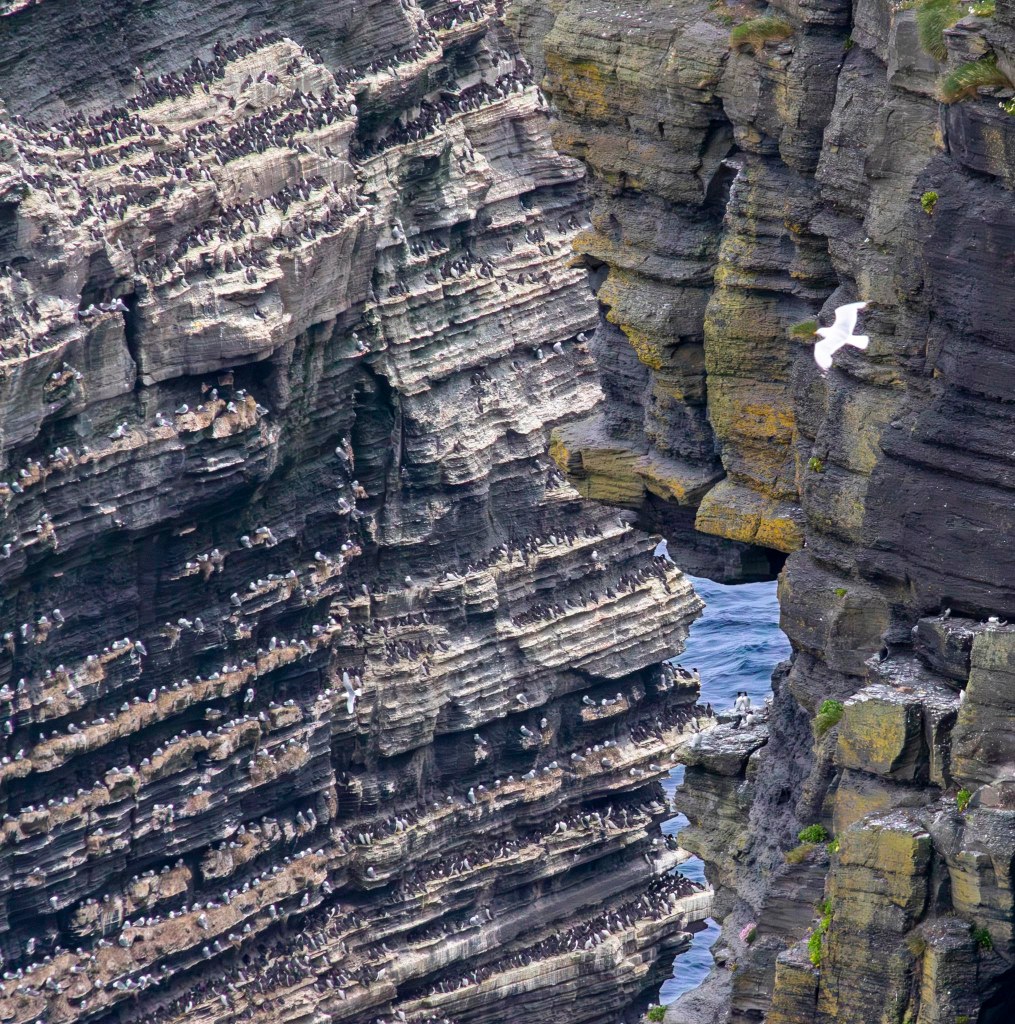
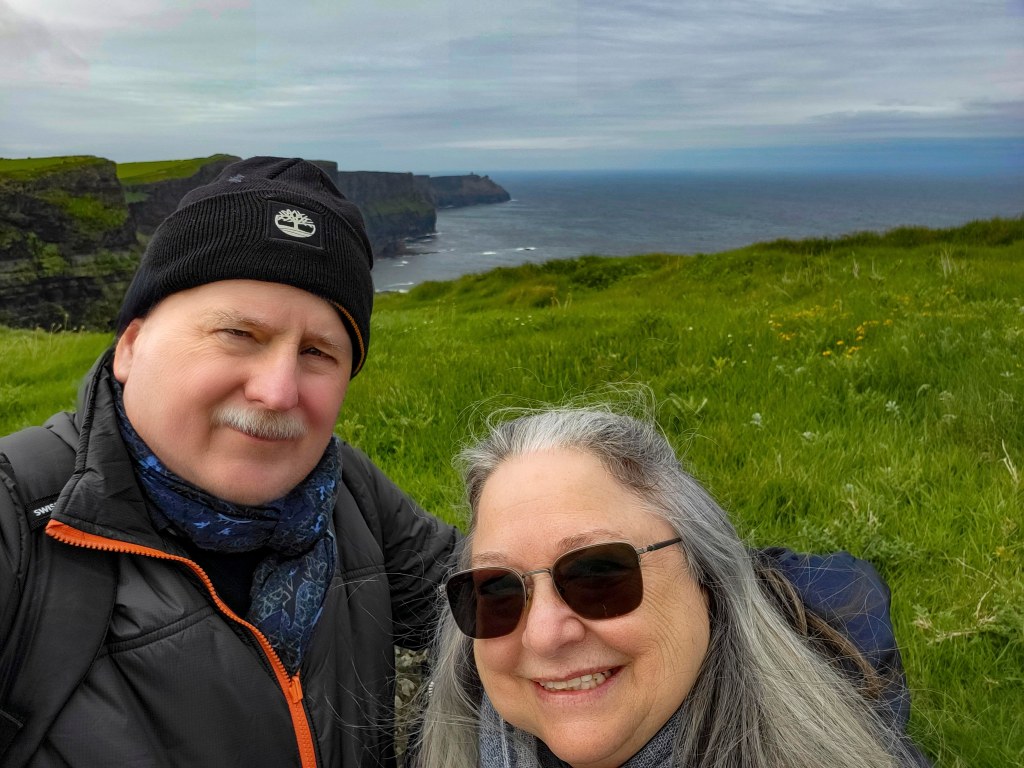
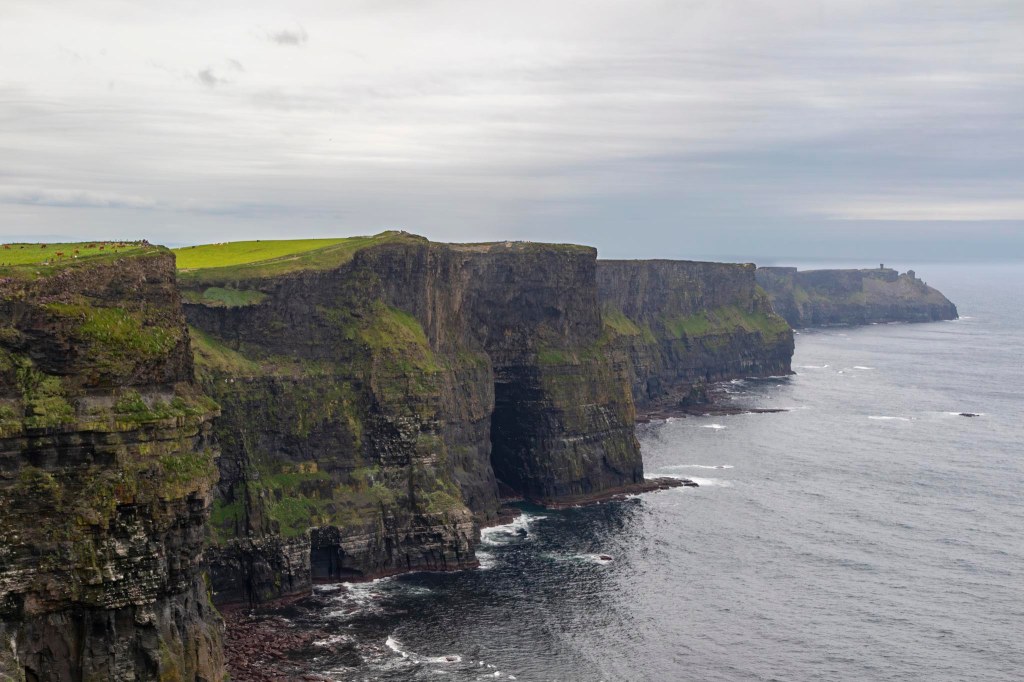
My favorite location was the Cliffs of Moher – the ocean, the green land, the birds and of course the cliffs. Together they were magical! The cliffs are 200 meters high and they run for 14 KM/9 miles. The scene in “Harry Potter and the Half-Blood Prince” in which Harry and Dumbledore venture to a cave in order to destroy a horcrux was filmed here!
Random Observation: The food is so hot! About half of the food served was so hot that we couldn’t eat it for five minutes or more. I like my food hot, but this seemed excessive. I burned my tongue twice.

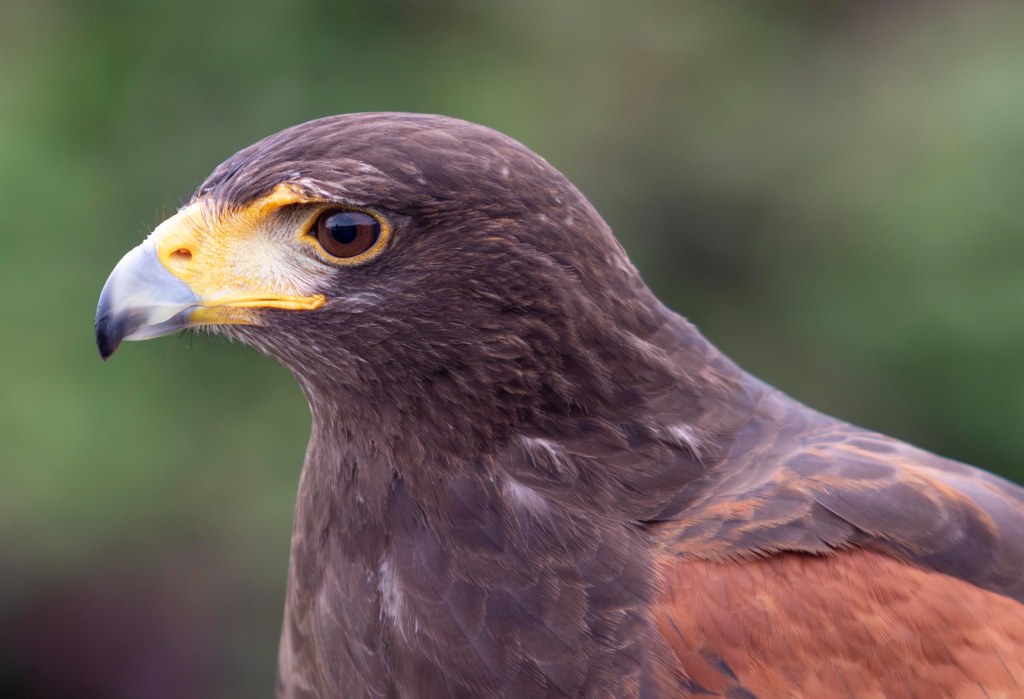
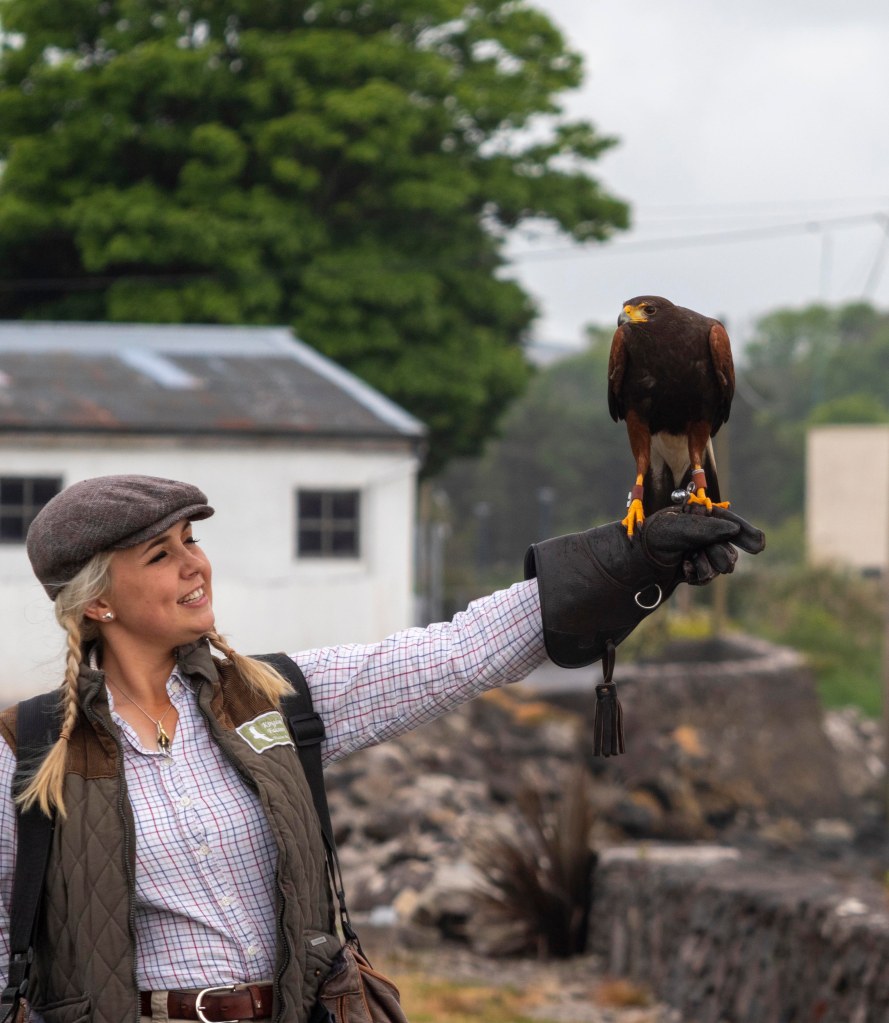
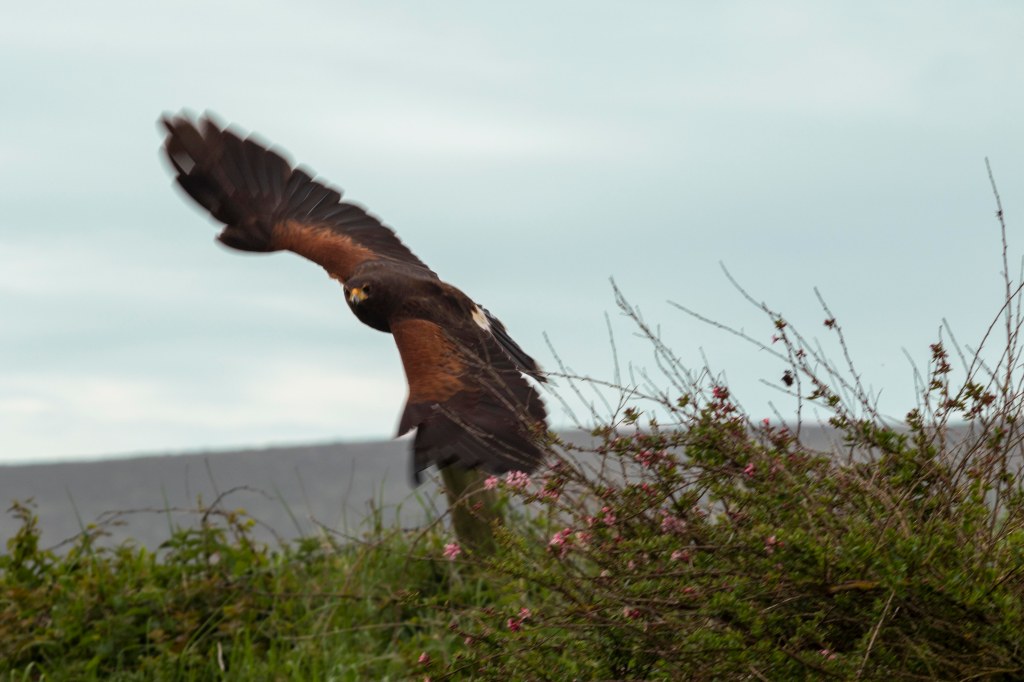
One of the touristy things to do in Ireland is to participate in a falcon or hawk walk. We choose a Private Hawk Walk with Kingdom Falconry in Dingle, Ireland. We spent an hour with Emily, a very experienced birder and falconer, talking all things birds. We spent most of the time with one Harris Hawk then had a walk through their aviary to see their other birds of prey. Click on this link to see a video of “our” hawk flying to me.

Random Observation: We drove on many tiny roads, often for long distances. They typically have only one lane (but two-way traffic) with no space on the left between the vehicle and the stone wall, bush, trees, or signs. But speed limits are high; the most common speed limit was 80 KM/hour or 50 MPH. I didn’t get used to it – I learned to look away from the obstacles on the left.

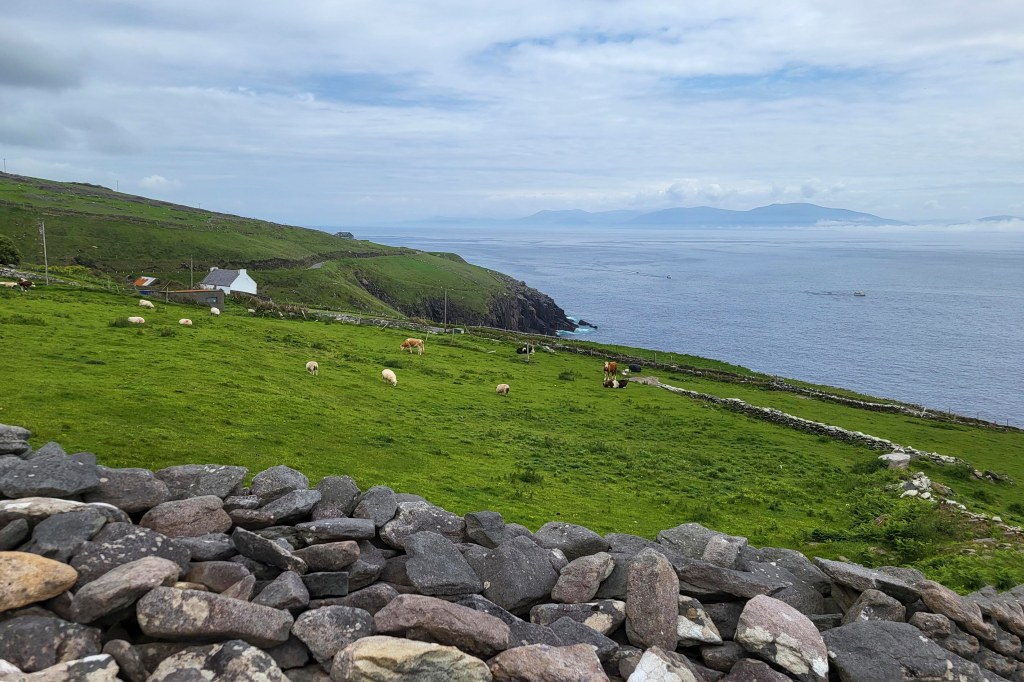
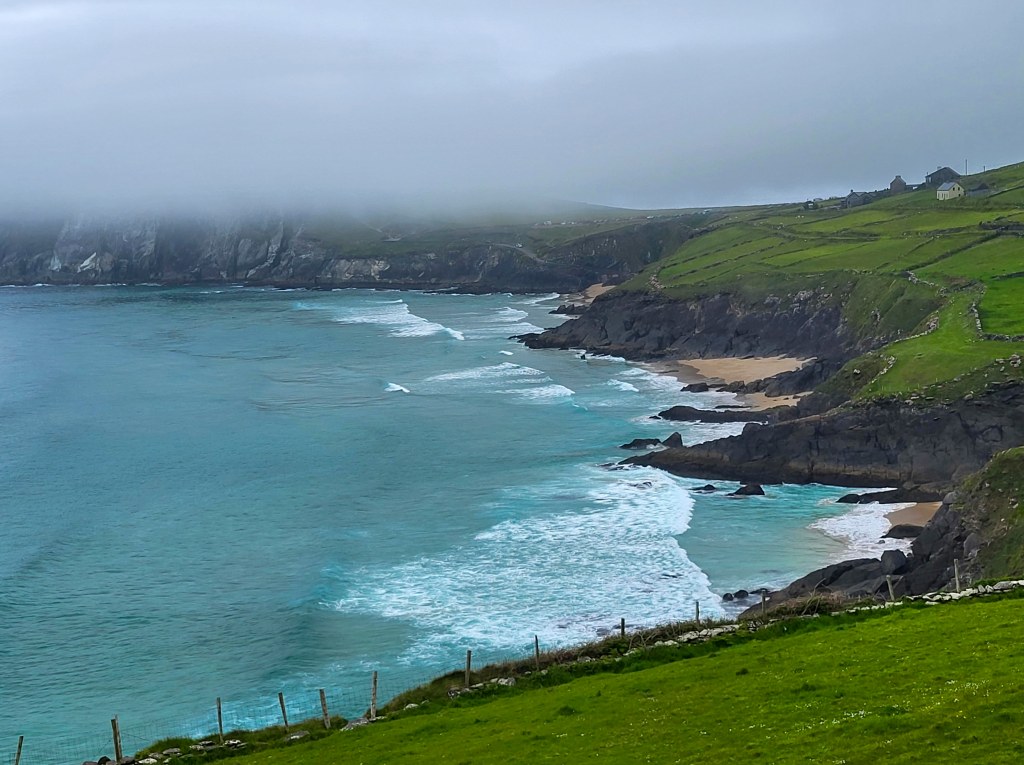
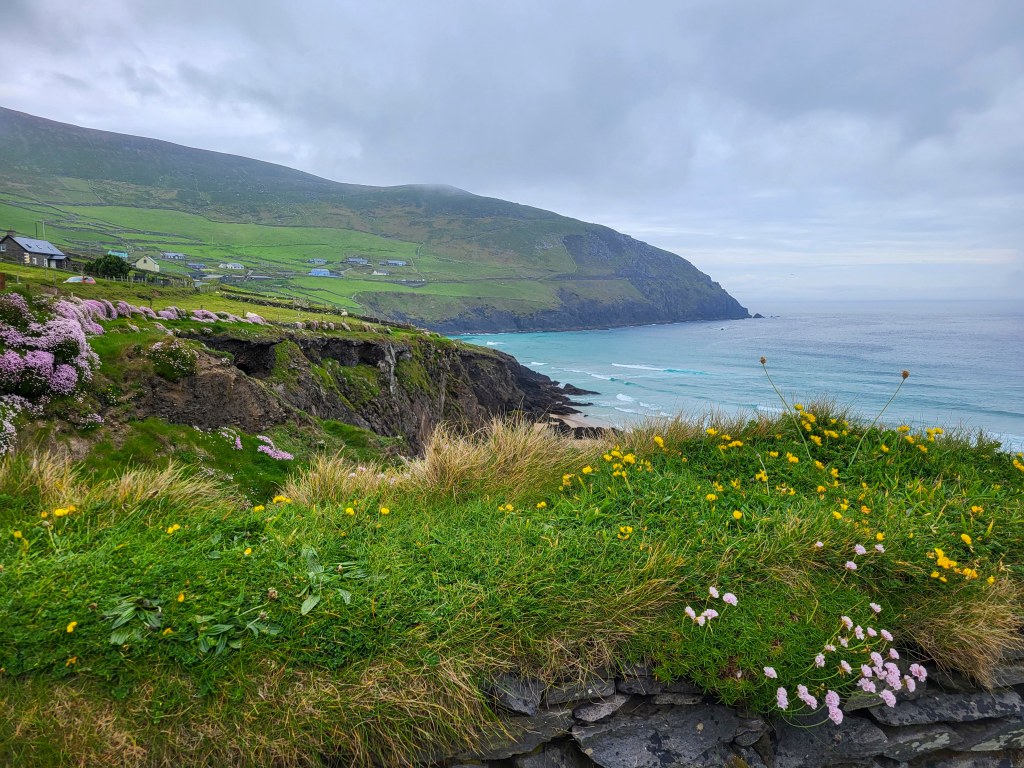
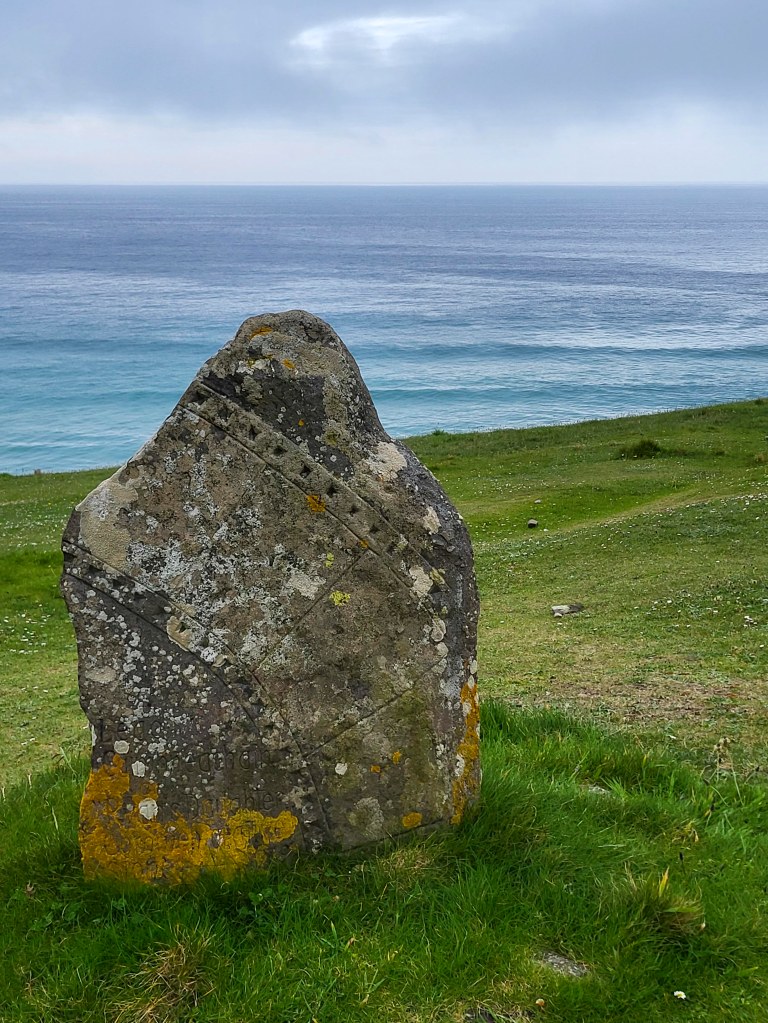
The Dingle Peninsula, on Ireland’s southwest Atlantic coast, is ringed by sandy beaches and craggy cliffs. Inland are rolling hills and mountains populated with interesting historic points, tourist stops, farms, many cows and many many sheep. The Slea Head Loop goes around the peninsula and is only 50 KM / 30 miles but the idea is to stop lots of times at beautiful vistas, ruins from prior civilizations, and everywhere in between. Most people take 3 hours… after 4 hours, we decided to skip the last few stops that I planned. Star Wars – The Last Jedi was partially filmed on this peninsula.

Random Observation: They had laundry machines at some gas stations! You just pulled up your car, loaded the washing machine, moved it to the dryer and drove off within the hour with clean clothes. So easy and fast but not cheap…

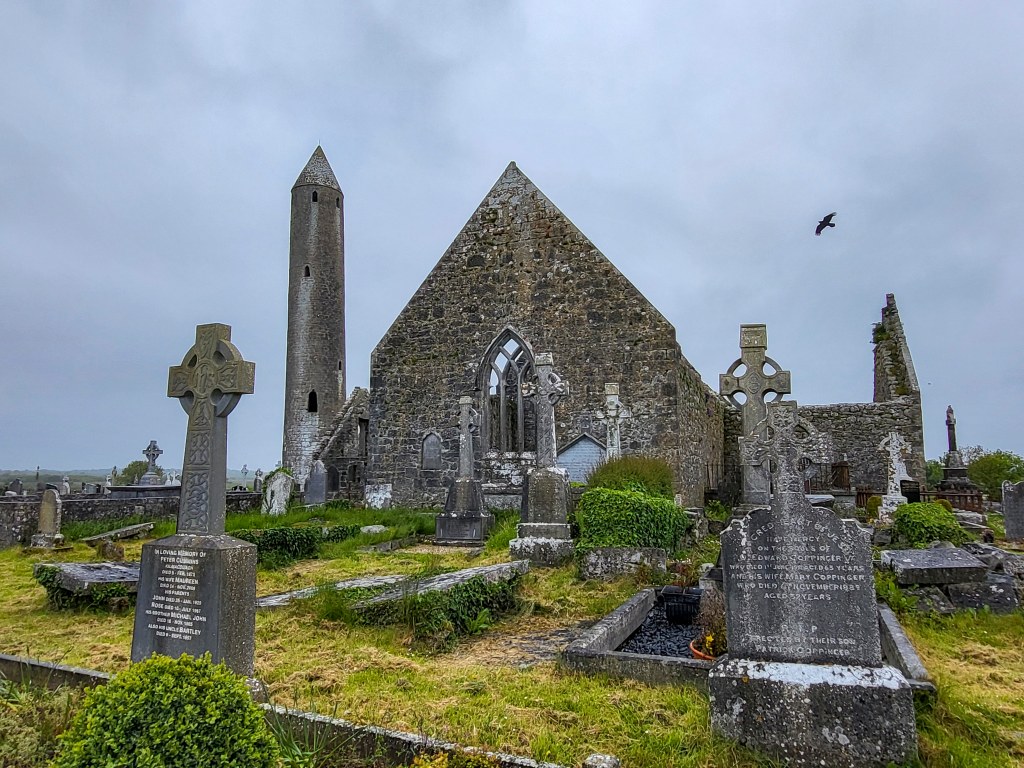
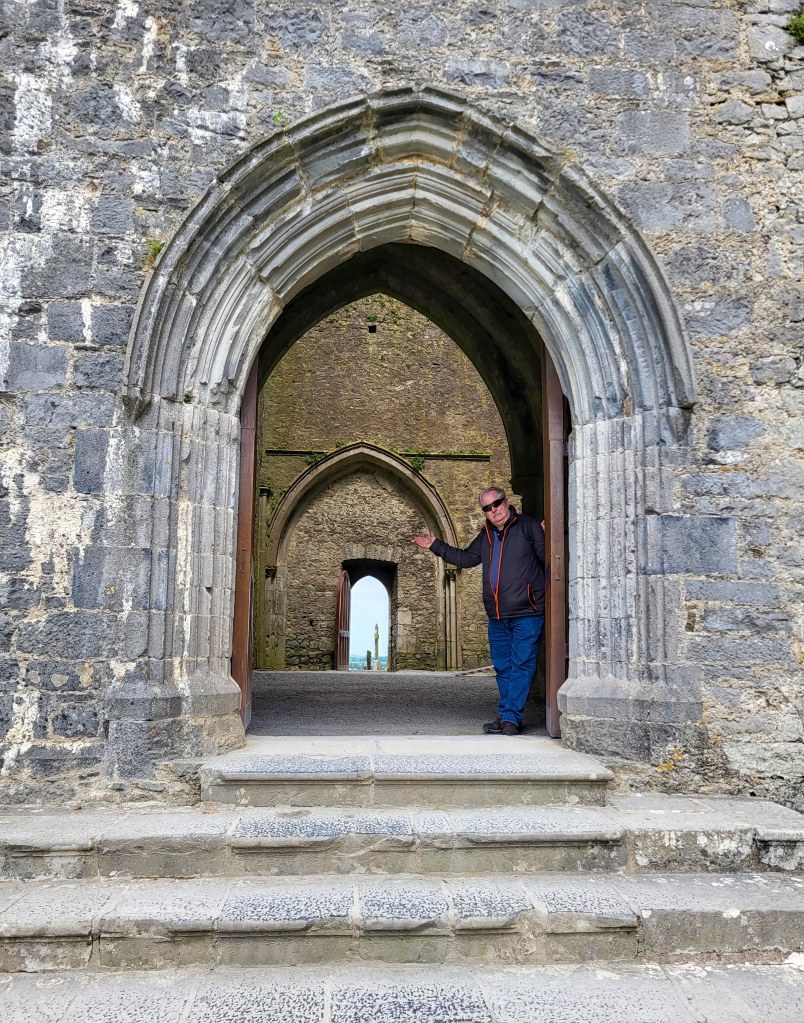
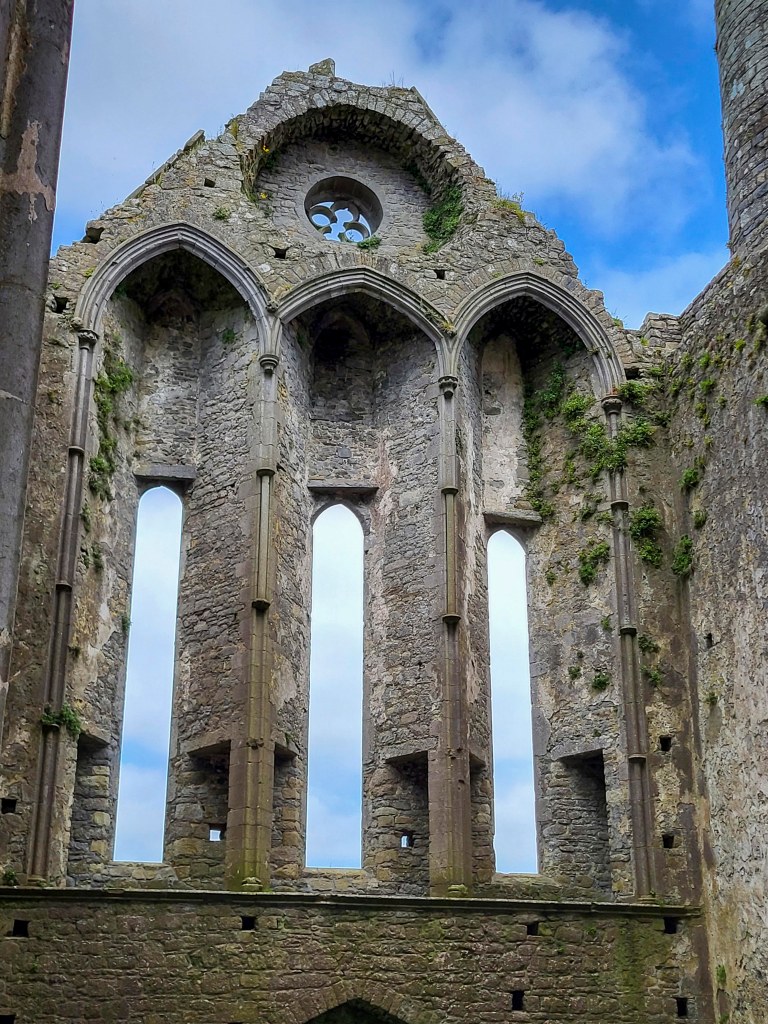
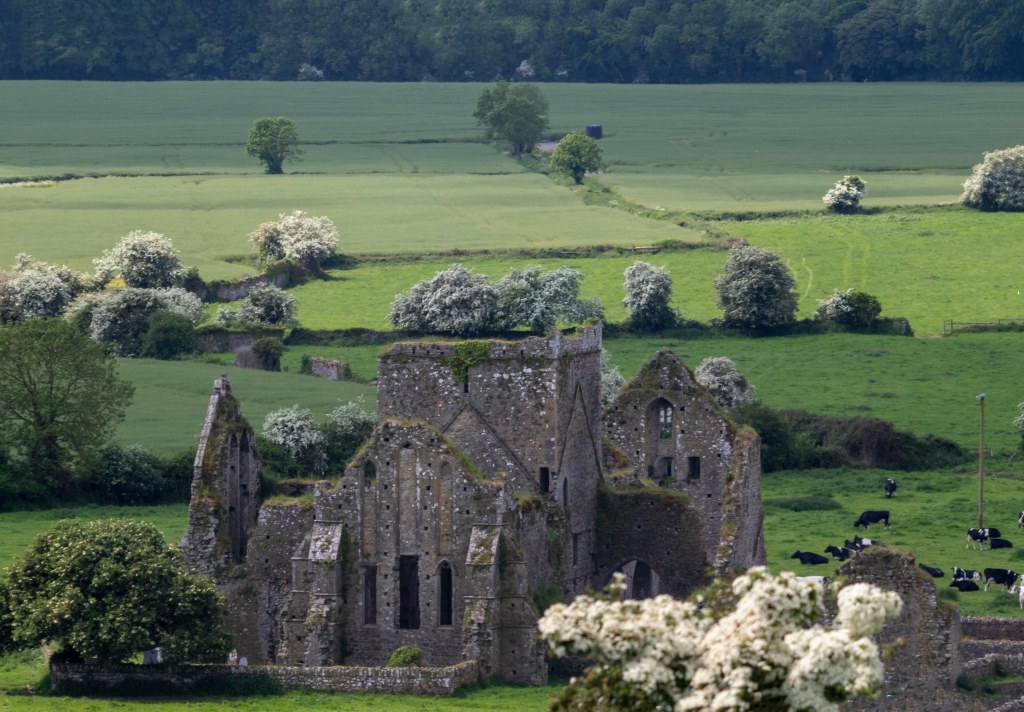
There are numerous ruins across the Irish countryside, including cathedrals, monasteries, castles, small churches, round towers, and many unidentifiable buildings. Some of the biggest, such as the Rock of Cashel, are considered national treasures with pre-booked timed tickets, guided tours, and souvenirs galore. Others simply have signs that describe what you are seeing and provide brief histories. And then there are the unmarked but still striking ruins that you can wander through with only your own imagination. We stopped at so many that we skipped one of our planned stops – another ruined monastery, no thanks!

Random observation: We stayed at five different hotels (yuck!) but I was surprised at the ease of check in and check out. Mostly I just said my name and they gave me a key. No forms, no passport checks, no receipts on checkout. I asked one person about it and they said “Well, you said your name and the name is on my list, so it seems likely that it is you!” So different from Italy where a passport is always required along with receipts and papers galore!

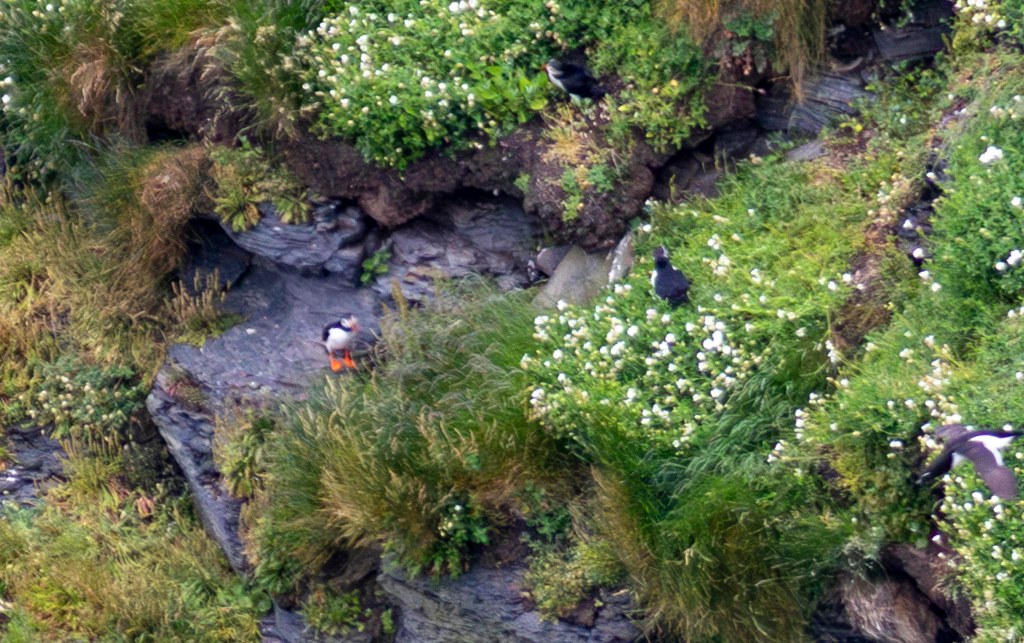
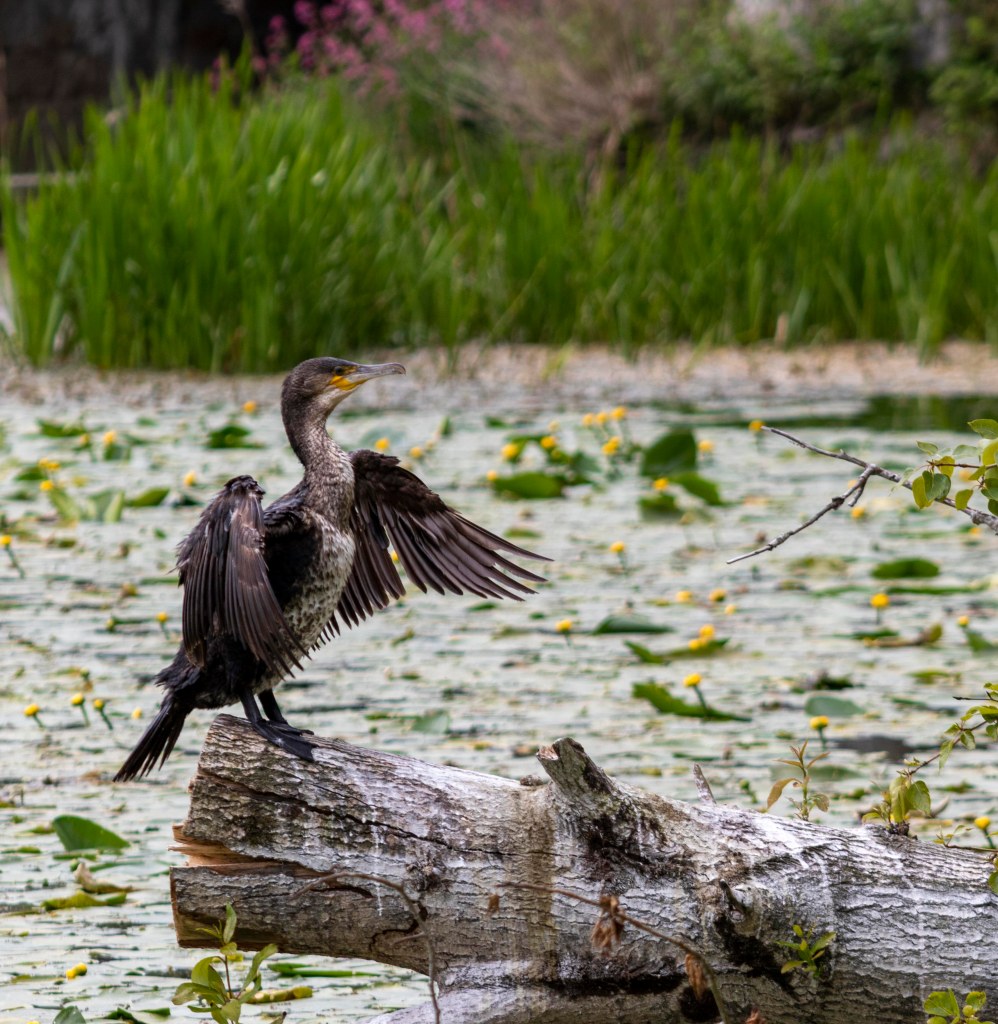
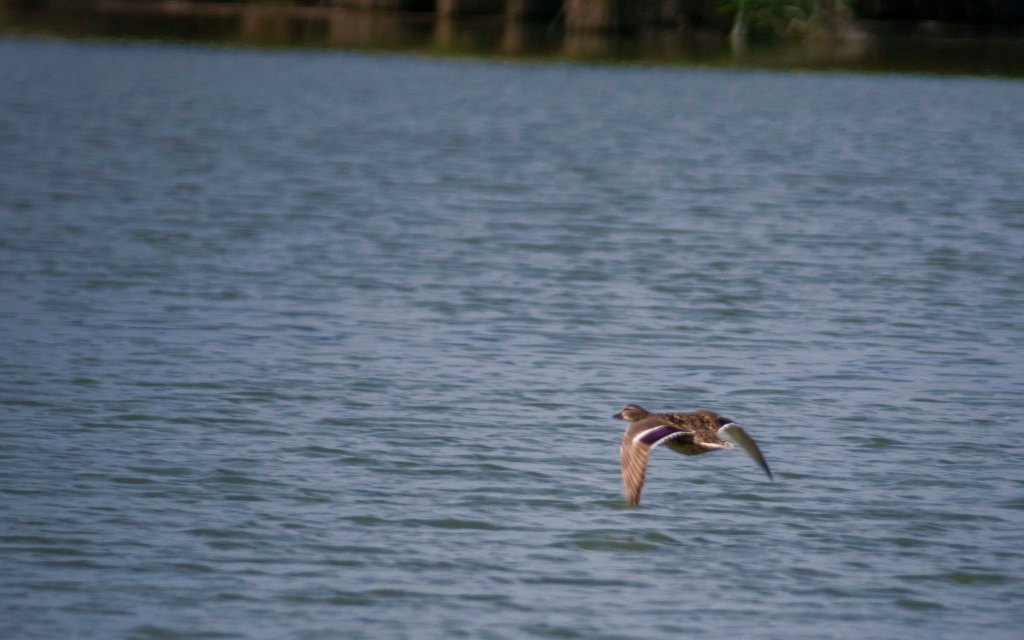
Throughout the trip Jim and I were on the lookout for birds. We didn’t have any specific birding activities, but took our binoculars and my “birding” lens whenever we wandered into birdy areas. We discovered several new species for us as well as many that we were already familiar with. It’s been a while since I did any bird photography so this was a fun additional activity for me.

Random Observation: Very few crosswalks in larger city, smaller towns, and the countryside! So, people crossed wherever they wanted to, whenever they wanted to. In Italy, the crosswalks are frequent and well-marked; people can cross at anytime and drivers are required to always stop.

We saved Dublin for last. Dublin is the capital of the Republic of Ireland and is well known for pubs, the Temple Bar area, breweries, and whiskey distilleries. We did all of that, but also learned more about Ireland’s difficult history during walking tours and museum visits.

Random observation: Water pressure in the showers was great! The owner of one of the B&Bs we stayed at had the perfect explanation: “We have lots of water.”  With all that rain, they don’t feel the need to limit it for showers and other usages. In fact, they have pumps in their plumbing system to increase the water pressure. I’m going to miss this!

Trip Itinerary and more

Here’s the day-by-day high-level plan:

DateFocus of the DayActivities
Tuesday, 16 May 2023Welcome to IrelandFly from Pisa to Dublin (17:30 to 19:20). Rent car at Dublin airport and head to Slane, close to Bru na Boinne for our first night.
Wednesday, 17 May 2023Prehistory and first castleVisit Bru na Boinne, one of the world’s most important prehistoric landscapes. Visit Trim Castle, the largest, best-preserved & most impressive Anglo-Norman castle in Ireland. Drive to Doolin, close to the Cliffs of Moher.
Thursday, 18 May 2023Cliffs of Moher and BurrenDrive to the dramatic Cliffs of Moher. Then explore the rocky moonscape of the Burren to learn about its unique ecosystem and hardy prehistoric residents.
Friday, 19 May 2023Heading to the Dingle PeninsulaDrive towards Dingle Peninsula. Along the way, stop to visit County Limerick’s lovely village of Adare, brimming with thatched cottages and flower gardens. Stay in Tralee, central to all of the nearby attractions.
Saturday, 20 May 2023The Dingle PeninsulaExperience some of Europe’s wildest natural beauty and most ancient Christian sites. Start the day in Dingle, the pastel-painted, quintessentially Irish harbor town. In Dingle, visit Kingdom Falconry for their private bird of prey activity. Then take the driving tour of the famous Slea Head Drive, one the most beautiful road in Ireland. Stop to tour the strikingly situated Great Blasket Centre, to get a close-up look at the language, literature, and daily life of a traditional Gaelic Blasket community.
Sunday, 21 May 2023Killarney National ParkVisit Killarney National Park to see forests (Ireland’s largest), mountains, and lakes. At the Slane Sheep Farm, watch sheepdog demonstrations, where sheepdogs gather the sheep in the mountainous terrain of the farm and herd them into a sheep yard – if demonstrations are offered this day.
Monday, 22 May 2023The Rock of CashelDrive from Tralee to Kilkenny. Stop to tour one of Ireland’s most historic and evocative sights: the Rock of Cashel. St. Patrick himself was here more than 1,500 years ago, and ever since, the Rock has been the spiritual heart of Ireland. Arrive at our beautiful country estate for two relaxing nights.
Tuesday, 23 May 2023KilkennyTake an orientation walk through the medieval town center and visit Kilkenny Castle, a symbol of Norman occupation since the 12th century. Take a walk through its restored Victorian interiors and extensive parklands.
Wednesday, 24 May 2023Glendalough and Powerscourt gardensVisit Glendalough, Ireland’s most impressive monastic settlement with the iconic Round Tower, ruined churches, and the lakes that give Glendalough its name. Then visit Ireland’s best aristocratic gardens at the Powerscourt Estate and see the nearby waterfull. Return car to Dublin airport and head into Dublin.
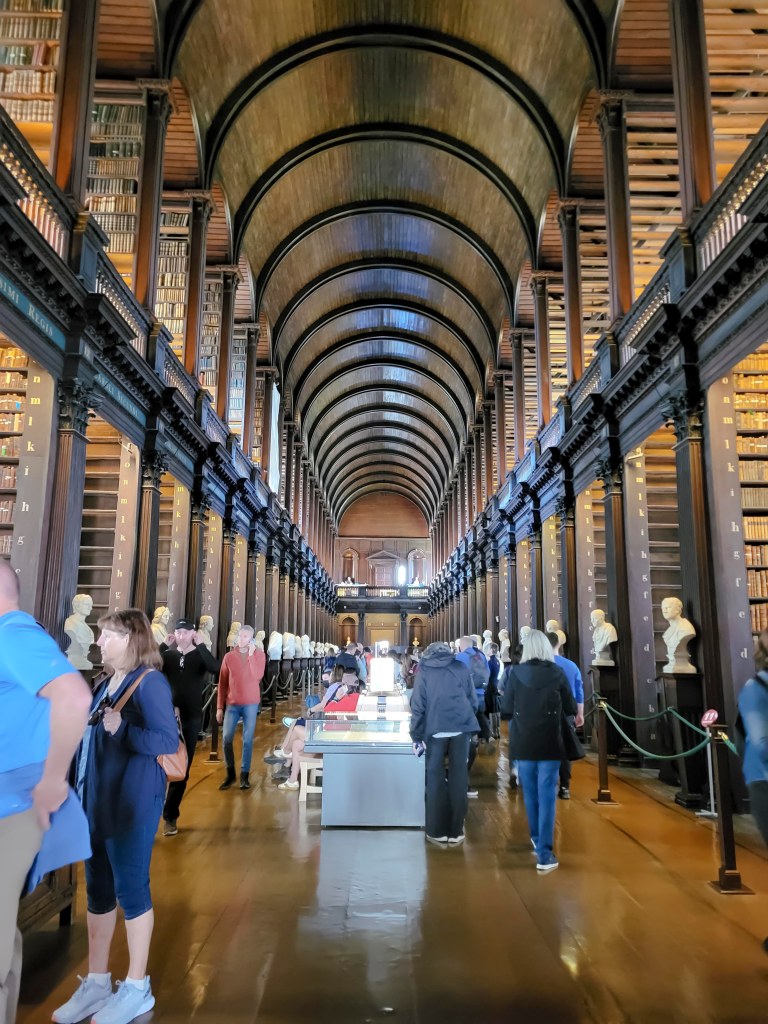
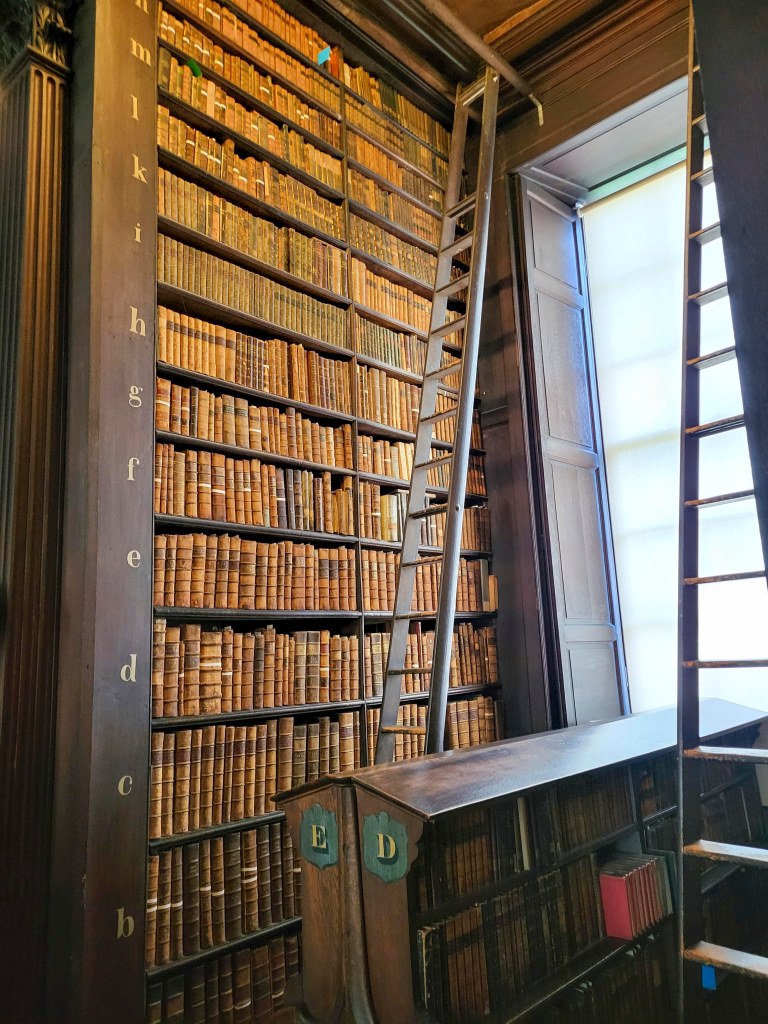
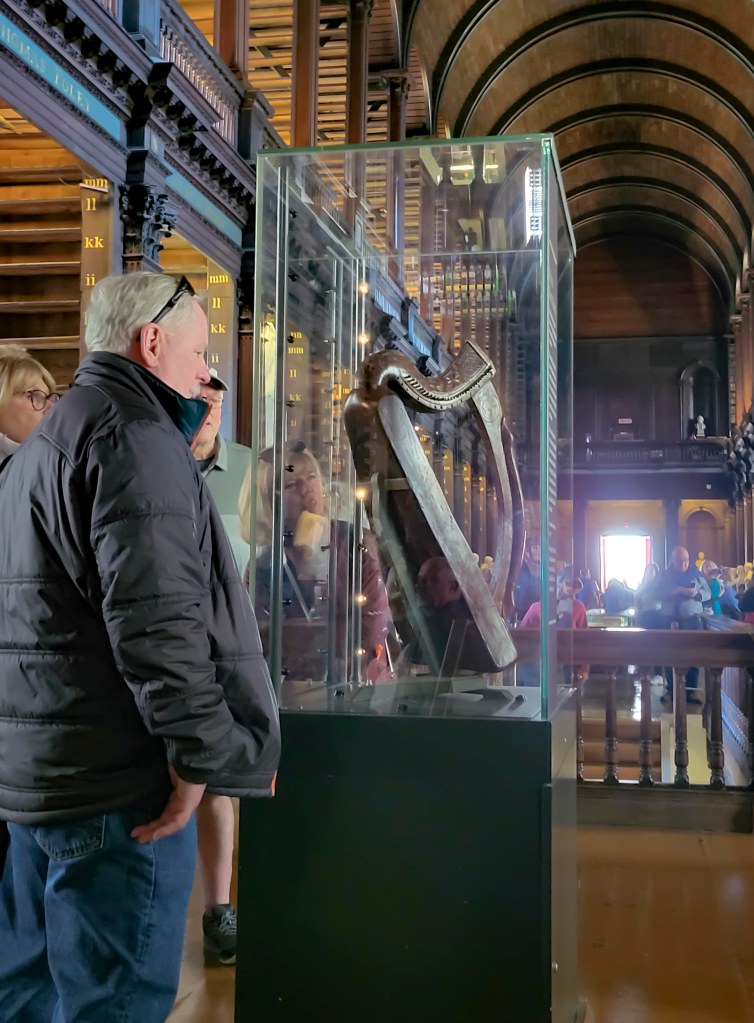
Thursday, 25 May 2023Dublin Day 1 – History and CultureStart our Dublin visit at Trinity College for an illuminating look at the remarkable Book of Kells, a beautiful illustrated copy of the Bible’s Gospel books and see the college’s Old Library. Take a historical walking tour through Dublin learning about the city’s often-calamitous history, from the days of Viking raids to the hard centuries of British occupation to its remarkable literary legacy to the modern city of today. Then visit Dublin Castle, the seat of British power in Ireland for 700 years.
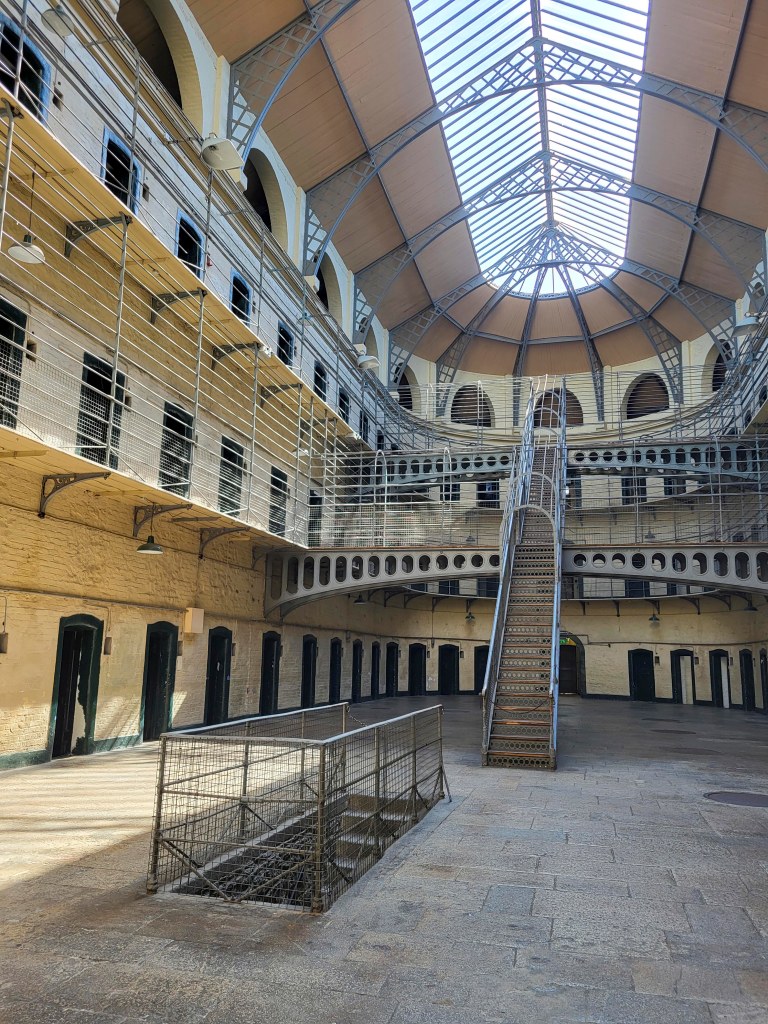
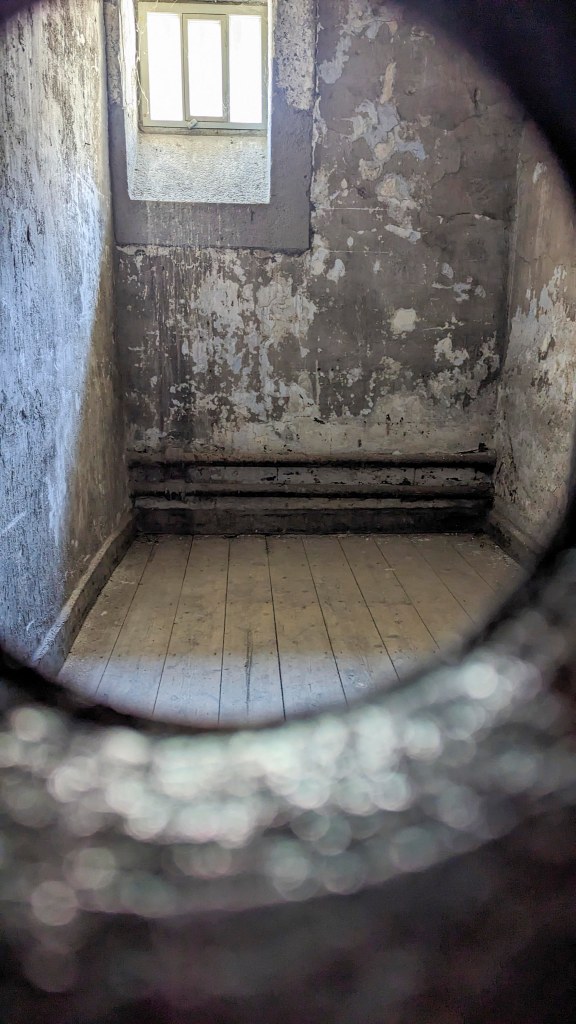
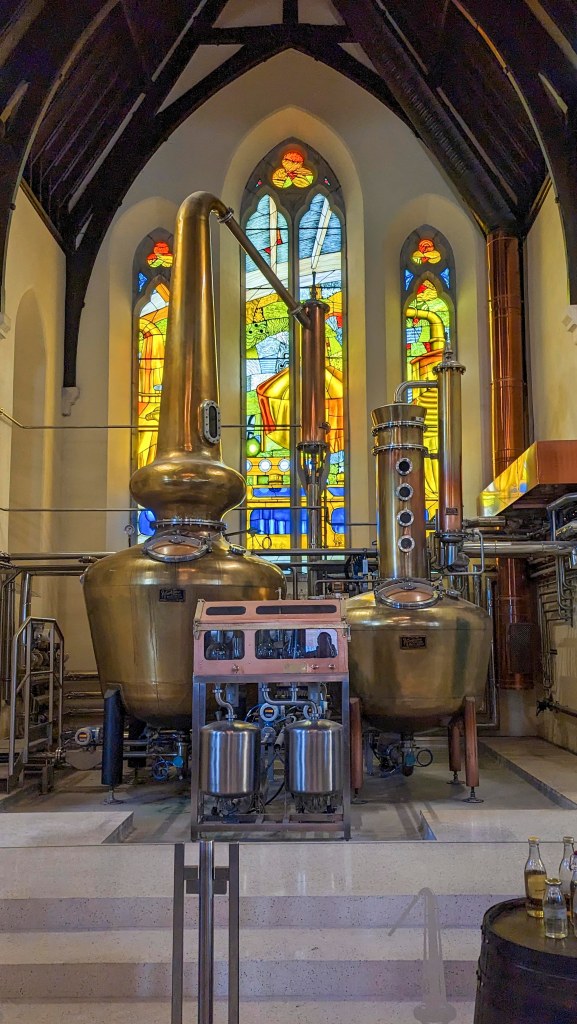
Friday, 26 May 2023Dublin Day 2 – The Gaol and DrinksStart the day at Killmainham Gaol, where many of the leaders of independence rebellions were detained and executed in the jail, but many ordinary citizens, including children, were incarcerated here, too. Then shift our focus for a visit to the Guinness Storehouse then the Pearse Lyons distillery. In the evening we visit the famous Temple Bar area.
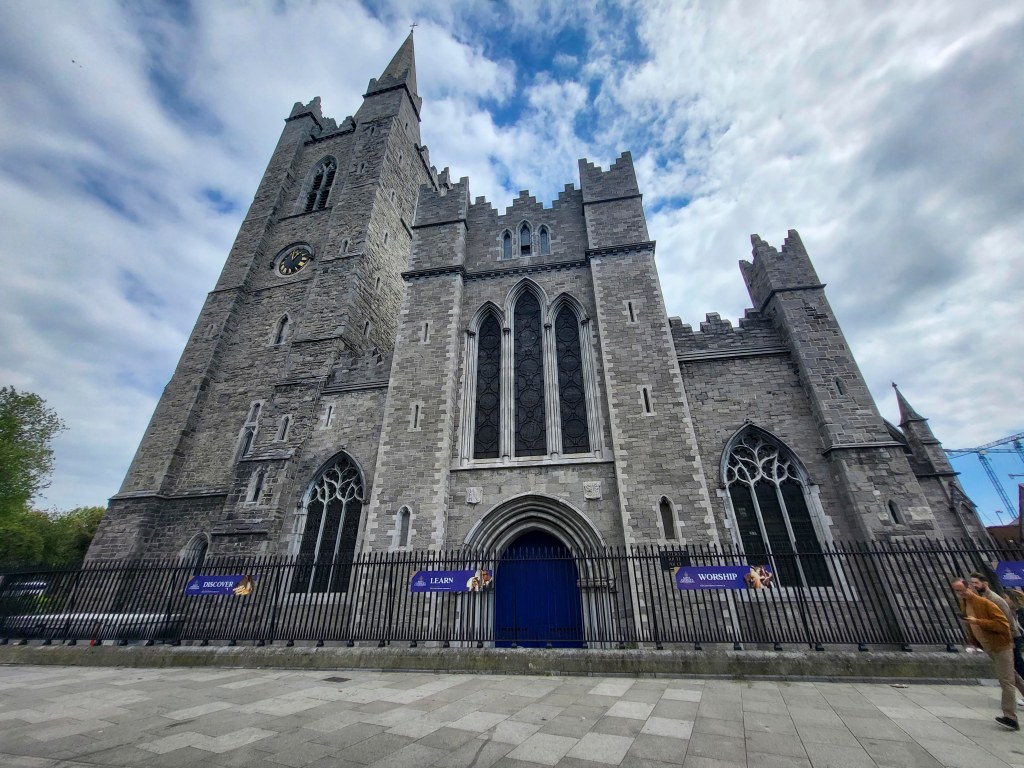
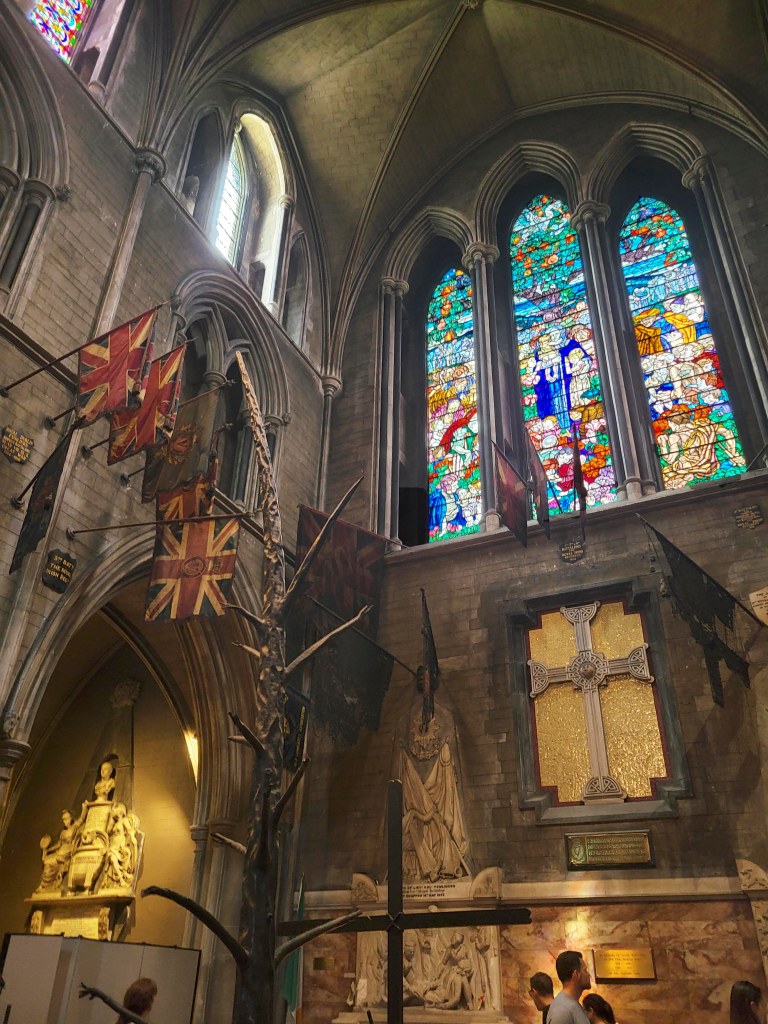
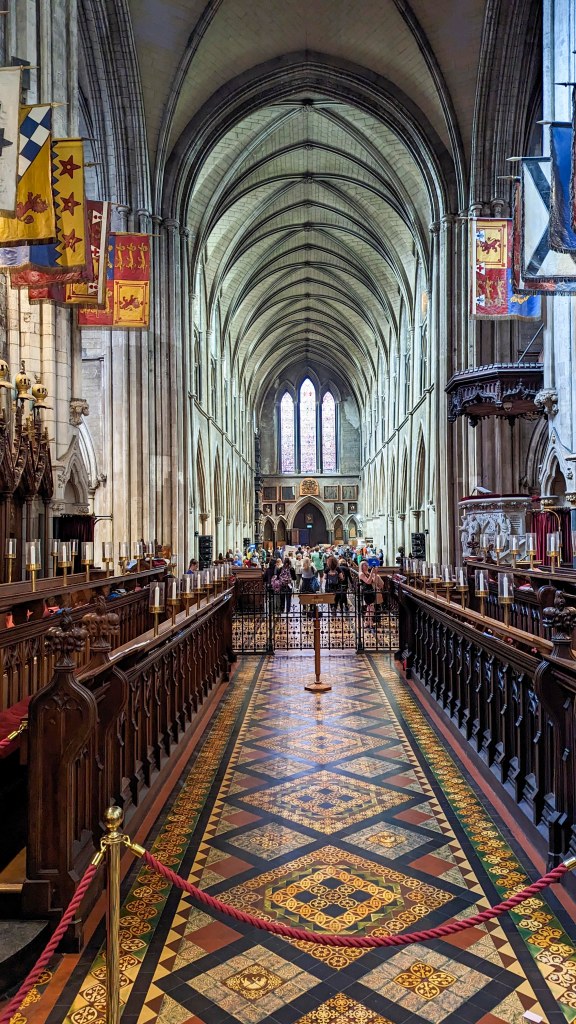
Saturday, 27 May 2023Dublin Day 3 – MuseumsWe will start at the National Archaeological Museum which specializes in Irish and other antiquities dating from the Stone Age to the Late Middle Ages. Then visit EPIC The Irish Emigration Museum, a highly interactive museum that covers the history of the Irish diaspora and emigration to other countries. Visit St. Patrick’s Cathedral, the national cathedral of Ireland.
Sunday, 28 May 2023Return to beautiful LuccaWe have time in Dublin in the morning to squeeze in any other activities, then start our journey home to Lucca. Fly from Dublin to Pisa. We arrive late in the evening so a driver picks us up and bring us to Lucca.

My goal was to not be rushed… I generally planned two or three activities for each day. And then we cut out some activities (indicated with strikethrough above). It was nice to have activities that we could easily drop out of the plan; I wished that we didn’t have to pre-book so many reservations because this decreased our flexibility. And we moved around some of the activities in Dublin so that we could visit a second whiskey distillery.

We want to return to see the northern parts of the island and will likely visit Scotland on that trip as well.

Overall, we had a fabulous time – spending time in nature, learning so much history, being surrounded by people speaking English, and just enjoying the differences between Ireland and Italy. Before our trip I dug into my genealogy and learned about my Irish ancestors, including their names, when they traveled to America and some other tidbits. This added another dimension to the history – my ancestors emigrated to America due to the potato famine, along with millions of others.

Then we traveled home to Lucca and have re-started our day-to-day life here. A great trip, but this is “Home, Sweet Home”!

Unknown's avatar

La Foce, Etruscans, birding, and more for my Birthday trip

In 2015, I was planning our next trip to Italy and discovered La Foce, a beautiful villa and garden set in the valley called Val d’Orcia. I added it to our list of things to do, but we never made it there. The garden was opened only certain days and hours, and we just couldn’t squeeze it in. The next year, I tried again with a similar result. I’m not sure how many times I tried, but the logistics always got in the way. So as my birthday was approaching this year, I decided that we would visit La Foce. There is a Bed & Breakfast on site with a two-night stay required and a tour of that fabulous garden included. I booked it!

First stop: A very unique wine tasting

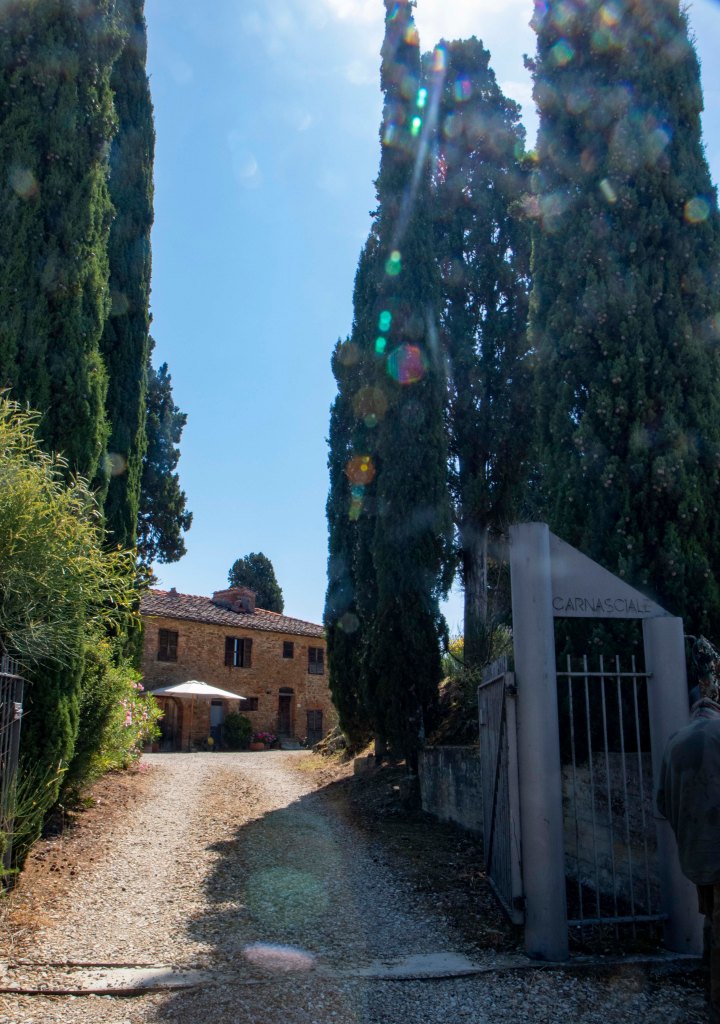
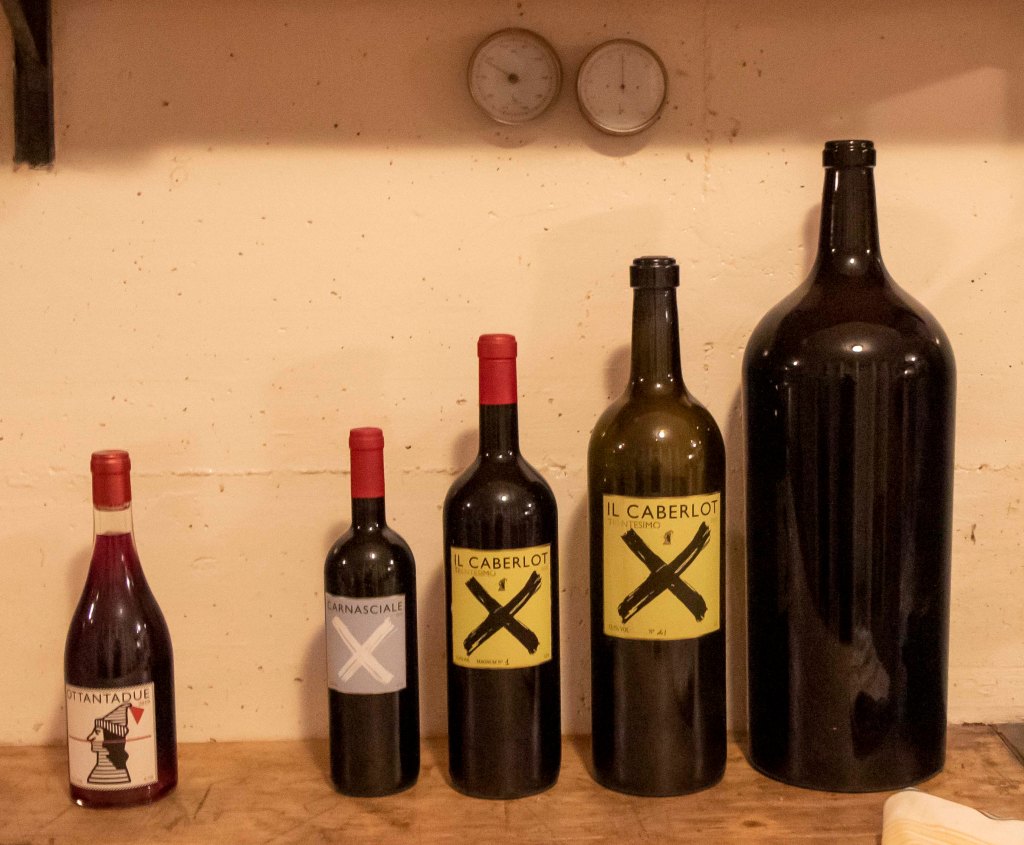
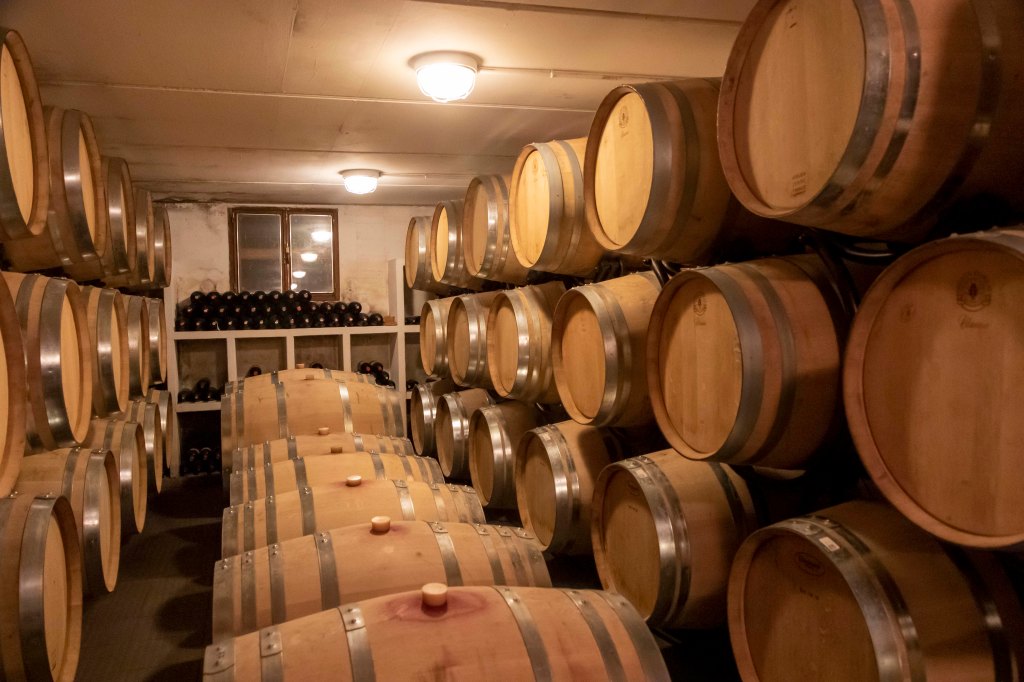
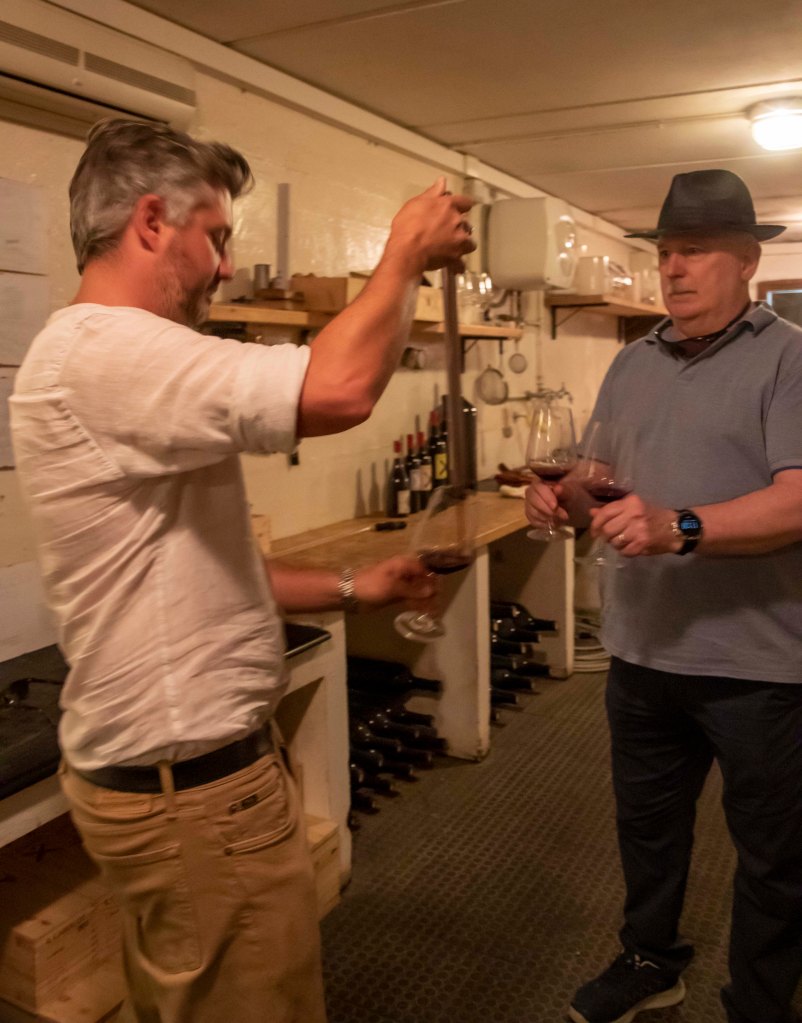
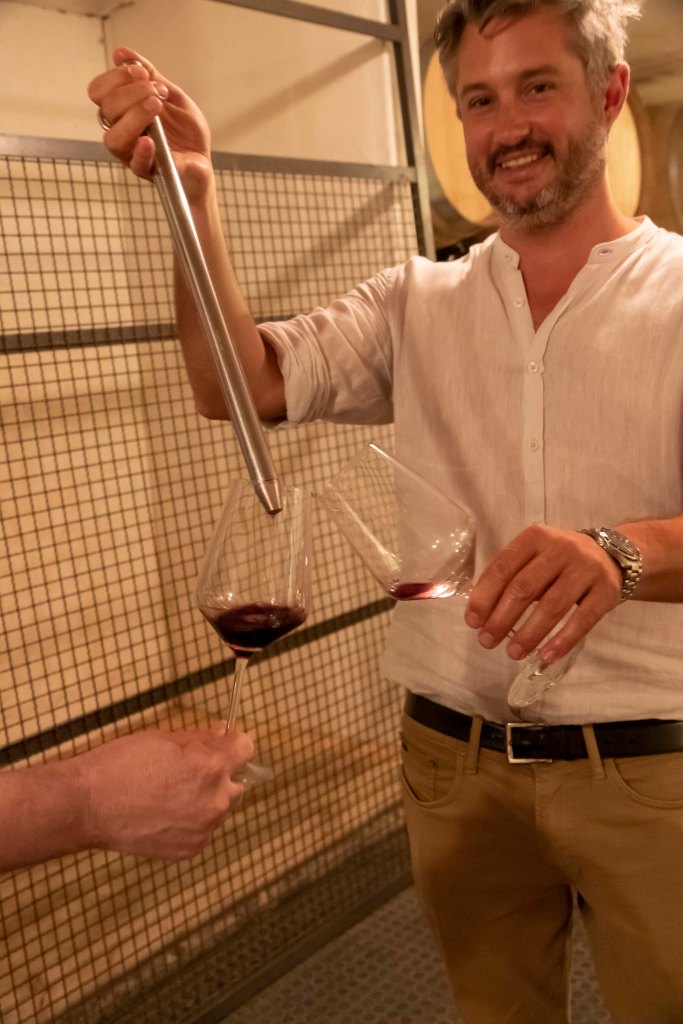
We left Lucca early on my birthday and drove 1.5 hours to our first stop – a winery called Podere Il Carnasciale. This is a very small “cult” winery that makes a thousand cases per year, using a very interesting grape called the Caberlot, a natural crossing between Cabernet Franc and Merlot. We met the winemaker at a nearby cemetery (you can’t make this stuff up!), and he led us on multiple gravel and dirt roads up the mountain. He showed us their oldest vines (planted in 1985) then led us to the barrel room. We didn’t do a traditional tour and tasting, but instead had our first ever barrel tasting. Their 2020 vintage is ready for bottling, so we tasting wine directly from 4 out of 6 barrels of their different vineyards of Caberlot. Although they were all Caberlot from the same year, it was interesting to smell and taste the differences that comes from different locations. What a cool experience! You can read more here.

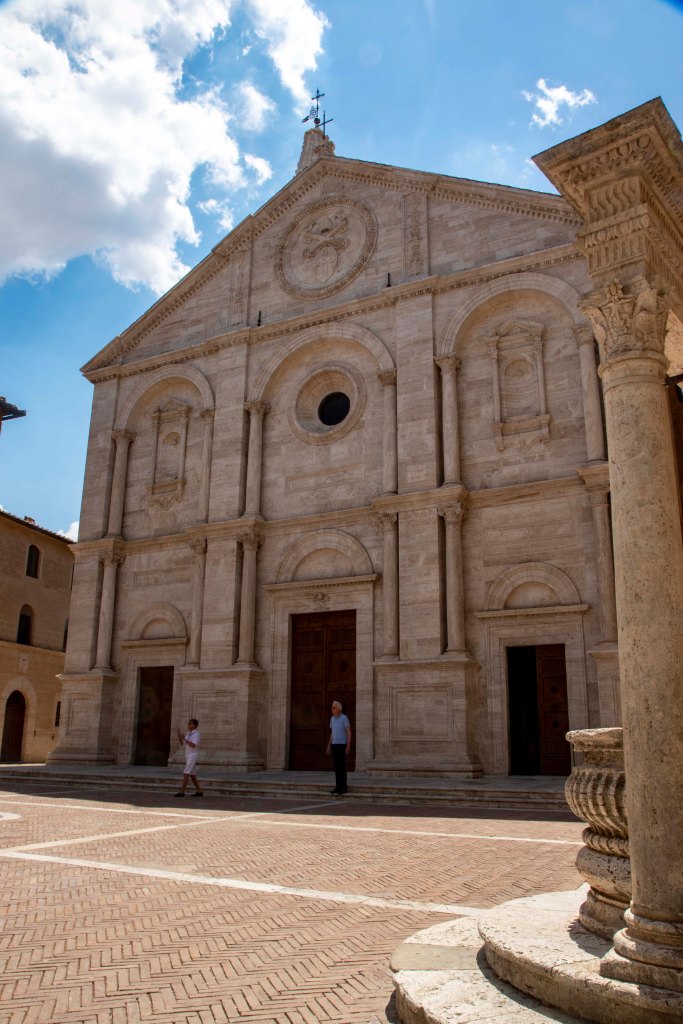
Pienza, hilltop town of Tuscany

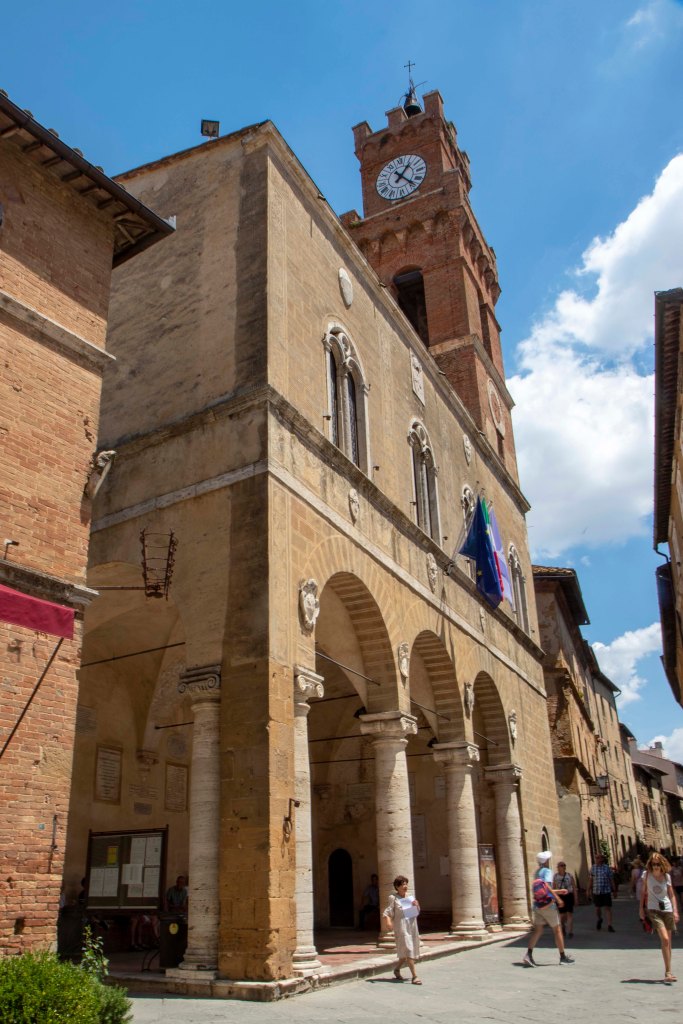
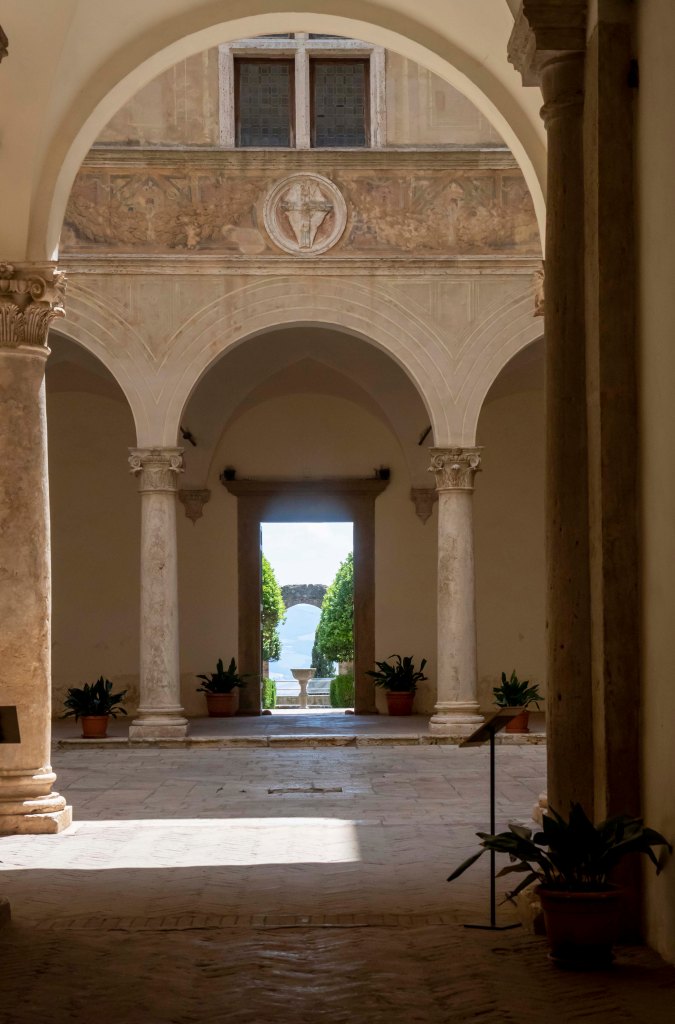
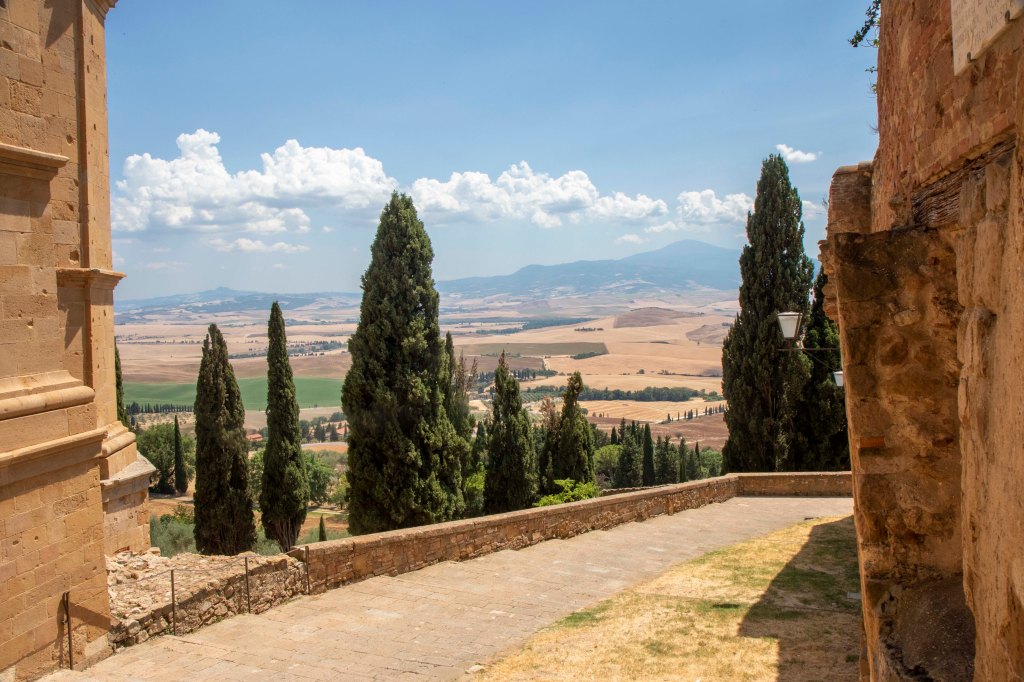
Pienza was a modest village until one of the villagers became Pope Pius II. He transformed his village into the “ideal city of the Renaissance” and we saw many tourists enjoying the atmosphere, sites, and panoramic views. In three years a central square was rebuilt with the Town Hall, the Papal Palace (Palazzo), and the Cathedral (Duomo).

La Foce – finally!

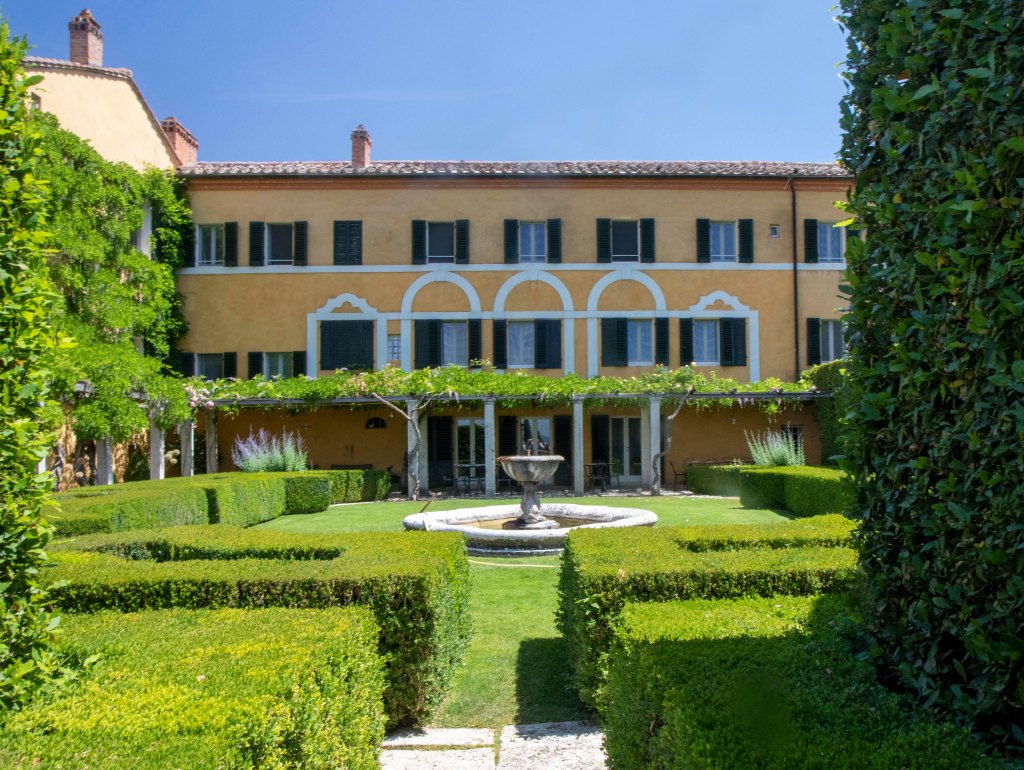
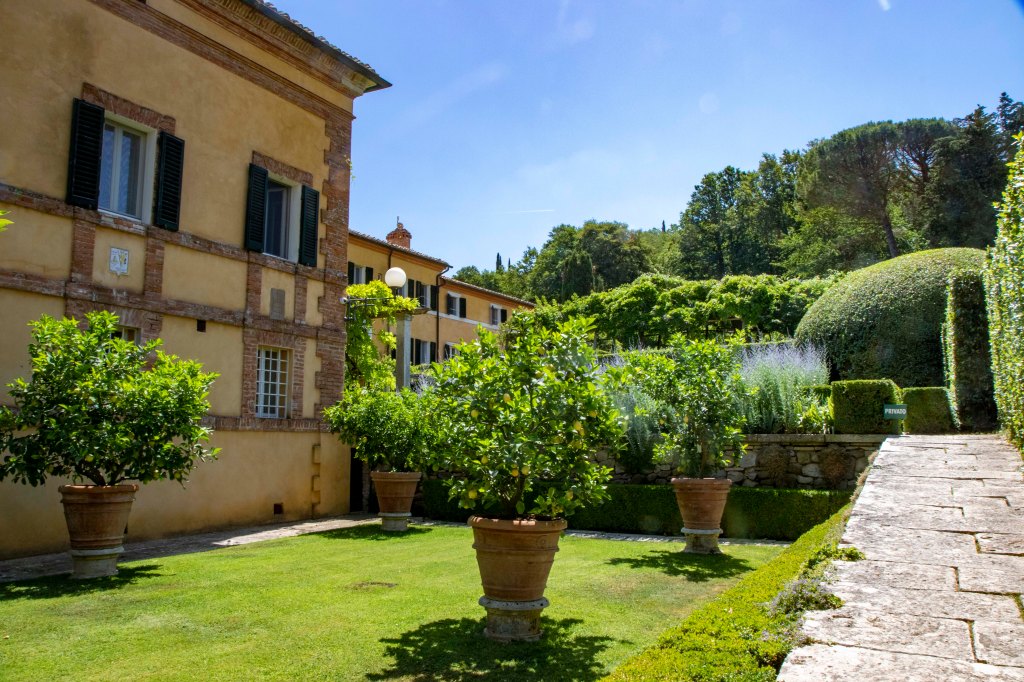
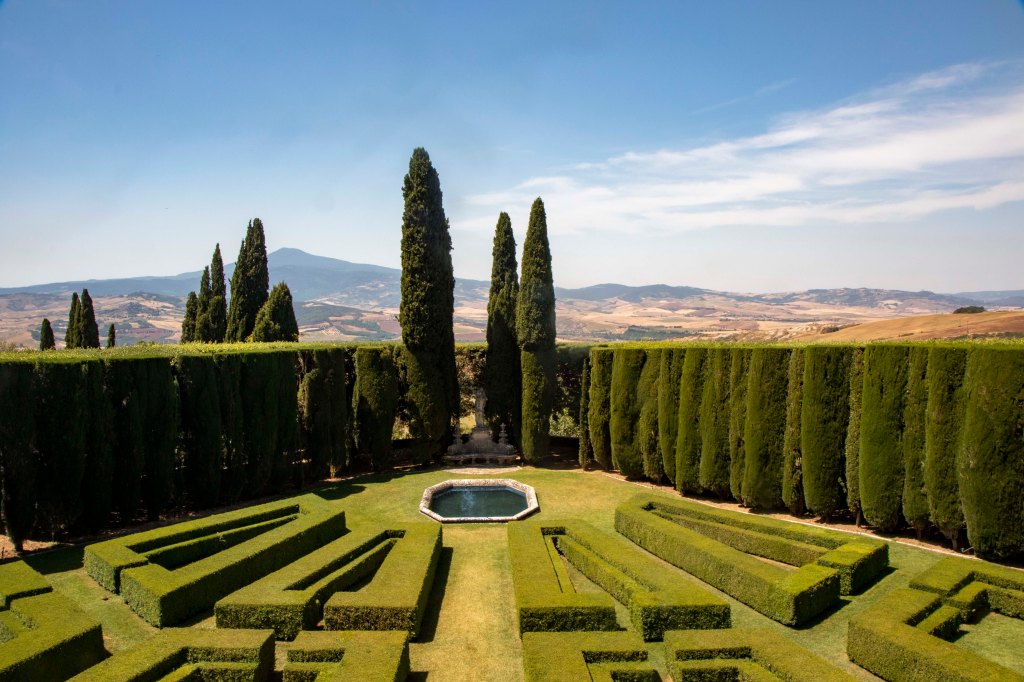
“La Foce is a large estate in the Southern Tuscan region of Val d’Orcia, midway between Florence and Rome. La Foce lies on the Via Francigena, the ancient road and pilgrim route running from France to Rome. It has been inhabited continuously for many centuries. The Villa was built in the late 15th century as a hospice for pilgrims and merchants traveling on the Via Francigena.

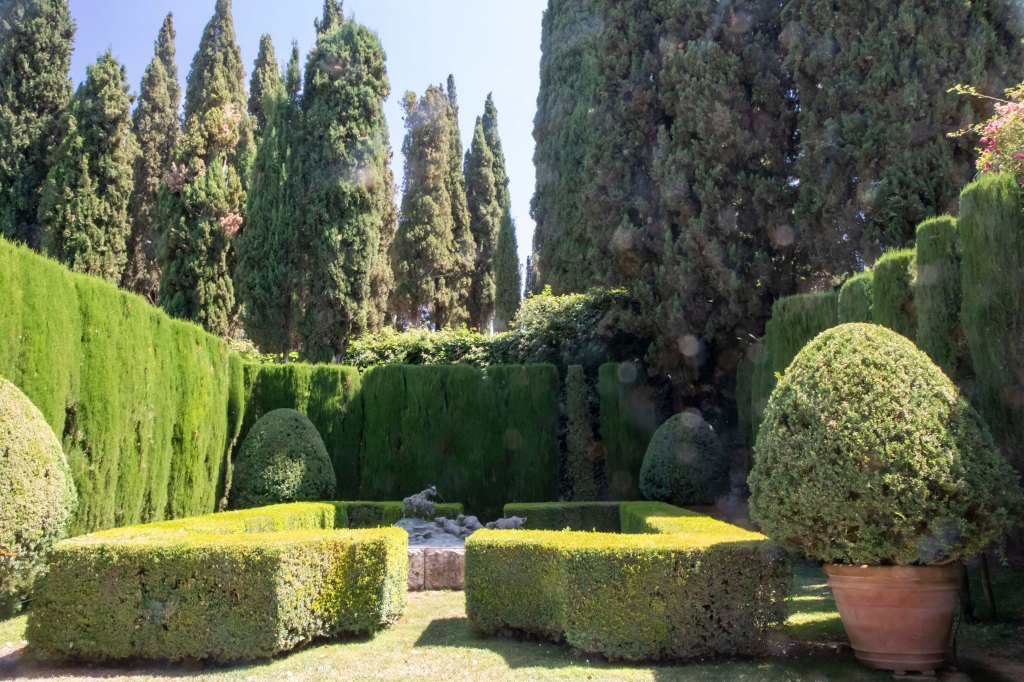
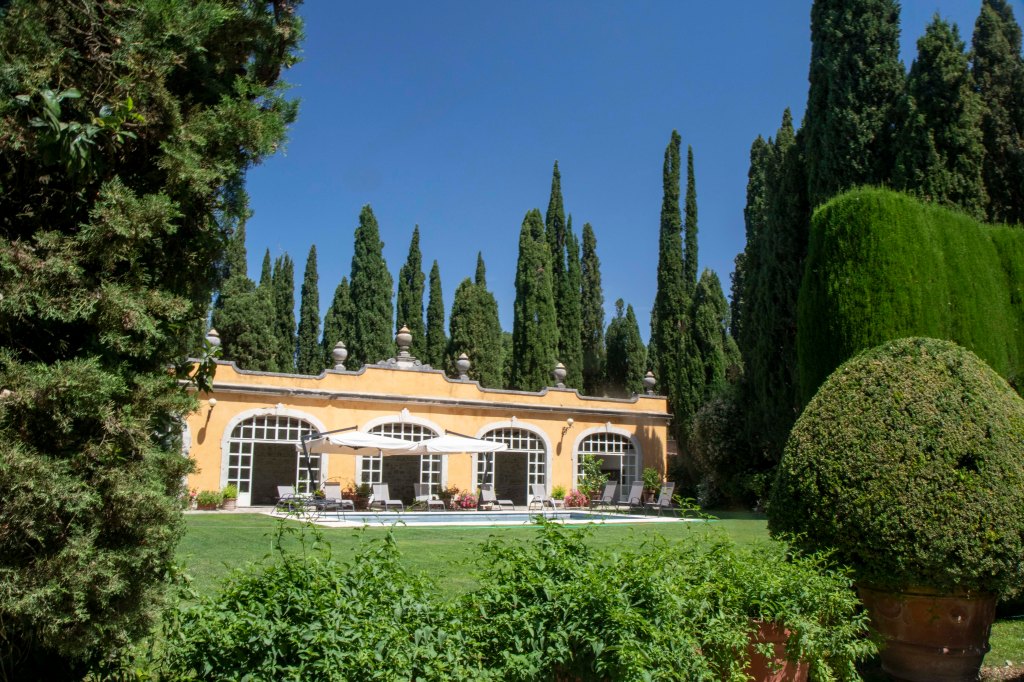
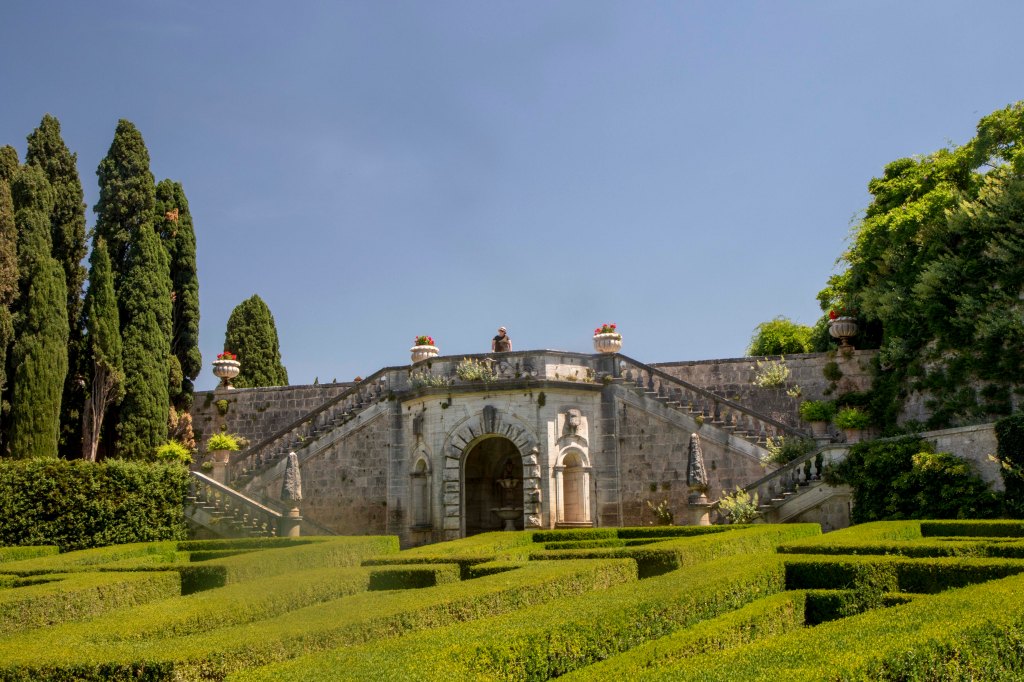
In 1924, Antonio and Iris Origo bought the dilapidated estate. The villa was restored by the Origos in the 1920s. The fine gardens were designed by the English architect Cecil Pinsent. The Origos employed 25 families and started a school to teach and ensure the well-being of some 50 local children. They also built 35 dwellings in the 1920s to 1930s for tenant farmers.

The book War in Val d’Orcia by Iris Origo is set at this estate, which at the time contained 57 farms on 7,000 acres. [The book is based on Origo’s diary during World War II and tells of the day-to-day experiences and struggles that occurred as the war was fought all around them. I read this book a few months ago.]

Descendants of the family still own the property today and operate it as a resort.” [excerpts from Wikipedia]

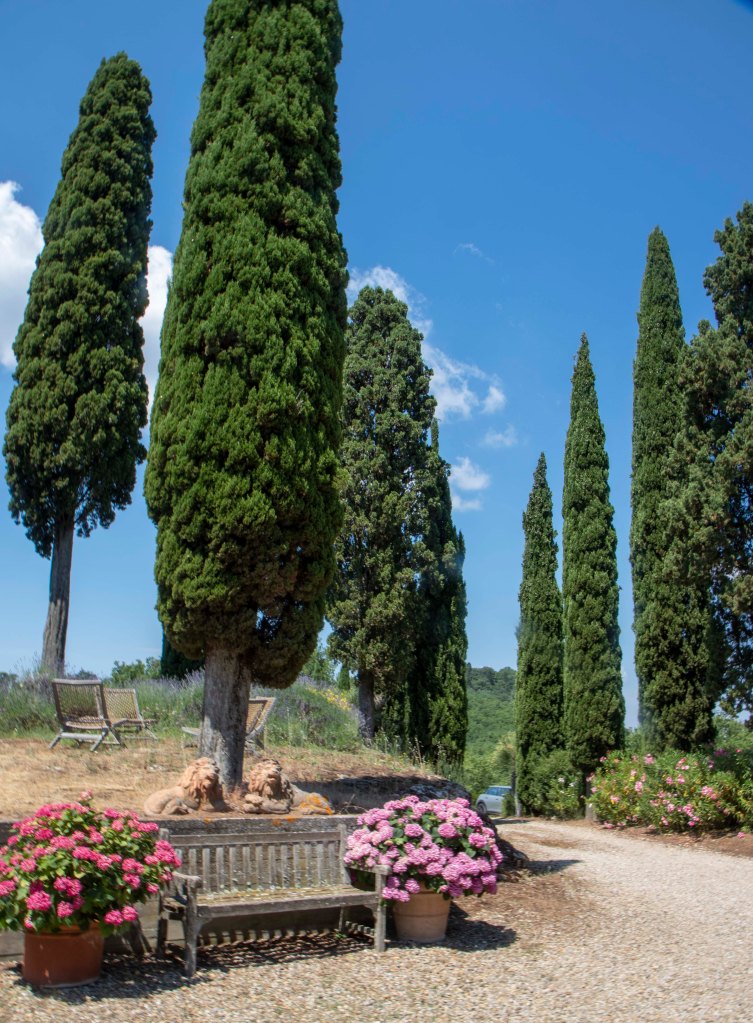
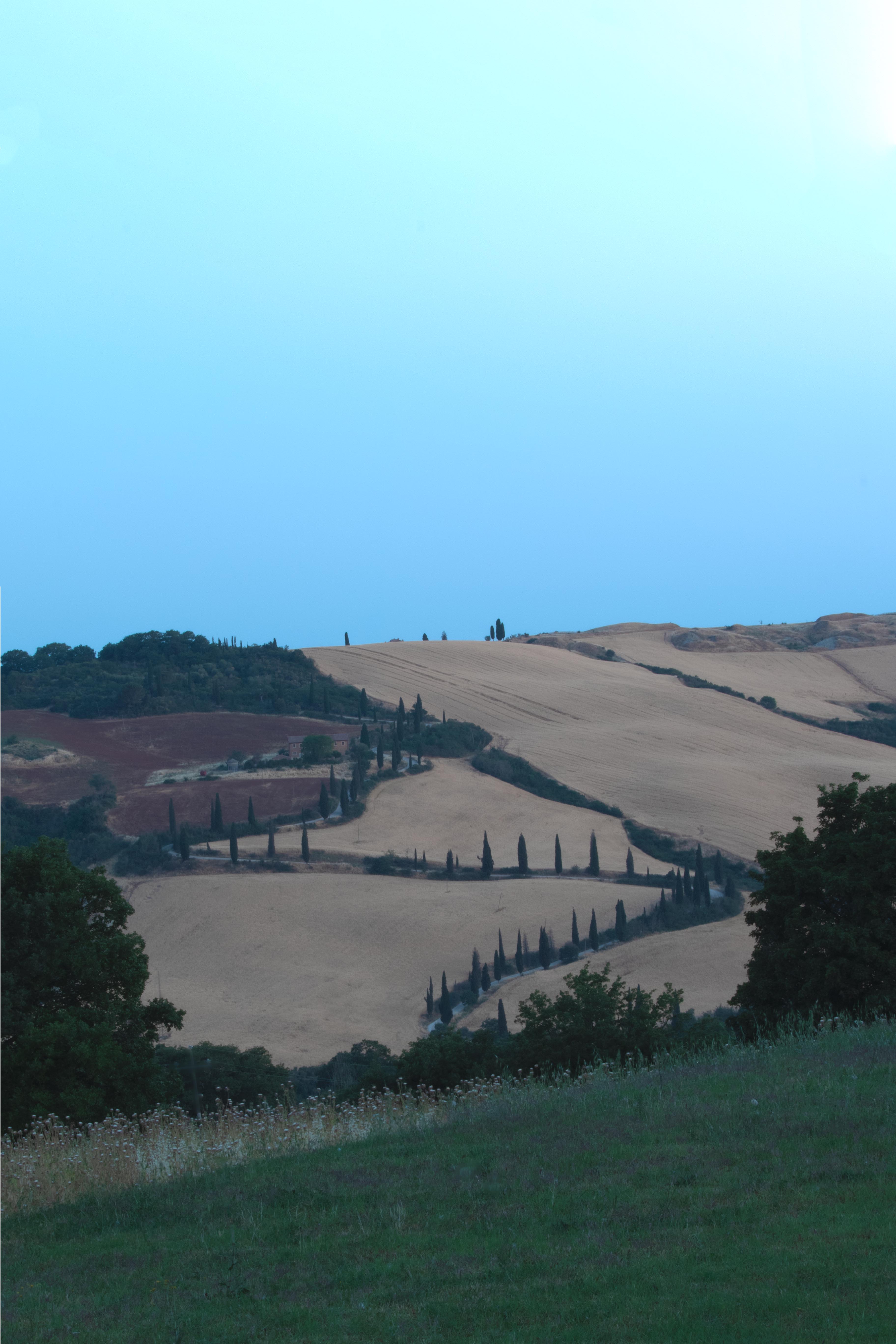
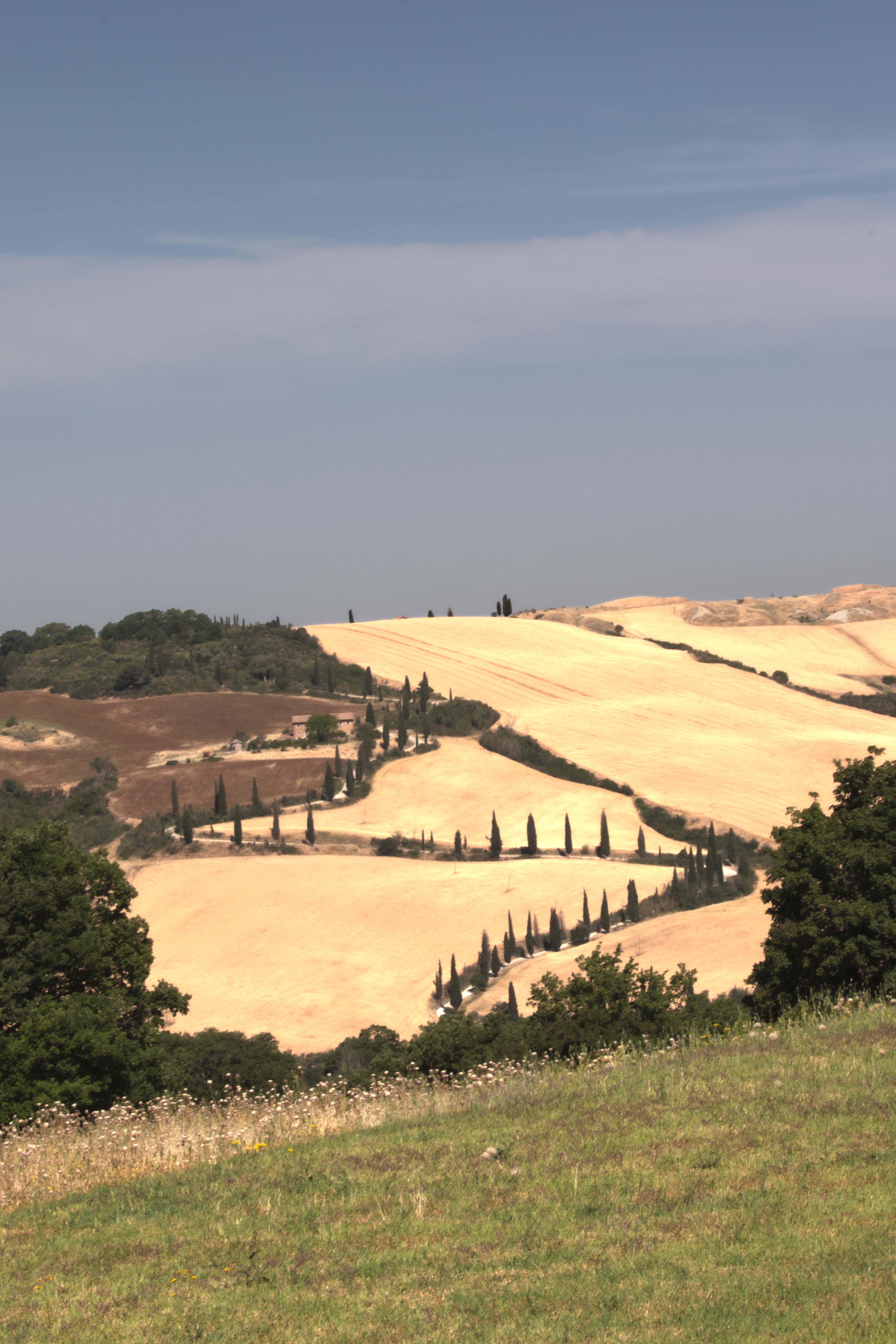
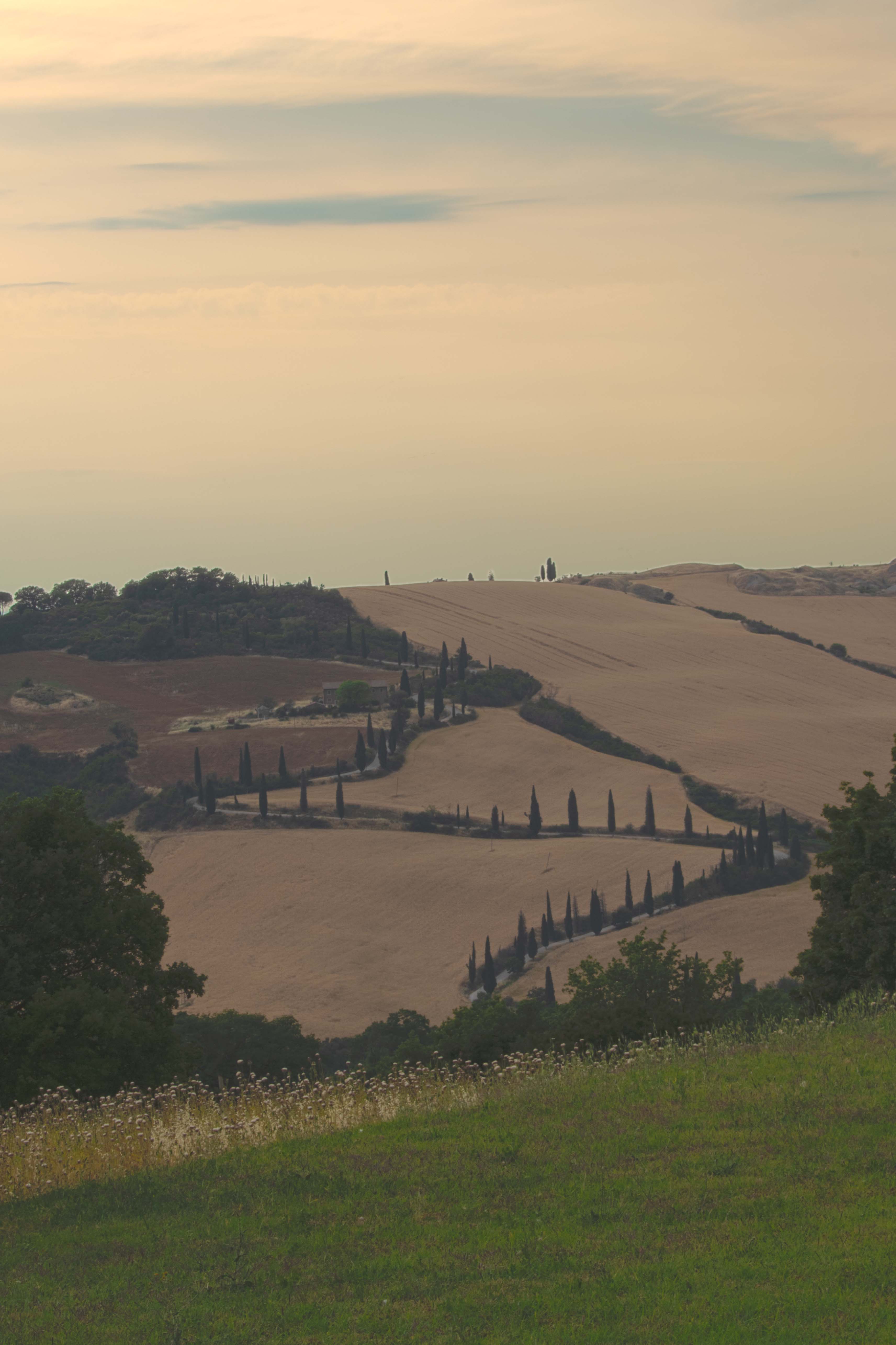
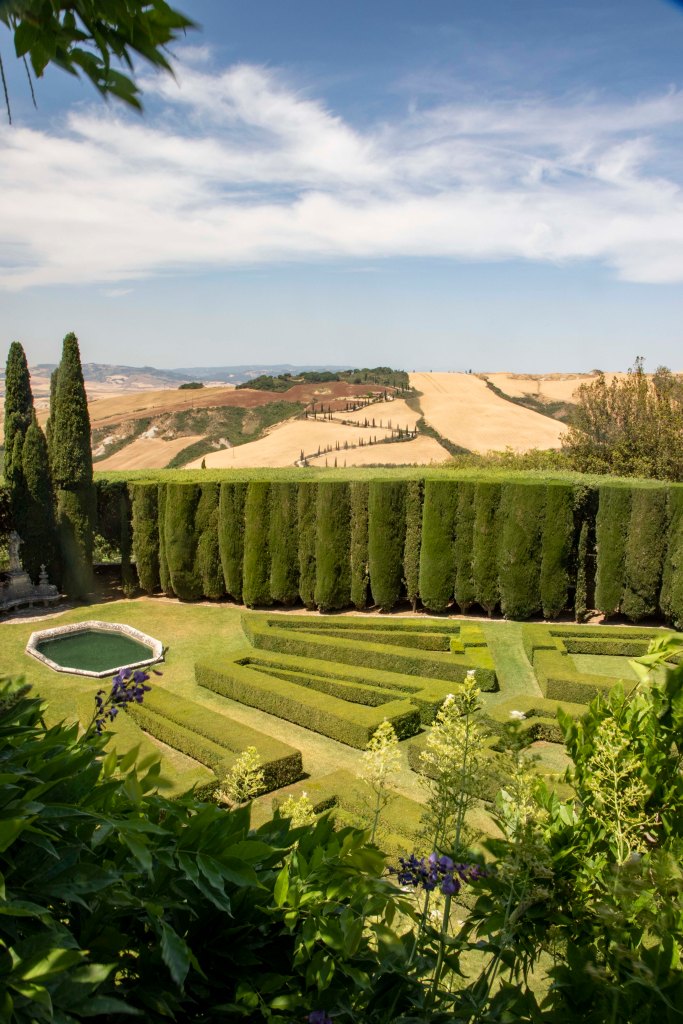
The Cypress Tree is a common feature of the Tuscan landscape.  These very tall evergreen trees produce leaves that are dark green in color, and maintain this color throughout the year.  They are also a symbol of the Italian landscape. A typical element of a Renaissance painting is a landscape in the background; if you look closely, you’ll notice that the landscapes look remarkable like today’s Tuscan landscape including the ubiquitous cypress trees.  Today you will find many photographs taken of the landscape, including a few of the S-shaped streets lined with cypress trees. One of the best examples is on the La Foce estate and was part of the landscape directly outside of our room! I took pictures several times throughout the day to see how the light impacted the scene. The yellowish color is from the spring wheat that was ready for harvest. I’d like to return when the wheat is brilliant green.

View from our Bed and Breakfast

Our garden tour was scheduled for 11:30am on Thursday and it was already very hot. Although I had seen many pictures of the gardens, I was surprised at the impact of the combination of the formal gardens with the gorgeous landscape of Val d’Orcia. It was simply spectacular!

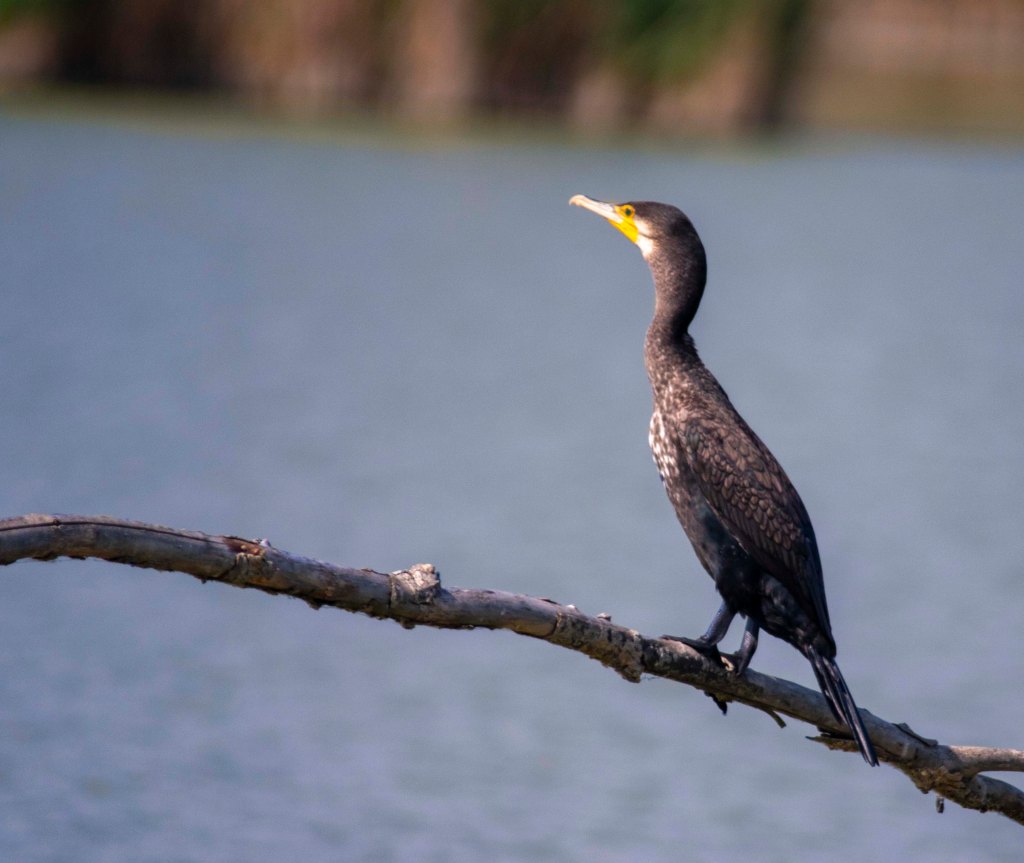
Thursday afternoon we drove 30 minutes to Lago di Montepulciano, a nearby lake with park. They even had birdwatching tours available and I had booked a tour for 4pm. Why they would have such a tour at 4pm is beyond me… To date, our birdwatching experiences in Italy have not been nearly as productive as those in America; there are simply fewer birds here. So with tempered expectations, we made the drive. We met a lovely young woman who is continuing her studies in Environmental Science and she took us on a personal tour of the lake, including quite a large hide. Cost of the tour was €5 each! And here are my best pictures:

Last stop: Chiusi, Tuscan town with rich Etruscan history

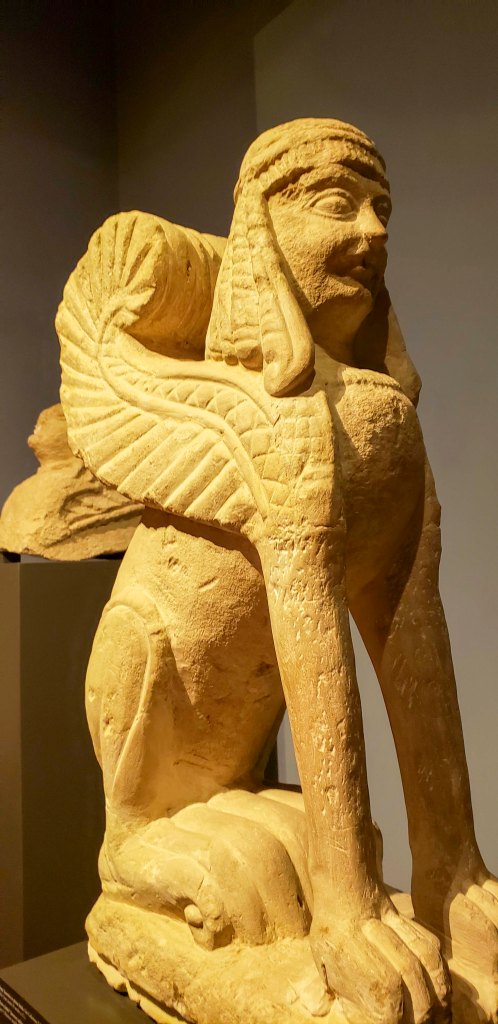
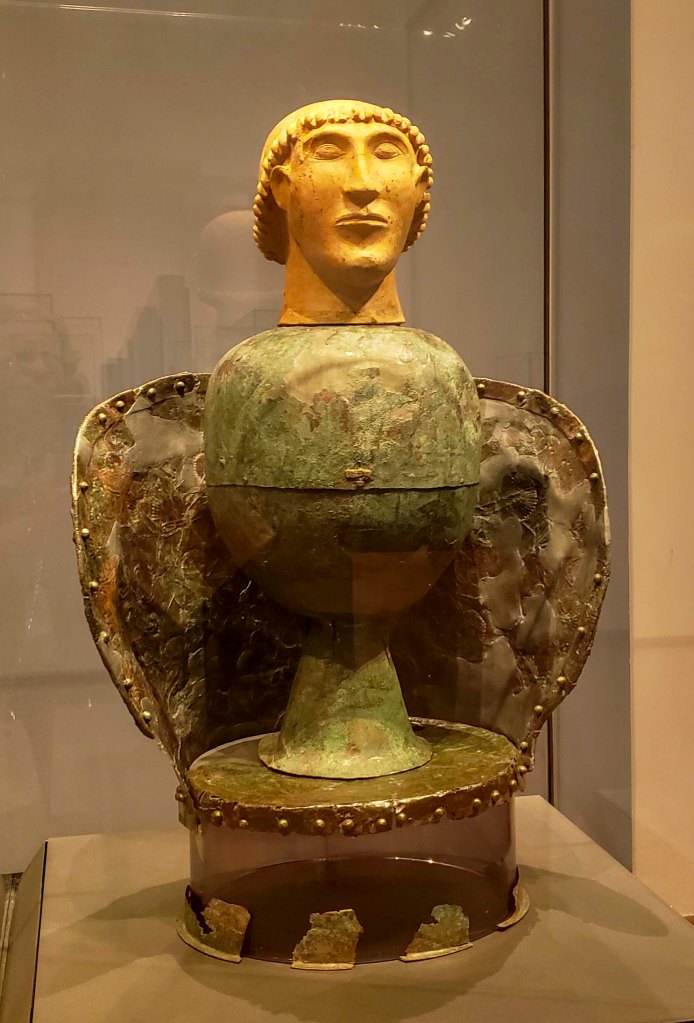
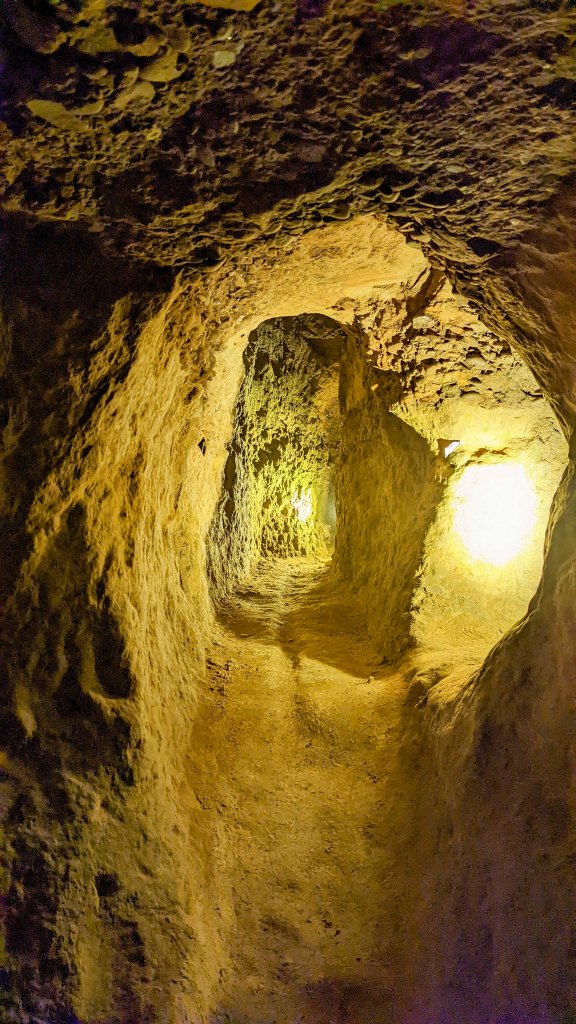
Before the Roman times, the Etruscan people lived in Italy (Tuscany and a bit beyond) from roughly 750BC to 90BC. The Etruscans were an advanced civilization with rich mineral resources and as a major Mediterranean trading power. Archaeologists have discovered a lot of artifacts from the civilization, mostly where they buried their dead. Jim and I started getting interested in learning more about the civilization and can’t resist visiting archaeological sites and museums. While in Chiusi, Jim went on a tour of some tunnels underneath the Cathedral. The Etruscans had created this series of tunnels to collect rainwater, which, filtering through the layered sandstones and sediments of the hillside was channeled into wells and then drawn for domestic use. The Romans also used the tunnels, but skipped the filtering aspect, so many people got sick. [I skipped this activity because it involved lots of steps and I’m still very slow on steps.]

After Chiusi, we headed home to Lucca. It was a great birthday adventure! Thanks for reading this lengthy post, and I hope that you enjoyed learning about some of the smaller, less touristy locations of Italy.